
- Tweets 10,692
- Following 396
- Followers 8,737
- Likes 1,245













Janis Oslejs retweeted

Bezdeficita budžets ir nepieciešams un ekonomiski iespējams .Diemžēl politiski nav iespējams .

Valdība kļūdās, domājot, ka nevar atļauties mazāku budžeta deficītu, jo jāpalielina aizsardzība, bet citur nav iespējams nogriezt,neradot funkciju izpildes vai ekon krīzi. Iestāžu vadītāji jau zina kur griezt,bet atlaistie atradīs darbu. nra.lv/latvija/503895-janis-…
3
7
22
2,918
Janis Oslejs retweeted

Tas attiecas ne tikai uz darbavietām, bet arī uz pārējiem izdevumiem. Samazināt kopējos izdevumus par 5% var praktiski jebkurā uzņēmumā / iestādē / valstī, ar minimālu ietekmi uz darbību. Pēdējos gados valsts budžeta izdevumi ir uzpampuši tik strauji, ka 5% būtu pat pieticīgi.
Valdība kļūdās, domājot, ka nevar atļauties mazāku budžeta deficītu, jo jāpalielina aizsardzība, bet citur nav iespējams nogriezt,neradot funkciju izpildes vai ekon krīzi. Iestāžu vadītāji jau zina kur griezt,bet atlaistie atradīs darbu. nra.lv/latvija/503895-janis-…
9
23
125
15,530

Valdība kļūdās, domājot, ka nevar atļauties mazāku budžeta deficītu, jo jāpalielina aizsardzība, bet citur nav iespējams nogriezt,neradot funkciju izpildes vai ekon krīzi. Iestāžu vadītāji jau zina kur griezt,bet atlaistie atradīs darbu. nra.lv/latvija/503895-janis-…
5
3
37
15,107
Valdība aicina soc partneriem priekšlikumus izdevumu mazināšanai un tad sūdzas, ka tie neder. Tā rodas purvs, kurā neko nevar samazināt un tik jāpalielina parādi. Bet protams,ka iestāžu vadītāji jau zina ko var samazināt, plus ir Valsts kontroles ziņojumi! Vnk jānosaka mērķi

"Valsts pārvalde jau zina, ko vajag samazināt"
TV24 raidījumā #NaudasCena komentē Jānis Ošlejs (@Oslejs ), ekonomists, SIA Primekss valdes priekšsēdētājs.
👀 Skaties raidījuma ierakstu: play24.la.lv/0810_naudascena…
🫵🏻 Dalies ar publikāciju un izsaki savu viedokli komentāru sadaļā!
Projektu “Naudas cena” finansē Mediju atbalsta fonds no Latvijas valsts budžeta līdzekļiem. Par raidījuma "Naudas cena" saturu atbild AS “TV Latvija”.
#SIF_MAF2025 #latvija #politika
2
3
10
1,968
Tele2 datu vadītājas vad analīze, kāpēc ES dažu kļūdaini stumtā Chat control direktīva ir pilnībā nepieņemama iejaukšanās privātajā dzīvē, kas vēlāk nezibēgami tiks izmantota pret politiski nepareizi domājošajiem. Latvijas valdībai ir jābūt cieti pret! delfi.lv/898102/versijas/120…
2
6
735
Janis Oslejs retweeted

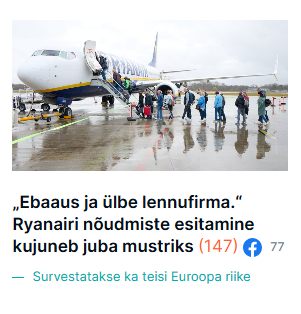
Ryanair finished its Baltic tour with press conferences in Tallinn and Vilnius yesterday and Riga today.
The message is the same everywhere: airport taxes are too high, we are perfect, and we cannot grow. Based on my observations, most airports in the Baltics haven't changed their charges in a few years.
Actually, all three conferences had zero new information; you can see from my tweets history that I posted all these changes in their network months before.


8
11
158
20,295
Janis Oslejs retweeted

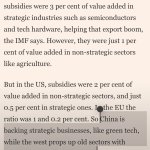
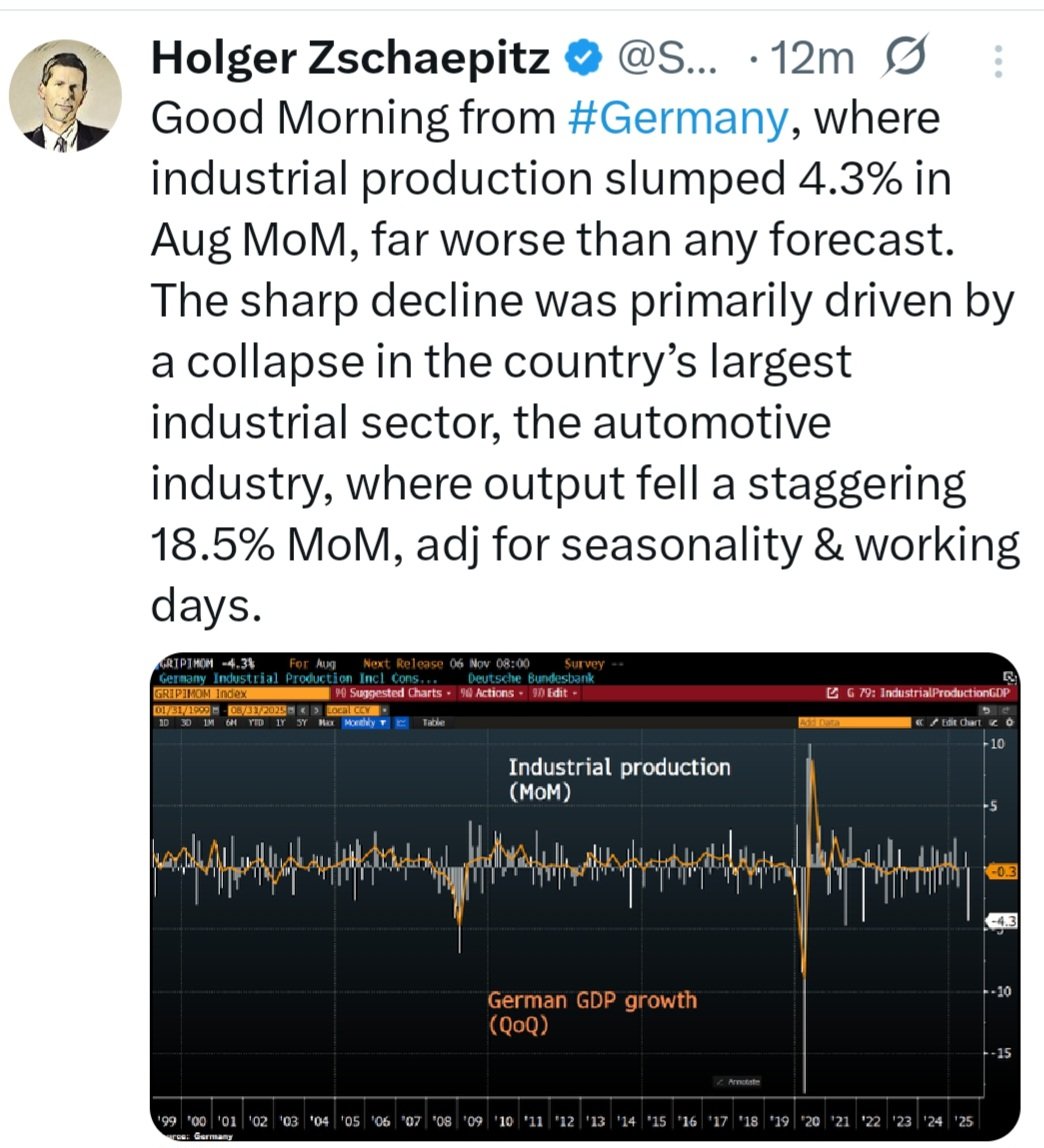
Eiropas problēma ir pieķeršanās "pircēja atbalsta" modelim, cerot, ka visu sakārtos "tirgus".
Ja ķīnieši /un arī amerikāņi, tik klusāk/ vienmēr ir masīvi subsidējuši savu ražotāju, tad ar šādu pieeju Eiropa stiprina konkurentus un nobeidz savus ražotājus. Kas arī redzams.

Turpinot vakardienas tēmu - izmisīga pieķeršanās novecojušām tehnoloģijām nekad vēl nevienu problēmu nav atrisinājusi
6
8
40
6,494
Janis Oslejs retweeted

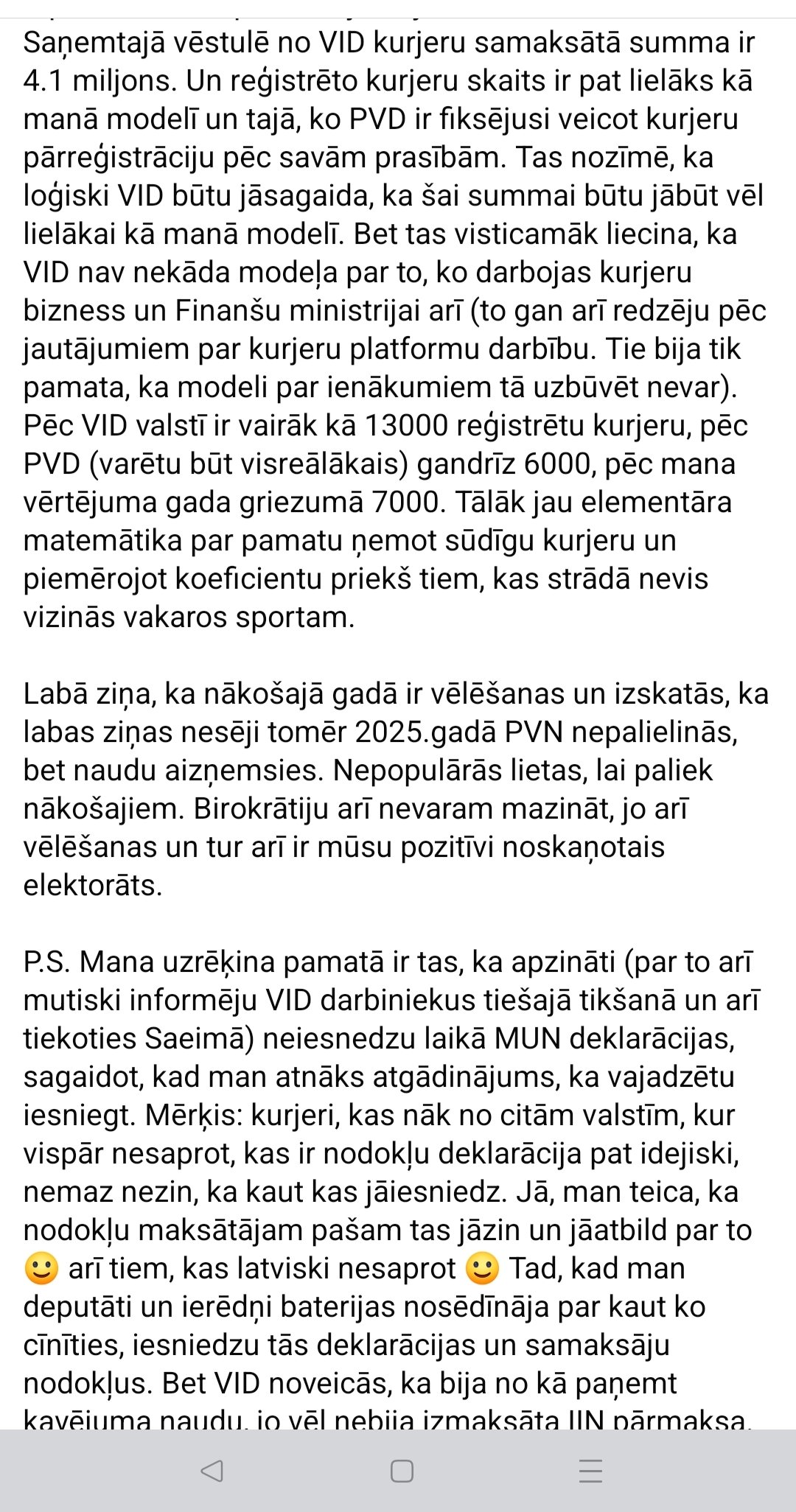
Jāliek platformām ieturēt nodokli, līdzīgi kā par darbiniekiem to jādara darba devējam.
2
6
632
Janis Oslejs retweeted
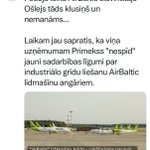
Izskatās, ka kurjeriem vai par kurjeriem maksāt nodokļus nav obligāta lieta.


8
30
90
7,506
Janis Oslejs retweeted

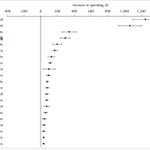
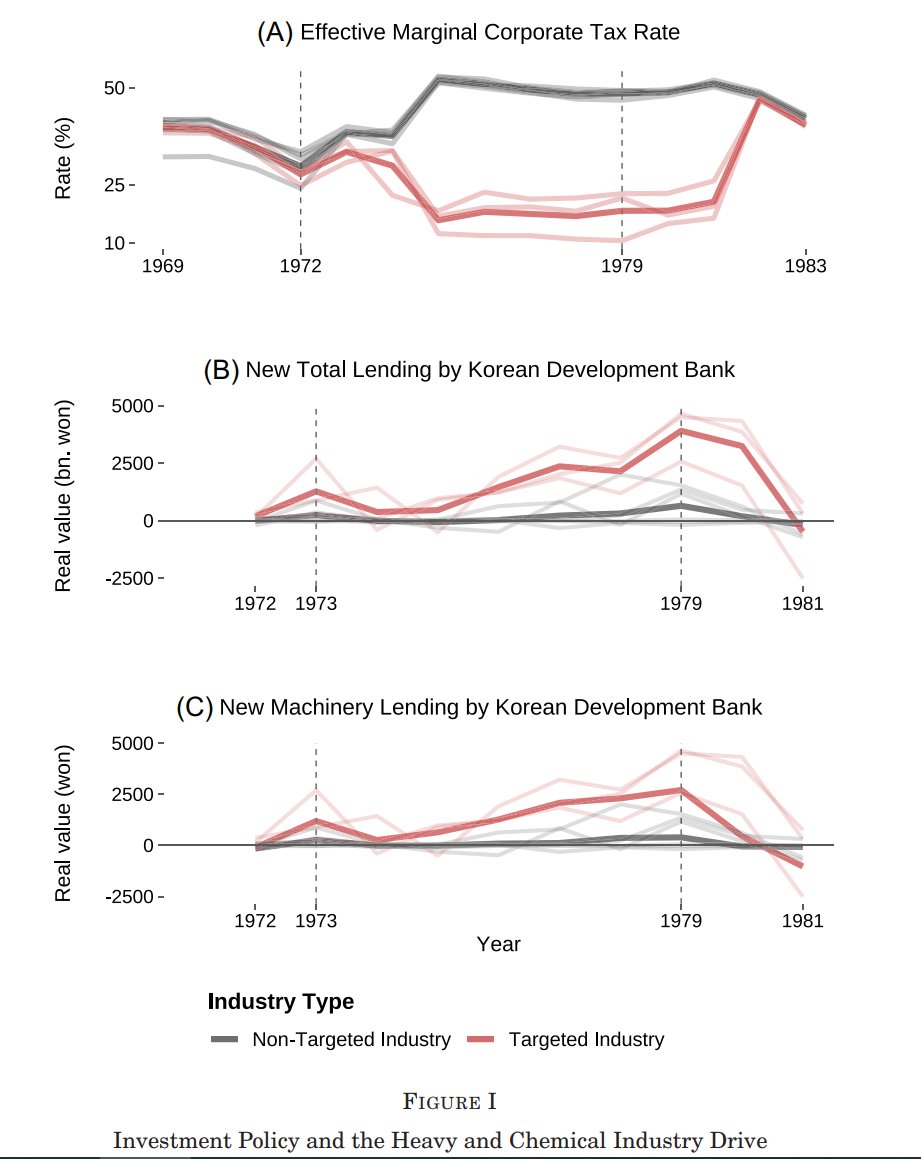
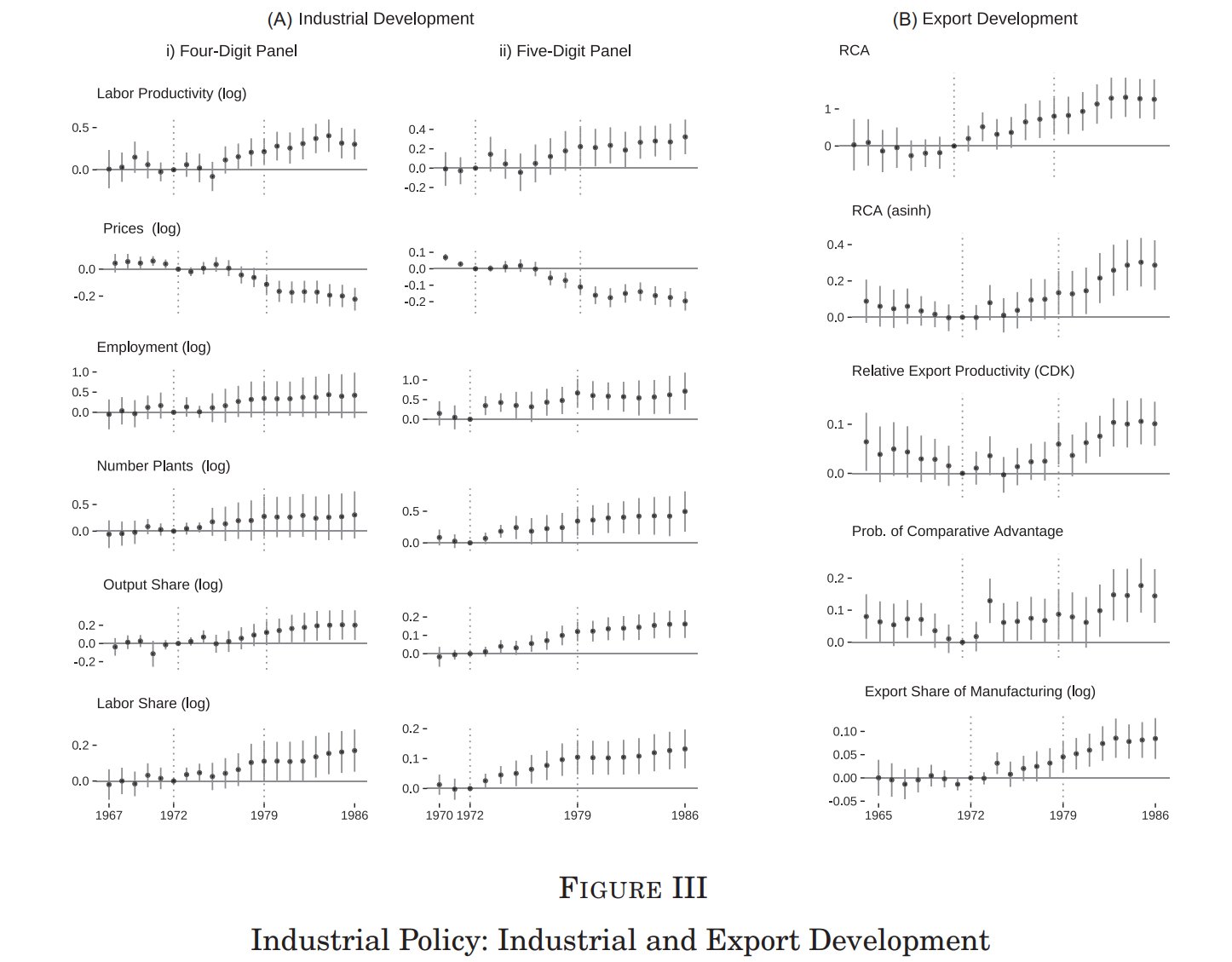
Industrial policy and its outcomes by @straightedge
Following the 1972 reforms, the Korean government implemented a set of coordinated fiscal, financial, and credit policies aimed at accelerating structural transformation and building global competitiveness in targeted industries such as steel, machinery, shipbuilding, and chemicals.
The overarching purpose of this analysis is to show how selective industrial policies—including preferential credit allocation, tax incentives, and directed investment—
* shifted the structure of production,
* enhanced export performance,
* and generated spillover effects across the broader economy.
Key Insights:
(A) Effective Marginal Corporate Tax Rate: Targeted industries (red) enjoyed significantly lower tax rates after 1972, reflecting deliberate fiscal incentives.
(B) Total Lending by the Korean Development Bank: Sharp rise in loans to targeted sectors post-1973 — peak around 1979 confirms strong state backing.
(C) Machinery Lending: Increase concentrated in targeted industries, showing policy-driven industrial upgrading.
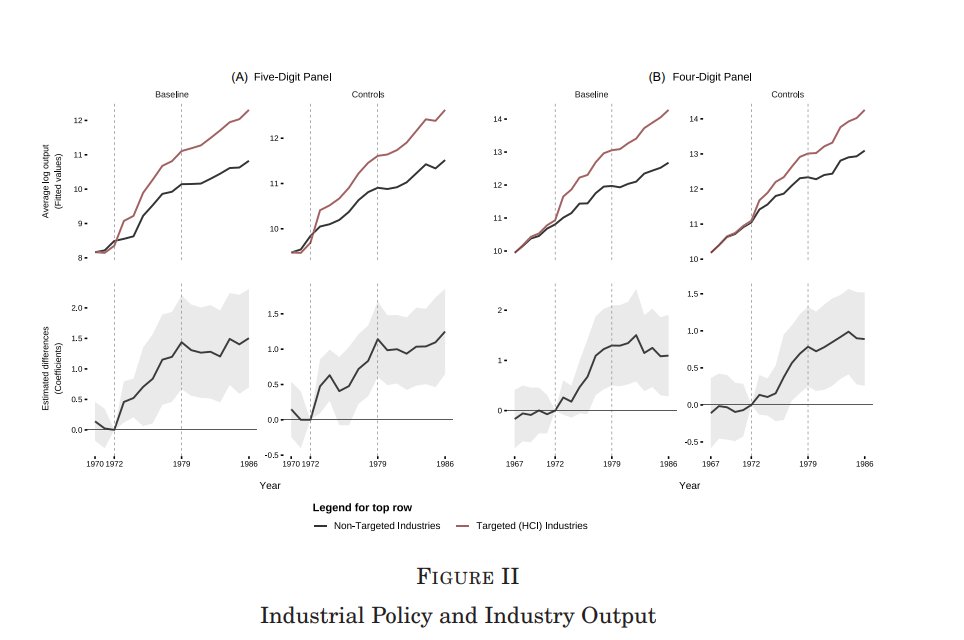
* Targeted sectors consistently outperformed others in output across both five-digit and four-digit classifications.
* Post-1972 divergence widens steadily — indicating that state targeting directly boosted output.
* Lower panels show estimated differences: policy shocks had sustained, statistically significant effects.
A) Industrial Development:
Productivity, employment, and output share improved moderately in targeted sectors.
Labor share remained stable — suggesting gains were driven more by capital intensity than labor expansion.
(B) Export Development:
Marked increase in RCA (Revealed Comparative Advantage) and export productivity after 1972.
The probability of developing export advantages rose sharply by the early 1980s.
Manufacturing’s export share expanded persistently, confirming long-term trade benefits.
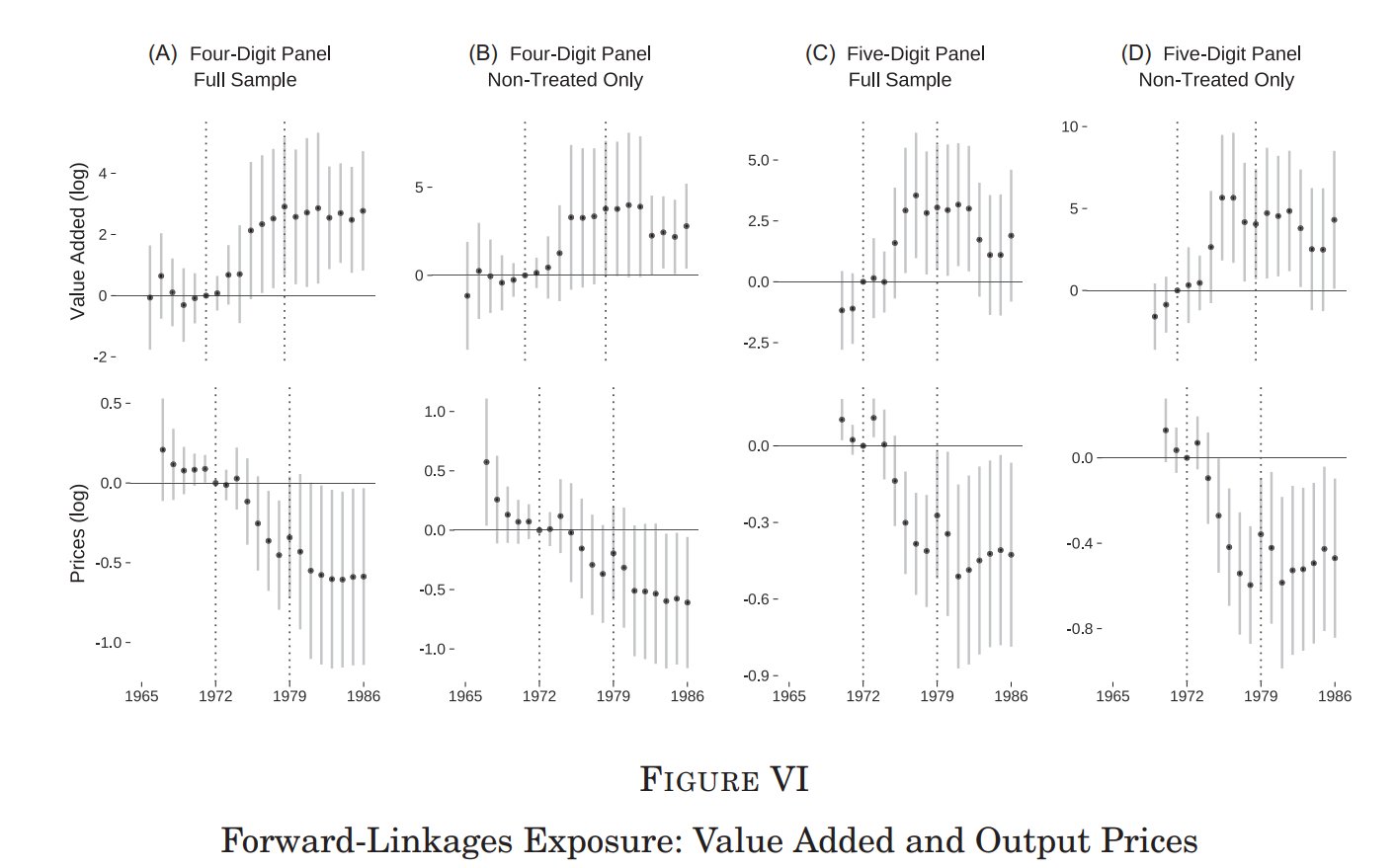
* Value Added: Both treated and indirectly connected industries experienced substantial post-1972 gains — indicating positive forward linkages.
* Prices: Output prices declined, reflecting productivity improvements and potential efficiency spillovers.
* The pattern persisted even when excluding directly treated industries (Panels B & D), confirming economy-wide effects.
Conclutions
Korea’s 1970s Heavy and Chemical Industry (HCI) policy produced broad industrial deepening — targeted sectors expanded output and exports, while non-targeted sectors benefited through linkage effects and productivity gains. This strategic industrial intervention demonstrates how coordinated fiscal, credit, and trade policies can accelerate structural transformation.
Nathan Lane, Manufacturing Revolutions: Industrial Policy and Industrialization in South Korea, The Quarterly Journal of Economics, Volume 140, Issue 3, August 2025, Pages 1683–1741
2
2
1,094
Guntars Vītols precīzi pateicis, piekrītu

Masveida imigrācija valstij kopumā nekādu ekonomisku pienesumu mūsdienās nedod, perspektīvu nerada. Attīstību nesola. Izstāstīšu, kas paver perspektīvu, kā uz to būtu jāskatās.
Atgādināšu galvenās tēzes, kuras nebeidz virpuļot soctīklos un politiskajā telpā par imigrāciju. Tādas ir divas.
Pirmā ir komunistiskā tēma. Progresīvie vēlas tautu sajaukšanos, veidot klasisko internacionāli, laimīgus cilvēkus, kuri ar apgarotām acīm raugās sarkanajos padebešos. Realitātē tas izpaužas kā neliels būsts demogrāfijai uz izvarošanas statistikas pieaguma fona un tad vēl kultūras bagātināšana dažādās brektiskās formās. Par gaumi nestrīdas - komuņakām, piemēram, patīk.
Nu un tad otrs redzējums ir no uzņēmēju puses. Nav, kas strādā! Taisnība ir, ja strādājam kā ierasts, un atsevišķās nozarēs vismaz pagaidām pāriet uz ko citu ir praktiski neiespējami, strādāt maz kurš vairs vēlas, tāds arguments nav bez pamata.
Bet. No valsts un politikas viedokļa meklēt ekonomikas attīstības risinājumu darbaspēka ievešanā ir bezjēdzīgi. Neproduktīvi. Kāpēc? Tāpēc, ka tādas jēdzīgas darbaspēka rezerves Eiropas Savienībā vienkārši nav. Ir cilvēki, iebrauc visādi kultūras enričeri, bet tā nav rezerve darbaspēka kontekstā. Ja nav, tad nav, nomierinamies.
Un tas pat nav galvenais. Valsts mērogā mūsdienās nav tik svarīgi, cik daudz tev to strādnieku, cik liels tas ganāmpulks, bet kādu pievienoto vērtību katrs var vidēji radīt. Un mākslīgais intelekts rada iespēju šo produktivitāti jau tagad būtiski (eksponenciāli) palielināt. Piemēram, jau tagad iespējams atlaist lielāko daļu ierēdņu un viņu vietā darbināt datoru. Un atbrīvojas daudz darbaroku, kuri var palīdzēt tur, kur pagaidām nepieciešams roku darbs.
Var skatīties vēl plašāk. Nākotnē ticami vinnēs tās valstis, kurās uz vienu cilvēku būs visvairāk ‘datorjaudu’. Tas līdzīgi kā rūpniecībā, kur augstāka robotizācijas pakāpe nozīmē lētāku produktu un augstākas algas robotu ‘pieskatītājiem’. Ekonomikas flagmaņi ir tās valstis, kur robotu skaits rūpnīcās uz vienu cilvēku ir vislielākais. Un tieši tāpat ‘papīru darbos’ strādājošiem produktivitāti nosaka ‘datorjaudu’ lielums uz vienu strādājāšo. Jau tagad var aizvietot ar datoru lielāko daļu kouču, grāmatvežu, juristu, konsultantu, nemaz nerunājot par otrā līmeņa ofisa plantonu un instagrama meitenēm. Tie amati saglabājas vairāk iesakņojošos tradīciju dēļ, nu tur visādi ‘referenti’, kaut gan tādus vairs jau šodien objektīvi nevajag.
Lai tas viss būtu, viens no priekšnosacījumiem ir daudz un lēta enerģija. Šobrīd datu centri pamazām paliek par lielāko enerģijas tērētāju pasaulē. Mākslīgais intelekts patērē monstrozi daudz enerģijas, apetīte tikai aug. Tās valstis, kuras spēs nodrošināt ‘mākslīgās smadzenes’ ar lētāko enerģiju, pārtikas ekvivalentu cilvēkiem, vai robotu ekvivalentu fabrikās, tās arī attīstīsies straujāk. Un aizmirsīs par ‘darbaspēka trūkumu’ dzīvu cilvēku kontekstā. Cilvēka nepieciešamība daudzās darbavietās pamazām izzūd.
Enerģētika vienmēr bijusi ekonomikas pamatā. Gan tad, kad tev bija jāatver un jākonkurē ar jaunu WC papīra vai datoru rūpnīcu, gan tagad, kad par pievienotās vērtības radītāju iezīmējas mākslīgais prāts. Ja turpināsim bakstīties šajā jomā, tad nekur tālu neaizbakstīsimies.
1
8
2,092
Janis Oslejs retweeted

Masveida imigrācija valstij kopumā nekādu ekonomisku pienesumu mūsdienās nedod, perspektīvu nerada. Attīstību nesola. Izstāstīšu, kas paver perspektīvu, kā uz to būtu jāskatās.
Atgādināšu galvenās tēzes, kuras nebeidz virpuļot soctīklos un politiskajā telpā par imigrāciju. Tādas ir divas.
Pirmā ir komunistiskā tēma. Progresīvie vēlas tautu sajaukšanos, veidot klasisko internacionāli, laimīgus cilvēkus, kuri ar apgarotām acīm raugās sarkanajos padebešos. Realitātē tas izpaužas kā neliels būsts demogrāfijai uz izvarošanas statistikas pieaguma fona un tad vēl kultūras bagātināšana dažādās brektiskās formās. Par gaumi nestrīdas - komuņakām, piemēram, patīk.
Nu un tad otrs redzējums ir no uzņēmēju puses. Nav, kas strādā! Taisnība ir, ja strādājam kā ierasts, un atsevišķās nozarēs vismaz pagaidām pāriet uz ko citu ir praktiski neiespējami, strādāt maz kurš vairs vēlas, tāds arguments nav bez pamata.
Bet. No valsts un politikas viedokļa meklēt ekonomikas attīstības risinājumu darbaspēka ievešanā ir bezjēdzīgi. Neproduktīvi. Kāpēc? Tāpēc, ka tādas jēdzīgas darbaspēka rezerves Eiropas Savienībā vienkārši nav. Ir cilvēki, iebrauc visādi kultūras enričeri, bet tā nav rezerve darbaspēka kontekstā. Ja nav, tad nav, nomierinamies.
Un tas pat nav galvenais. Valsts mērogā mūsdienās nav tik svarīgi, cik daudz tev to strādnieku, cik liels tas ganāmpulks, bet kādu pievienoto vērtību katrs var vidēji radīt. Un mākslīgais intelekts rada iespēju šo produktivitāti jau tagad būtiski (eksponenciāli) palielināt. Piemēram, jau tagad iespējams atlaist lielāko daļu ierēdņu un viņu vietā darbināt datoru. Un atbrīvojas daudz darbaroku, kuri var palīdzēt tur, kur pagaidām nepieciešams roku darbs.
Var skatīties vēl plašāk. Nākotnē ticami vinnēs tās valstis, kurās uz vienu cilvēku būs visvairāk ‘datorjaudu’. Tas līdzīgi kā rūpniecībā, kur augstāka robotizācijas pakāpe nozīmē lētāku produktu un augstākas algas robotu ‘pieskatītājiem’. Ekonomikas flagmaņi ir tās valstis, kur robotu skaits rūpnīcās uz vienu cilvēku ir vislielākais. Un tieši tāpat ‘papīru darbos’ strādājošiem produktivitāti nosaka ‘datorjaudu’ lielums uz vienu strādājāšo. Jau tagad var aizvietot ar datoru lielāko daļu kouču, grāmatvežu, juristu, konsultantu, nemaz nerunājot par otrā līmeņa ofisa plantonu un instagrama meitenēm. Tie amati saglabājas vairāk iesakņojošos tradīciju dēļ, nu tur visādi ‘referenti’, kaut gan tādus vairs jau šodien objektīvi nevajag.
Lai tas viss būtu, viens no priekšnosacījumiem ir daudz un lēta enerģija. Šobrīd datu centri pamazām paliek par lielāko enerģijas tērētāju pasaulē. Mākslīgais intelekts patērē monstrozi daudz enerģijas, apetīte tikai aug. Tās valstis, kuras spēs nodrošināt ‘mākslīgās smadzenes’ ar lētāko enerģiju, pārtikas ekvivalentu cilvēkiem, vai robotu ekvivalentu fabrikās, tās arī attīstīsies straujāk. Un aizmirsīs par ‘darbaspēka trūkumu’ dzīvu cilvēku kontekstā. Cilvēka nepieciešamība daudzās darbavietās pamazām izzūd.
Enerģētika vienmēr bijusi ekonomikas pamatā. Gan tad, kad tev bija jāatver un jākonkurē ar jaunu WC papīra vai datoru rūpnīcu, gan tagad, kad par pievienotās vērtības radītāju iezīmējas mākslīgais prāts. Ja turpināsim bakstīties šajā jomā, tad nekur tālu neaizbakstīsimies.

The Moneyball of Immigration
Like Billy Beane discovering that on-base percentage mattered more than batting averages, we've been measuring national strength by the wrong metric. It's not about population count—it's about productive capacity per capita.
For decades, the developed world's biggest fear was the demographic time bomb—aging populations, shrinking workforces, not enough young workers to fuel growth. The solution seemed obvious: import young immigrants or face economic decline.
Then the equation changed.
When GDP Stopped Telling the Whole Story
AI didn't shift the narrative—it rewrote the math.
The old metric: GDP per capita. Count total economic activity per person, and you knew who was winning.
The new metric: compute per capita. How much intelligent processing power each person commands.
Japan's aging population should have collapsed its economy—instead, robotics made it a powerhouse. Estonia's tiny population exports digital services globally.
When workers become 3x more productive through AI, population size stops mattering. The link between population size and economic output didn't just weaken. It broke.
The New Trinity of Power
Three resources now matter above all:
Energy – Data centers consume more electricity than entire nations. Norway's hydropower, Chile's solar, Canada's nuclear—the oxygen supply for AI infrastructure.
Critical Minerals – Lithium, cobalt, rare earths. Control these atoms, and you control who gets to build the hardware.
Semiconductor Sovereignty – Taiwan manufactures over 90% of the world's most advanced chips (sub-7nm processes). A disruption there flatlines the computational capacity of entire economies.
What Actually Changed
Silicon Valley doesn't import labor—it imports minds capable of human-AI collaboration. The competition flipped from young bodies to adaptable intelligence.
Investment flows reversed. Nations stopped funding social programs for growing populations and started locking down energy contracts, lithium reserves, and semiconductor independence. Chile tightens control over lithium. France pushes nuclear expansion—not for climate optics, but for computational advantage.
Watch what's happening:
Taiwan (aging) dominates through chip monopoly
Chile (stable demographics) wins via lithium sovereignty
Norway (aging) leverages energy abundance
What My Model Projects
Running the numbers through my framework—45 national economies, energy-tech-mineral dependencies—three scenario projections:
By 2030: 85% probability that the energy-mineral-tech triad outweighs traditional demographic advantages in determining national competitiveness.
By 2035: Nations with the highest compute-per-capita will likely achieve 4-6% GDP growth regardless of demographic profiles.
By 2035: 70% probability that the most powerful economies will be those controlling energy-mineral-tech combinations, not those with youthful populations.
Breaking point for developing nations: those that fail to achieve critical mass in tech-enabled education by 2030 face a widening gap that becomes nearly impossible to close without external partnerships.
These are scenario analyses based on current trajectories—not certainties.
Bottom Line
The demographic crisis was real until technology rewrote the rules.
The new arms race isn't for young immigrants. It's for energy sovereignty, mineral access, and computational advantage.
The nations that thrive will be those that stop worrying about population pyramids and start building energy-mineral-tech triads.
The Unintended Consequence
Over the next decade, half a billion young people enter the workforce—most in developing nations without access to the compute-enabled productivity that makes workers valuable in the new economy.
The developed world solved its demographic problem. But it created a different one: How do you keep global stability when half a billion young workers can't access the productivity tools that define value in the new economy?
"Your goal shouldn't be to buy players. Your goal should be to buy wins. In order to buy wins, you need to buy runs." — Billy Beane, Moneyball
DISCLAIMER: Analysis based on proprietary geopolitical risk framework modeling energy-tech-mineral dependencies across 45 economies. Projections are scenario analyses of current trajectories, not predictions or certainties. Not investment, financial, or policy advice. Views are my own.
11
27
104
7,645
Janis Oslejs retweeted

Ja šķita, ka enerģijas tirgos nekas vairs nevar pārsteigt, šeit 🧵 par SPRK savādo un nevajadzīgo plānu mainīt atļauto peļņu enerģijas sadales un pārvades sistēmas operatoriem, kas jau tuvākajos mēnešos mūs var nozīmēt tarifu pieaugumu, īpaši industriālajiem patērētājiem. 1/14
3
54
73
Janis Oslejs retweeted
Valsts sektora nepārvaramā tieksme palielināt algas, apšaubāma metode budžetā ieskaitāmās peļņas/dividenžu palielināšanai un subsīdijas Latvenergo ir galvenie negatīvie elementi tarifa projektā. Tas nebūtu iespējams bez muļķīgu/nelietīgu regulatora un valdības lēmumu rindas 2/
1
6
25
1,878
Janis Oslejs retweeted
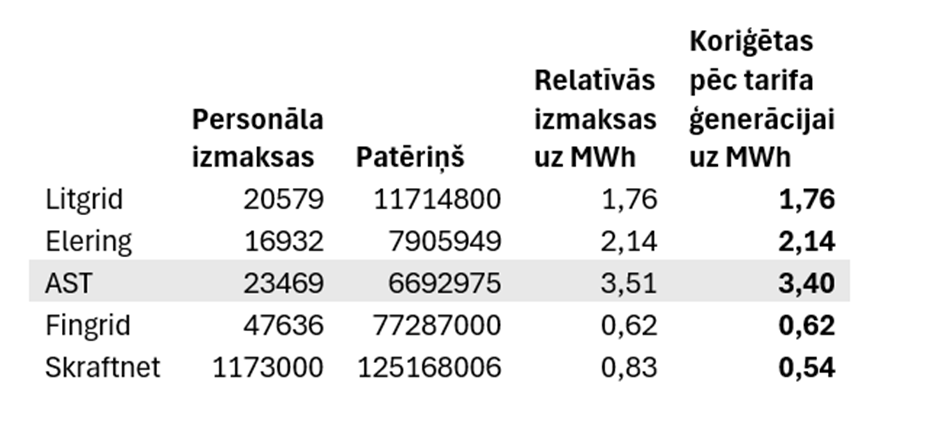
Atalgojums AST salīdzinot ar citiem reģiona operatoriem bija augstākais salīdzinot ar Baltijas, Zviedrijas un Somijas operatoriem jau 2024.gadā – 3,4EUR/MWh. Tarifu projektā tas tiek palielināts vēl par 30% – no 23,7 miljEUR līdz 30,8 miljEUR 3/
4
28
67
45,410
Janis Oslejs retweeted
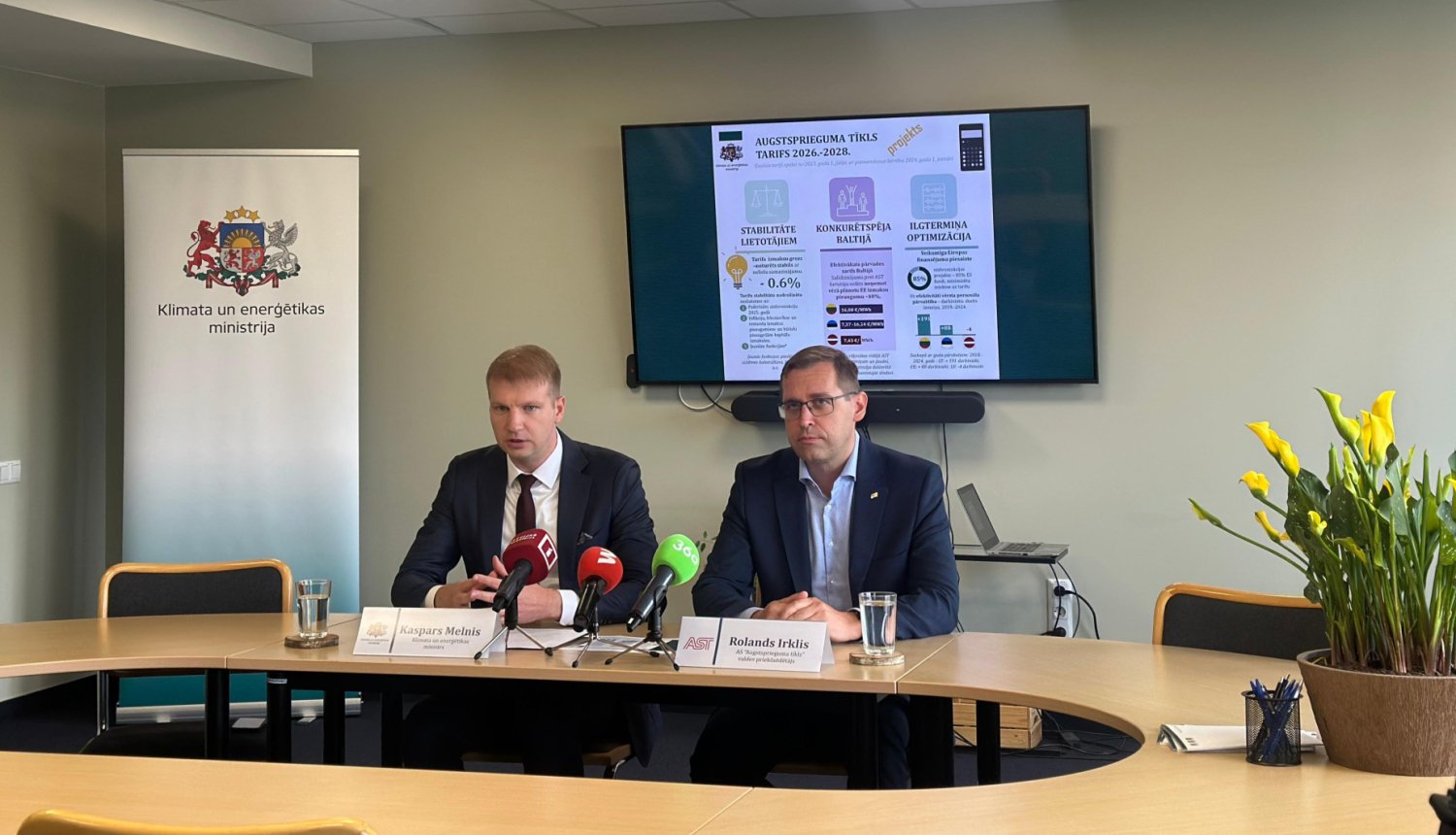
Par jauno pārvades tarifu KEM un AST mums sniedz klaji nepatiesu informāciju. Kopējās pārvades pakalpojumu izmaksas palielināsies un tās nav labas ziņas Latvijas ekonomikai, jo rūpniecības vai datu centru patērētājiem izmaksas būs augstākas nekā Igaunijā (3,5x) vai Zviedrijā 1/
5
41
97
9,926