
Elite Pro PI at @eToro | Software Engineer, Investor & Entrepreneur 🌟 My eToro Portfolio: bit.ly/48lLqd5 Not financial advice.
🇦🇷 🇲🇹
- Tweets 2,957
- Following 818
- Followers 2,558
- Likes 27,814














For the entire presentation, I was hoping Vision Pro would be cheaper #WWDC23
1
4
264
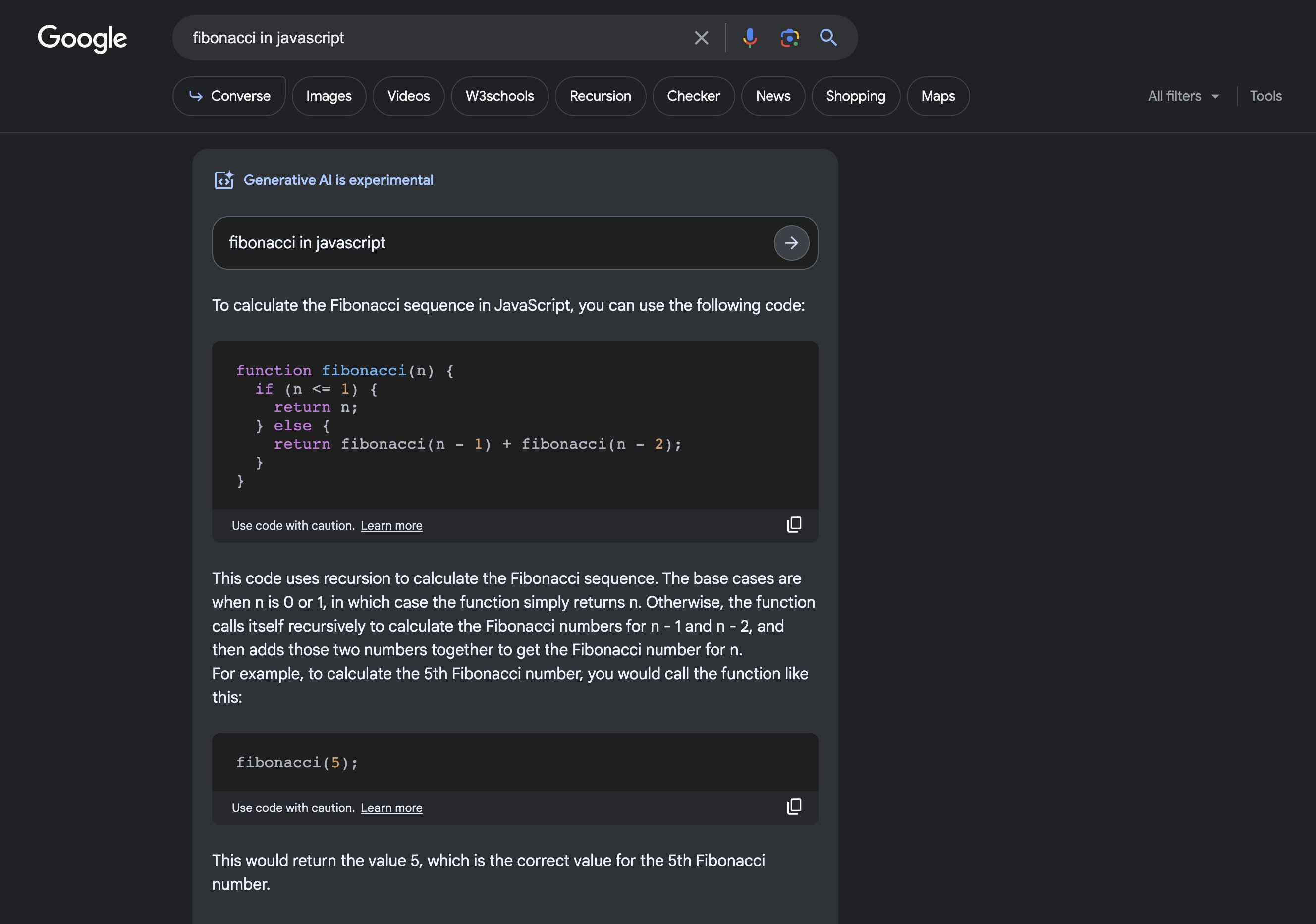
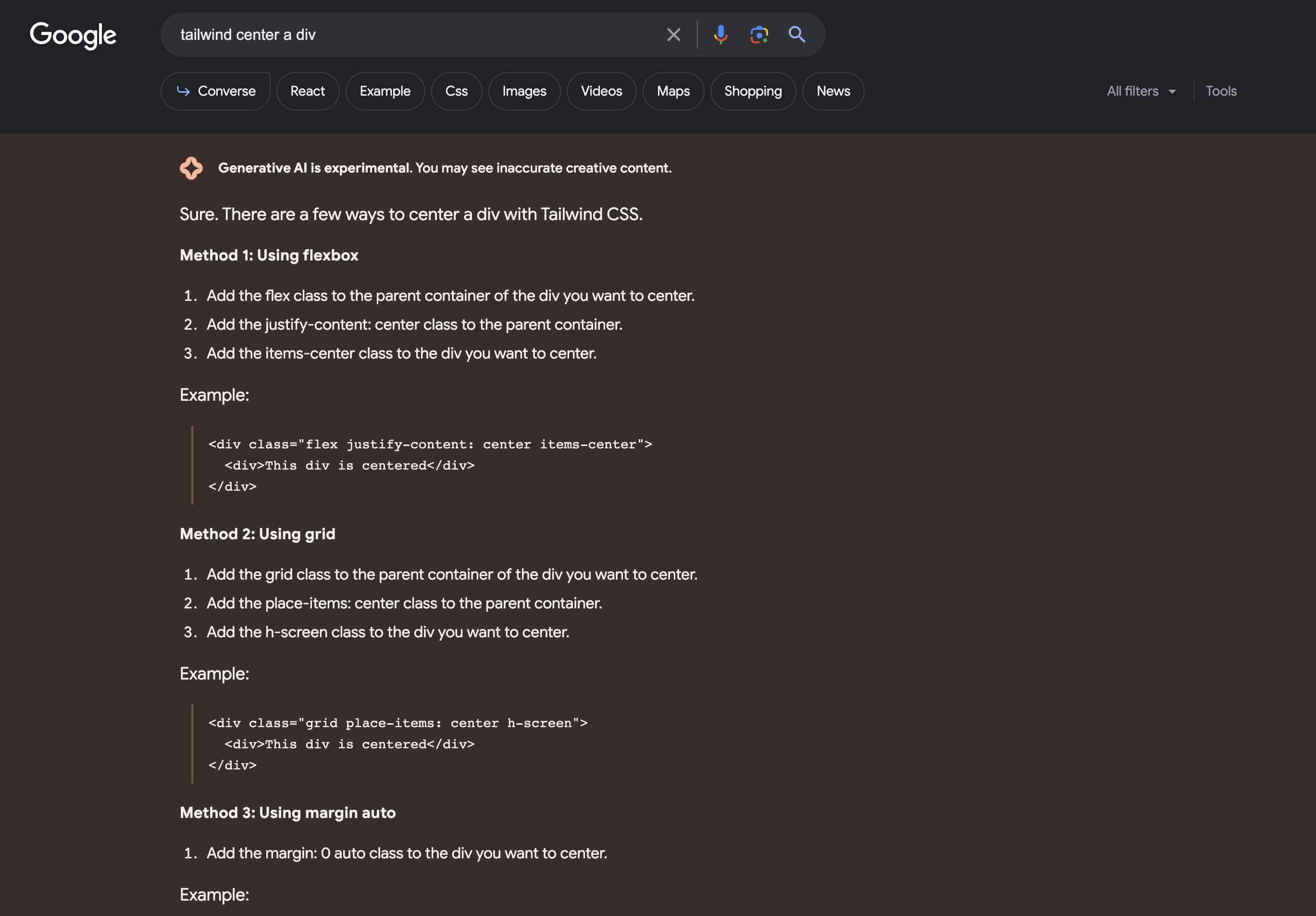
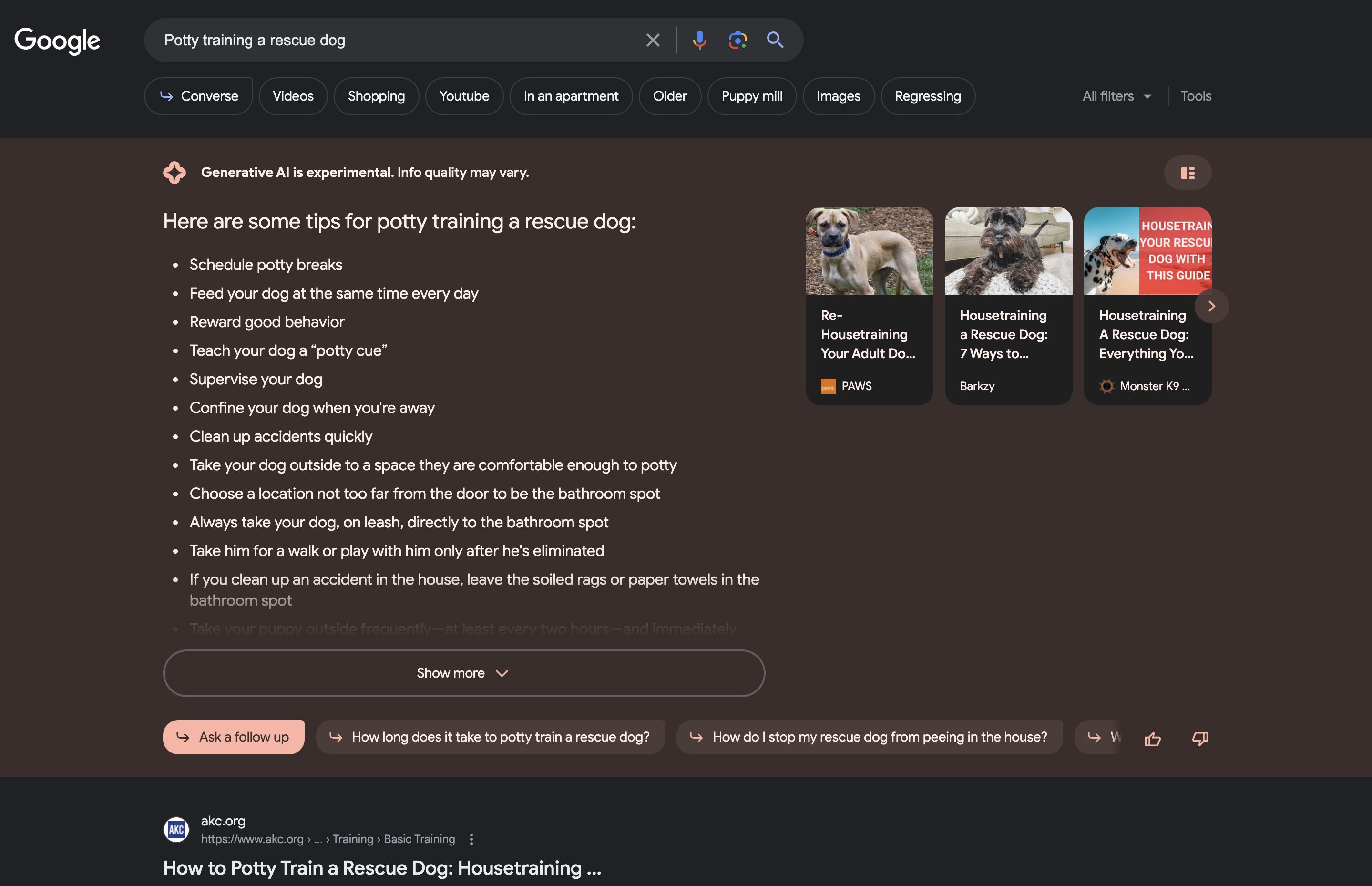
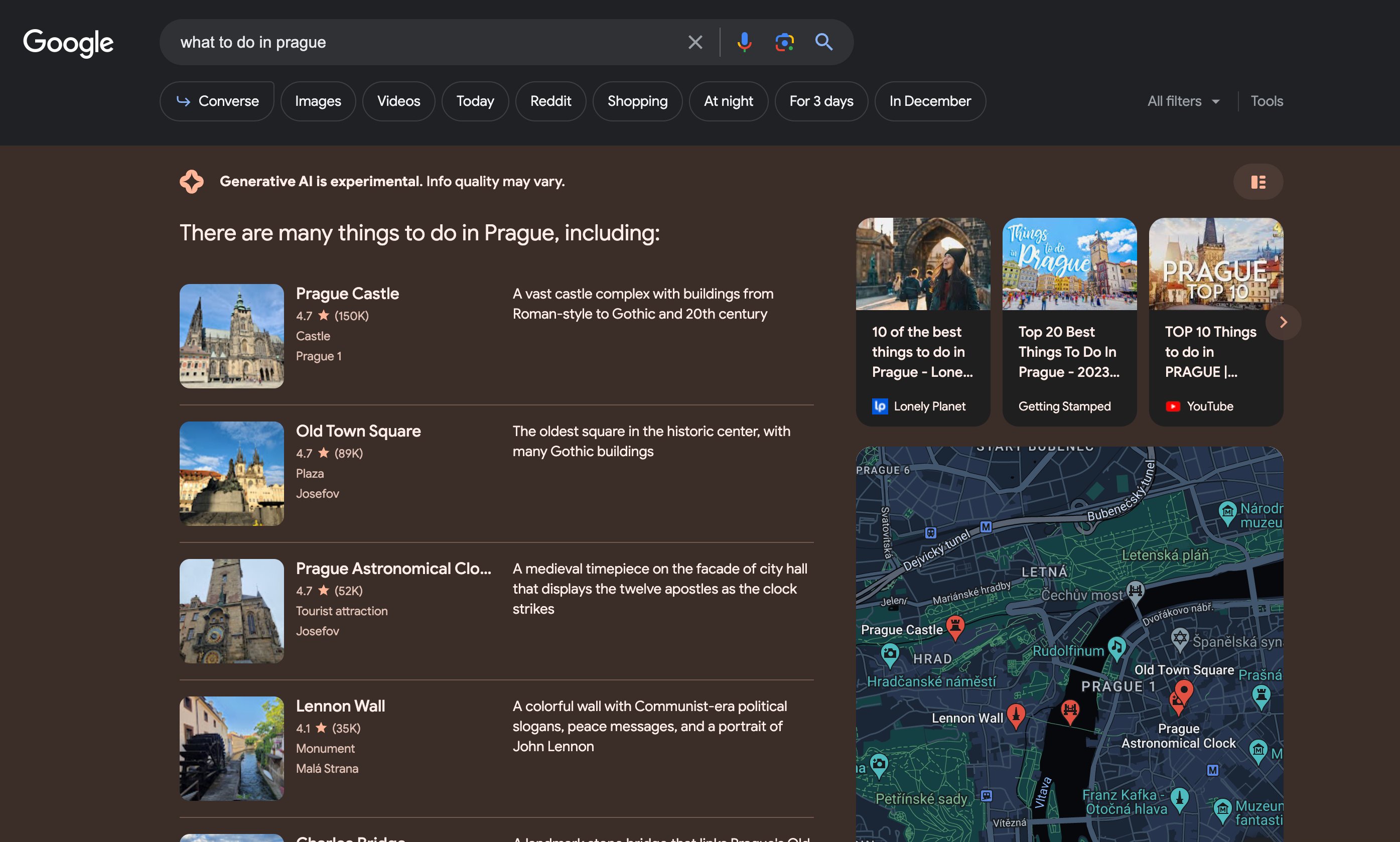
Generative AI is now integrated into Google. You can turn it on at labs.google.com
The results are amazing and are shown very fast.
1
2
201
Mariano Pardo retweeted

🎉 ChainJet is soon launching on @ProductHunt 🚀
Check out our coming soon page and get notified of our Launch:
producthunt.com/products/cha…
1
4
293
Quick security tip: If you're requested a photo of your ID or, even worse, a selfie with your ID, always add a text or watermark with the date and company asking for it. Sooner or later one of these will leak, and it's scary how much damage someone could do with it.
2
223
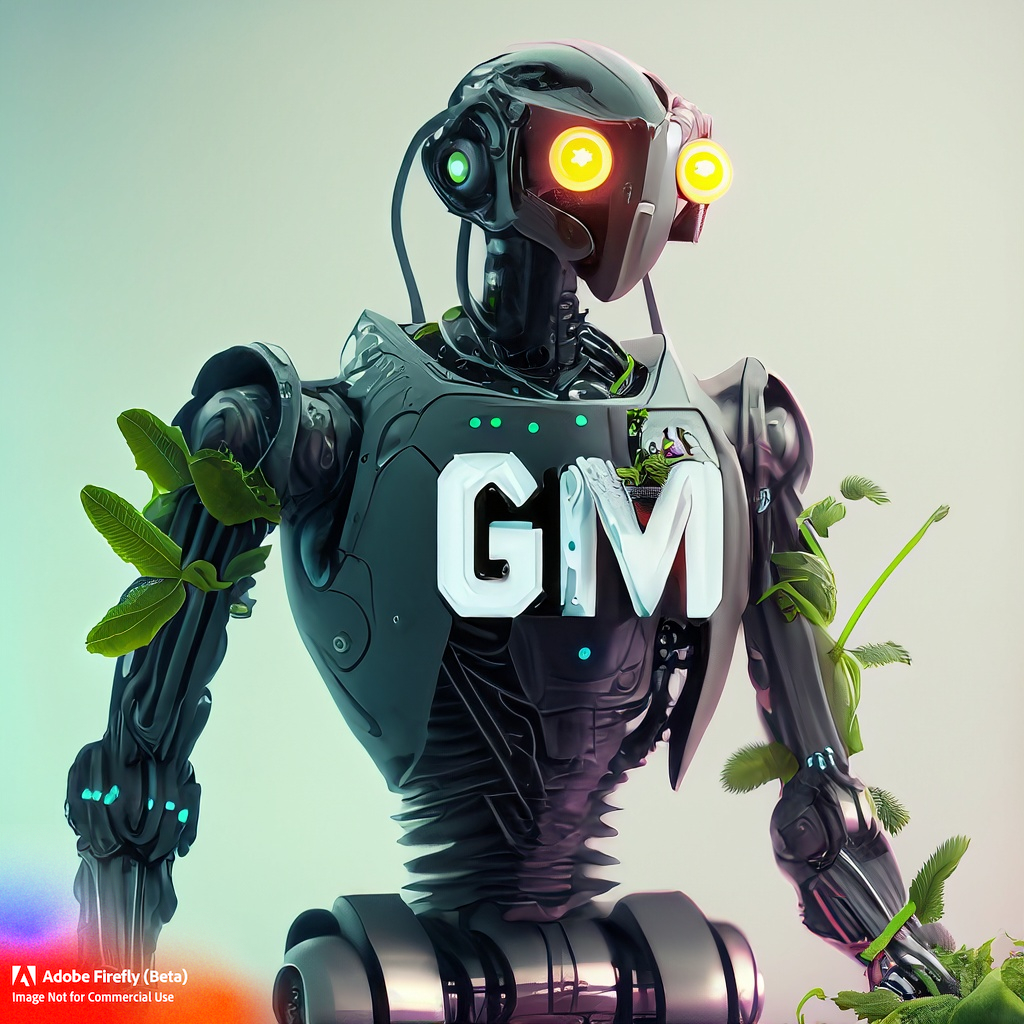
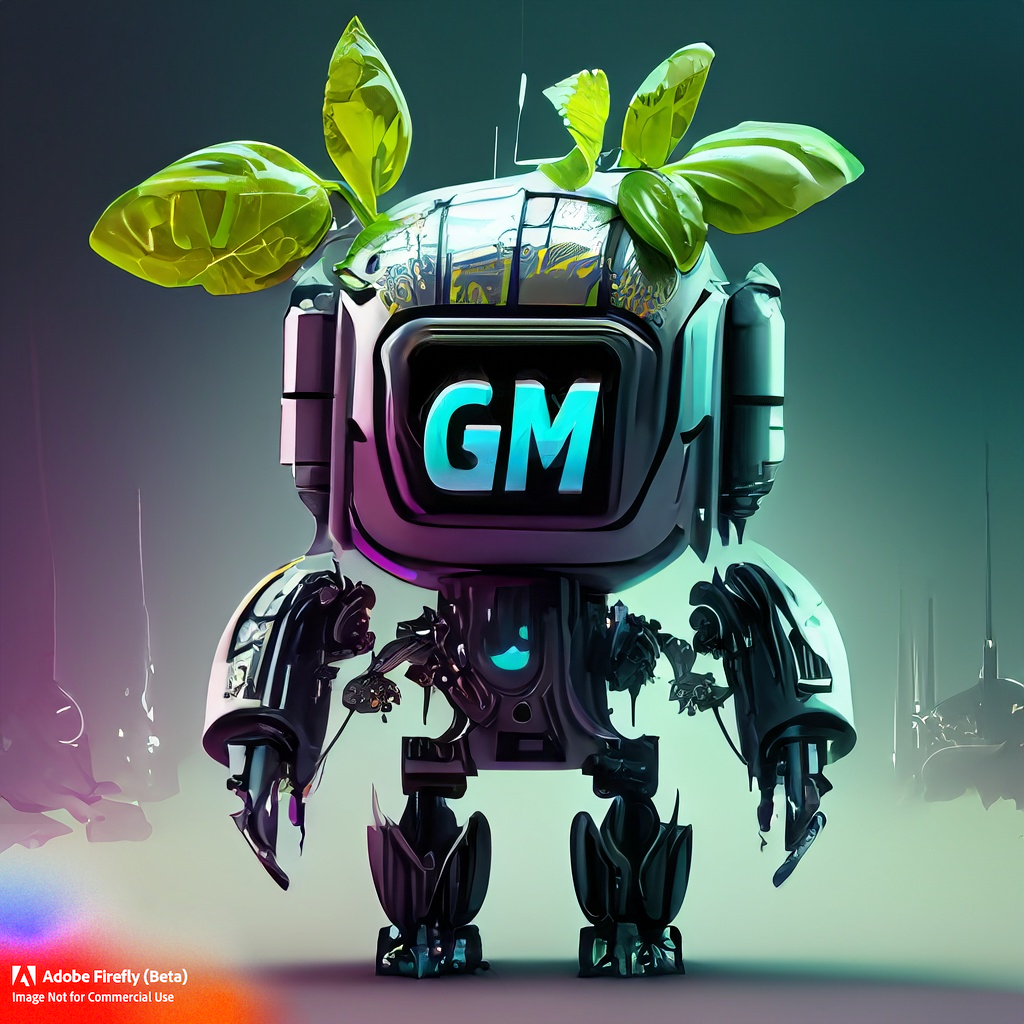
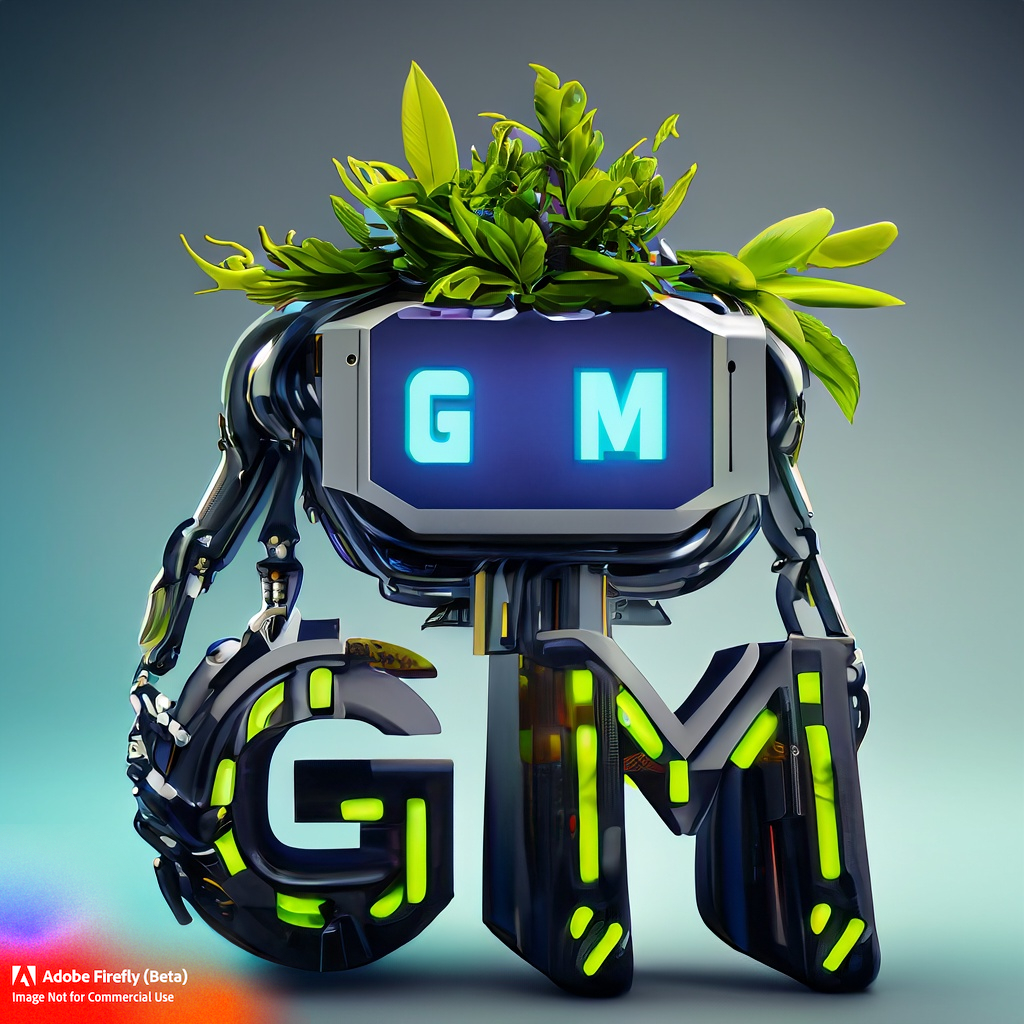
I just got whitelisted for Adobe Firefly.
Prompt: "Futuristic herb artificial intelligence robot 4k image saying gm".

2
254
If you want to try GPT-4 without paying, here are 2 apps to try it:
➡️ ora.sh/openai/gpt4
➡️ huggingface.co/spaces/ysharm…
1
200
Today, $GOOG announced a set of new generative AI features for Google Workspace and Google Cloud. Let's have a look!
✨ Generative AI in Google Workspace:
Google is set to launch generative AI features in its Workspace apps, such as Gmail, Google Docs, Sheets, Slides, and Meet. These features include ways to summarize, brainstorm, and generate text with AI, as well as the ability to create AI imagery, audio, and video in Slides. However, only the first AI writing tools in Docs and Gmail will be made available to "trusted testers" in the US this month, and the rest will be released later in the year. Microsoft is also rumored to be building similar features in its Office suite of apps.
✨ Google is opening up its AI model PaLM:
Google is launching an API for its large language model PaLM, which will give developers access to one of its most advanced AI language models. Along with the PaLM API, Google is also launching a new app called MakerSuite, which will help developers train PaLM to carry out specific tasks, as well as a platform called Generative AI App Builder. These moves are part of a larger push by Google to put more AI tools in the hands of more companies, which will give businesses the opportunity to build new AI language services, similar to the way OpenAI's language APIs led to an explosion of startups.
✨ Generative AI capabilities for Google Cloud:
Google is launching new generative AI capabilities in its Google Cloud AI portfolio, including support for generative AI in Vertex and a new Generative AI App Builder. Developers and organizations will be able to access enterprise-level safety, security, and privacy, as well as integrate with their existing Cloud solutions. The new capabilities will enable businesses and governments to build their own AI-powered chat interfaces and digital assistants and to create generative AI applications in minutes or hours.
✨ Conclusion:
With these updates, Google wants to catch up with its competitors in the new AI race, which led it to declare a "code red" in December, telling staff to add AI tools to all its user products within months.
The available demos show that Google is not just adding AI on top of its products but is also integrating them nicely with a good UX. People could even be interacting with one of these models without even knowing it. This is a different approach from what $MSFT has been doing so far with Bing, where the AI was added as a separate product from the main search.
I believe Google is better at building an ecosystem than Microsoft, so features like AI end up seamlessly integrated across all their products in a way that feels natural and intuitive.
I believe this AI race will be beneficial for both companies without changing much of the equation, Google will keep being the leader on the end consumers and smaller businesses front, while Microsoft will keep winning on enterprises.
blog.google/technology/ai/ai…
1
158
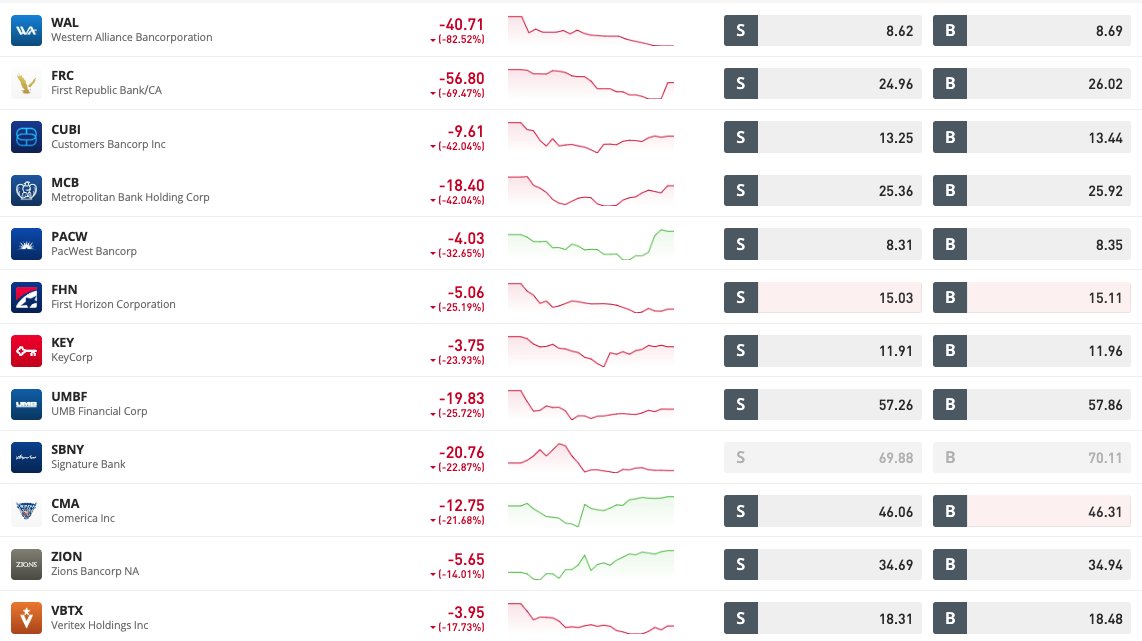
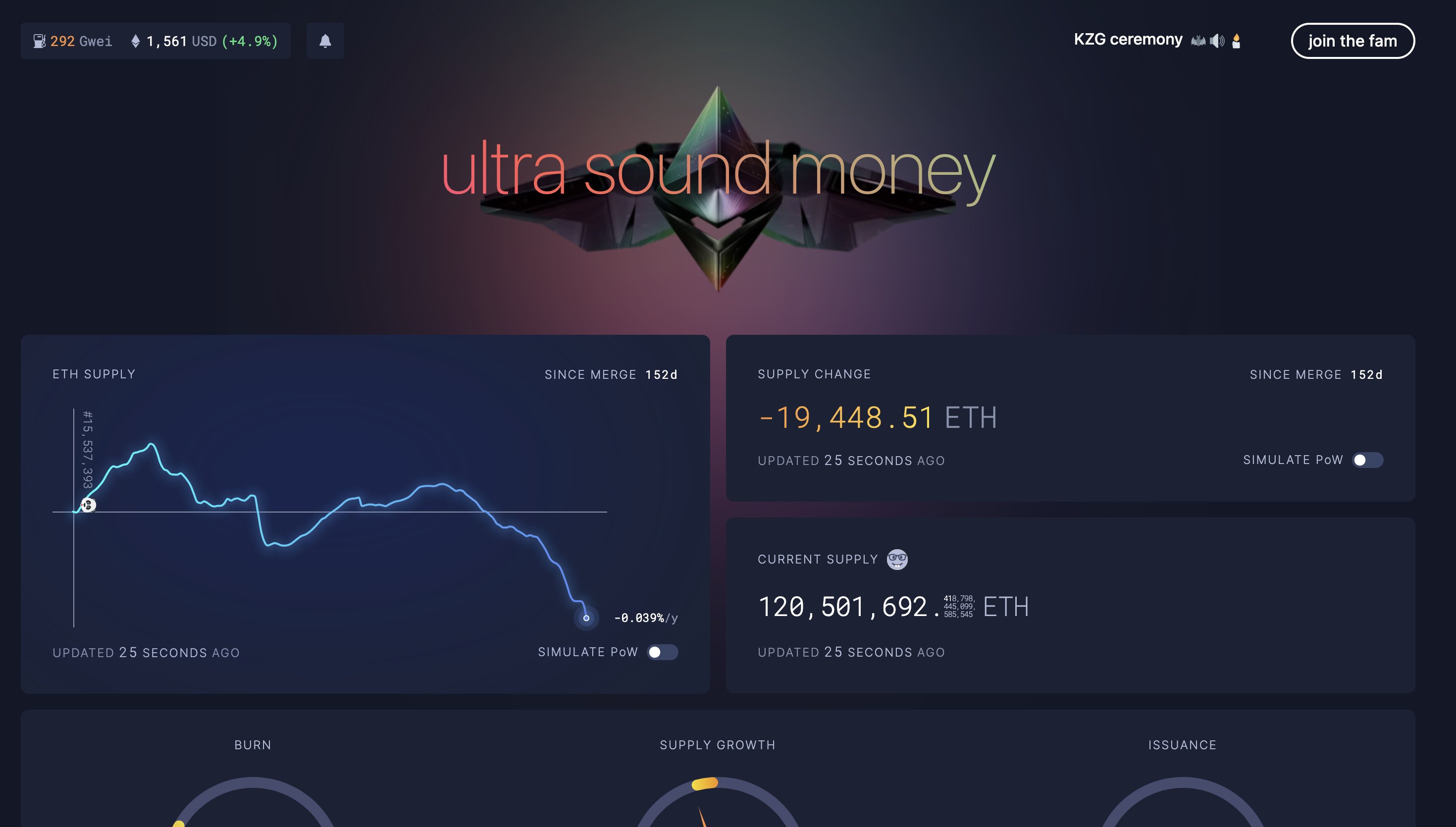
$BLUR airdrop caused Ethereum fees to jump to +400 gwei. Who else is watching the supply go down? 😁
2
419
Mariano Pardo retweeted
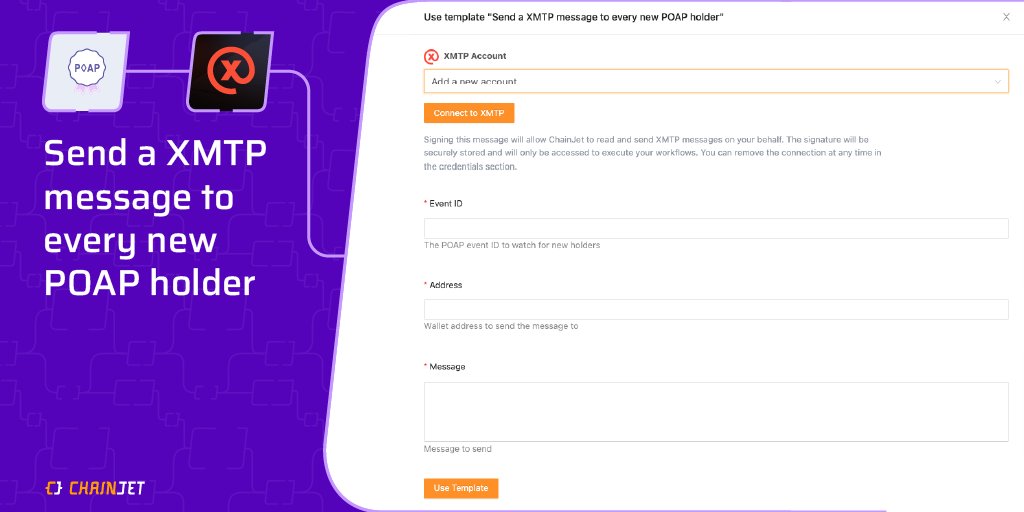
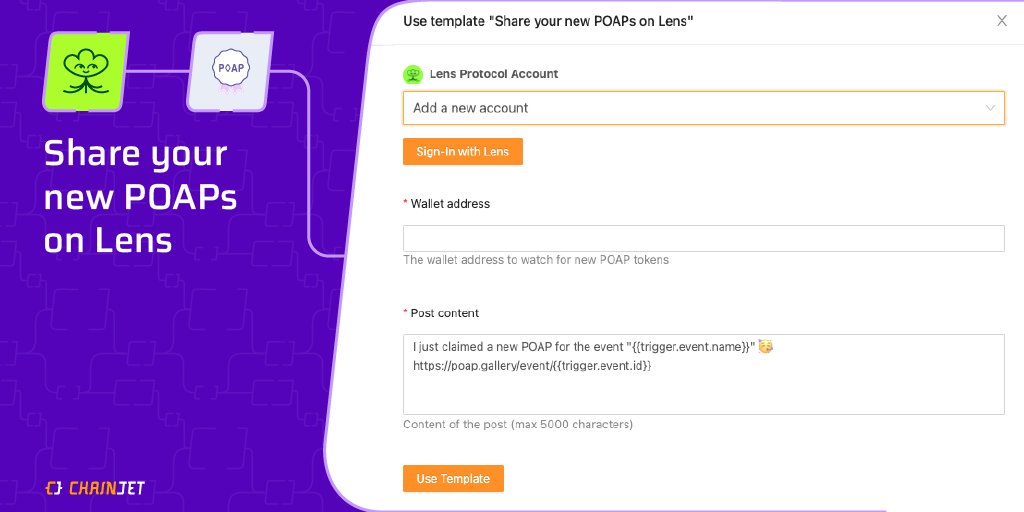
Have you tried our new @poapxyz integration yet?👀
✨We've got two templates ready to use:
👉Send a XMTP message to every new POAP holder:
chainjet.io/workflows/63da79…
👉Share your new POAPs on Lens:
chainjet.io/workflows/63dd18…
1
3
6
2,251

I get more engagement from my 38 followers on @LensProtocol than my +2000 on Twitter!
1
1
279
Traditional search will not be replaced just yet. Instead, I think these AIs will be added at the top of search responses and not for every search, and not in all cases. 4/4
125
The big question is how they will handle false information. Because of how these text-competition models work, they can confidently present false info. 3/4
1
159
This comes one day after Google announced its own chat AI called Bard. Which will be integrated into Google searches. 2/4
blog.google/technology/ai/ba…
1
92
Microsoft just announced a new version of Bing, powered by the same tech as ChatGPT, but it can also browse the Internet. 1/4
bing.com/new
1
2
264
Mariano Pardo retweeted
We just added a new trigger for @LensProtocol🌿
✨Now you can run a workflow when someone collects one of your posts or comments!
👀A cool use case is to send a Lens DM to the collectors with a private link: chainjet.io/workflows/63d408…
1
3
255