
Quickly build modern single-page React, Vue and Svelte apps using classic server-side routing and controllers.
- Tweets 746
- Following 1
- Followers 20,758
- Likes 636




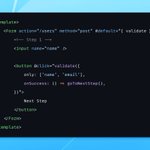


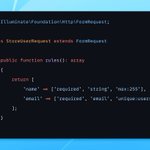

v3 also includes instant visits, layout props, custom error pages, a built-in XHR client replacing Axios, and much more.
Blog post: laravel.com/blog/inertia-v3-…
Upgrade guide: inertiajs.com/docs/v3/gettin…
2
44
3,791
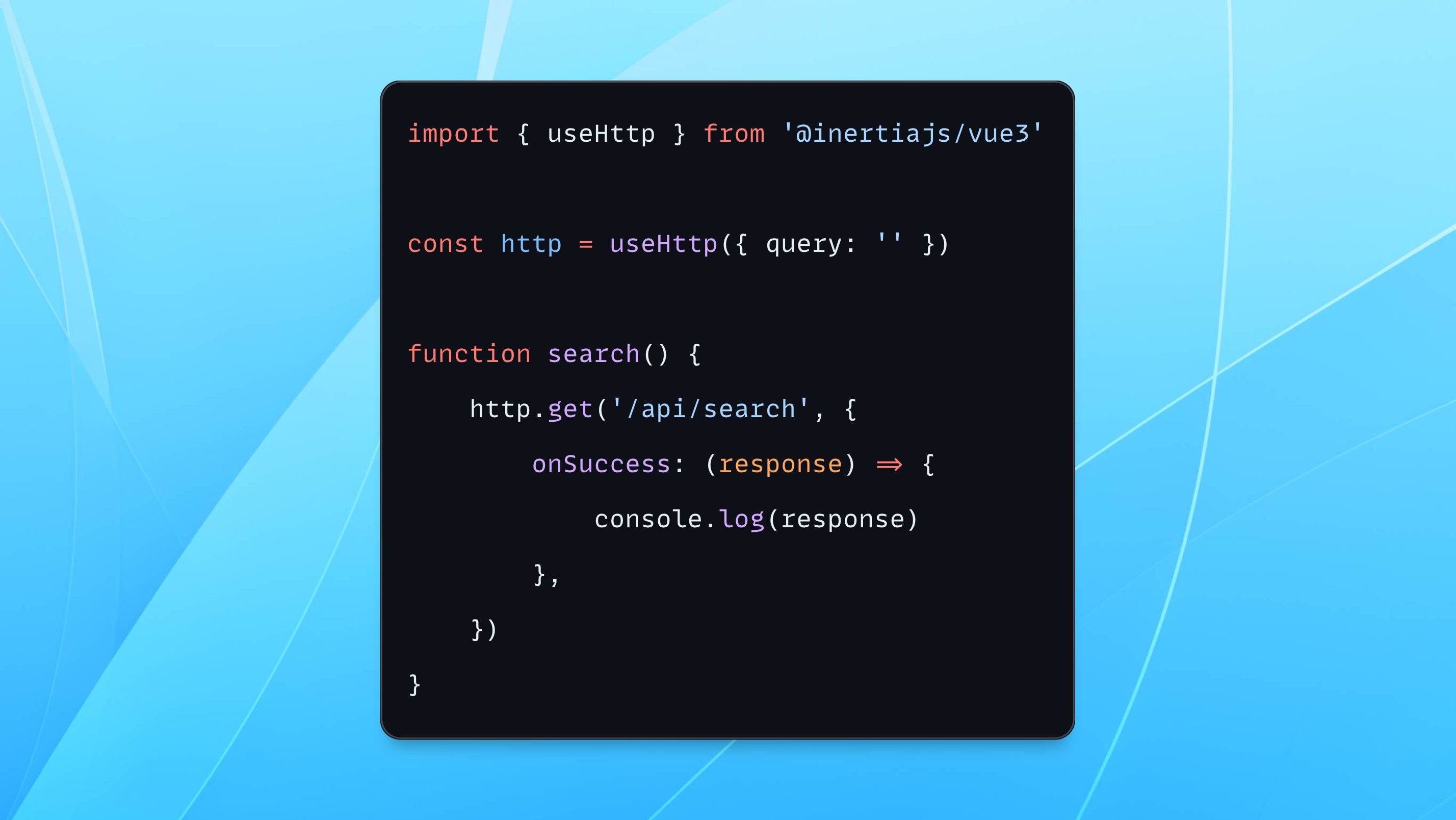
Introducing the 𝚞𝚜𝚎𝙷𝚝𝚝𝚙 hook. The same developer experience as useForm, but for plain HTTP requests. Reactive state, error handling, file upload progress, and request cancellation, all without triggering a page visit.
1
40
4,384
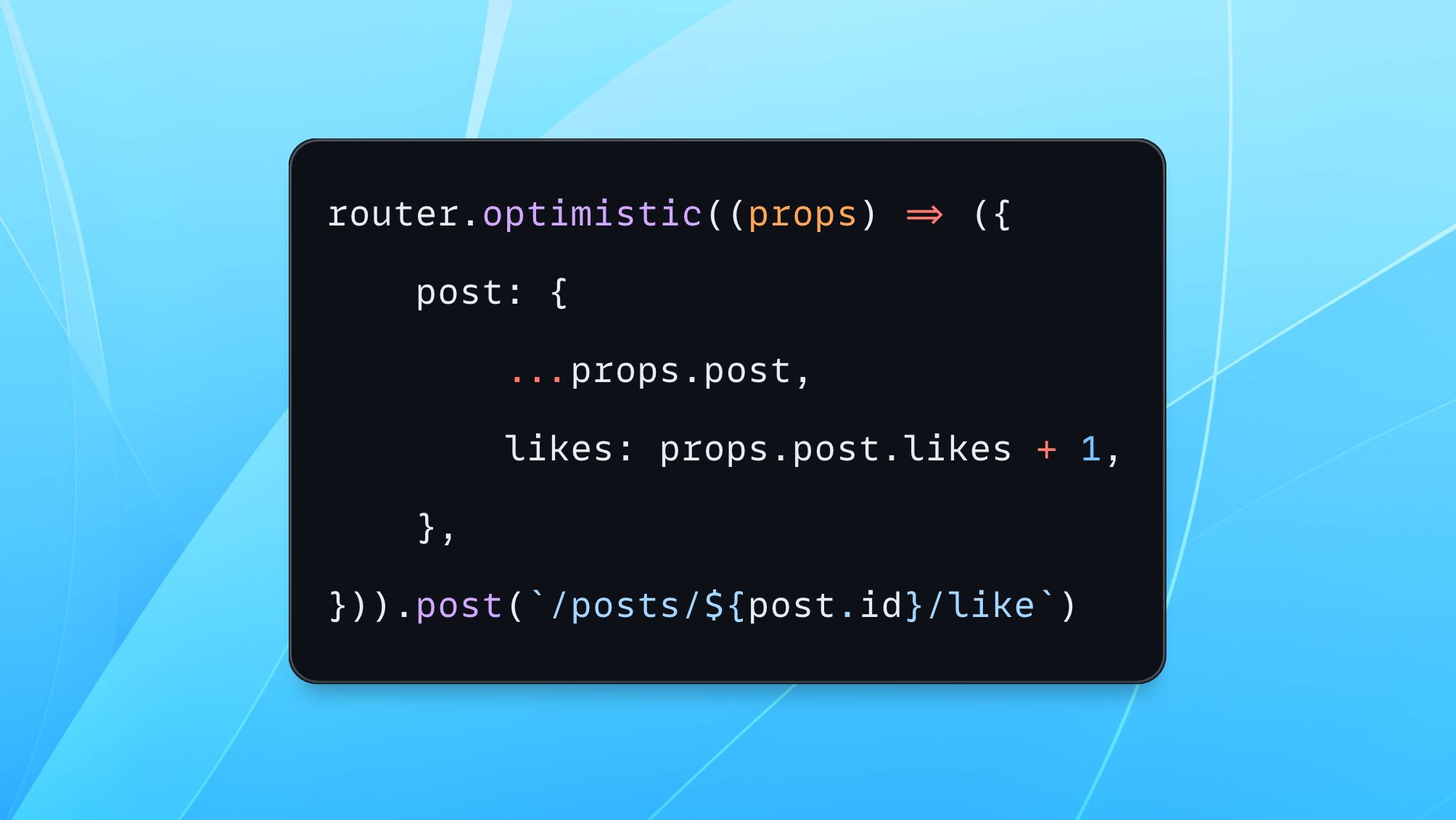
Optimistic updates are now built into Inertia. Chain 𝚘𝚙𝚝𝚒𝚖𝚒𝚜𝚝𝚒𝚌() before any router visit to apply changes instantly. If the request fails, props revert automatically 💫
1
45
3,145
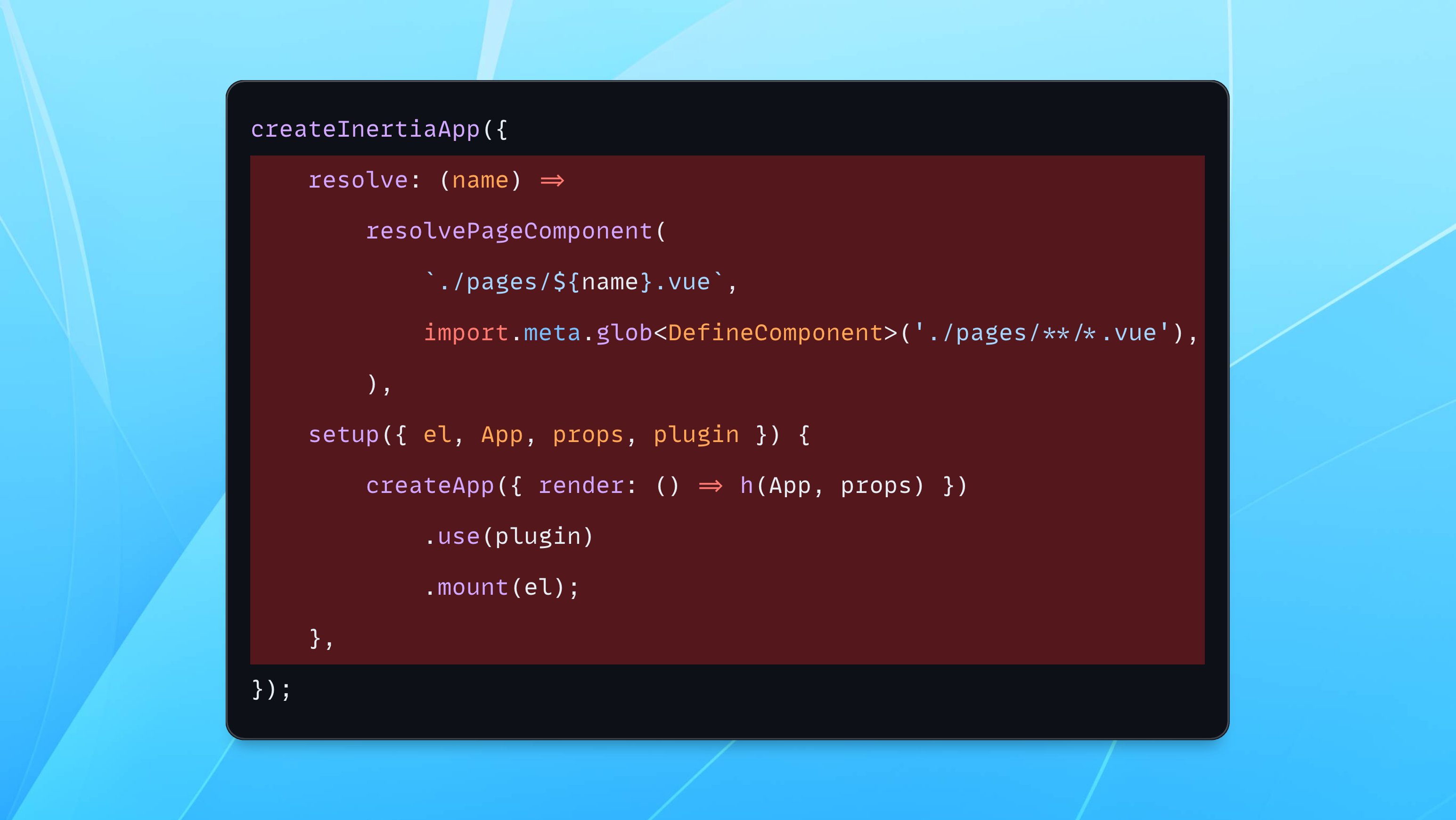
The new @𝚒𝚗𝚎𝚛𝚝𝚒𝚊𝚓𝚜/𝚟𝚒𝚝𝚎 plugin handles page resolution, code splitting, and SSR setup automatically. Your entire entry point can now be a single function call. SSR in development no longer requires a separate Node.js server either. Just run 𝚌𝚘𝚖𝚙𝚘𝚜𝚎𝚛 𝚍𝚎𝚟 ⚡️
1
54
4,244
Today we're releasing Inertia 3! 🚀
It's packed with new features, a better developer experience, and fewer dependencies. Here's what's new 🧵
13
64
495
54,772

Inertia v3 Deep Dive w/ Pascal Baljet nitter.catsarch.com/i/broadcasts/1jxXgeapA…
15
67
5,152
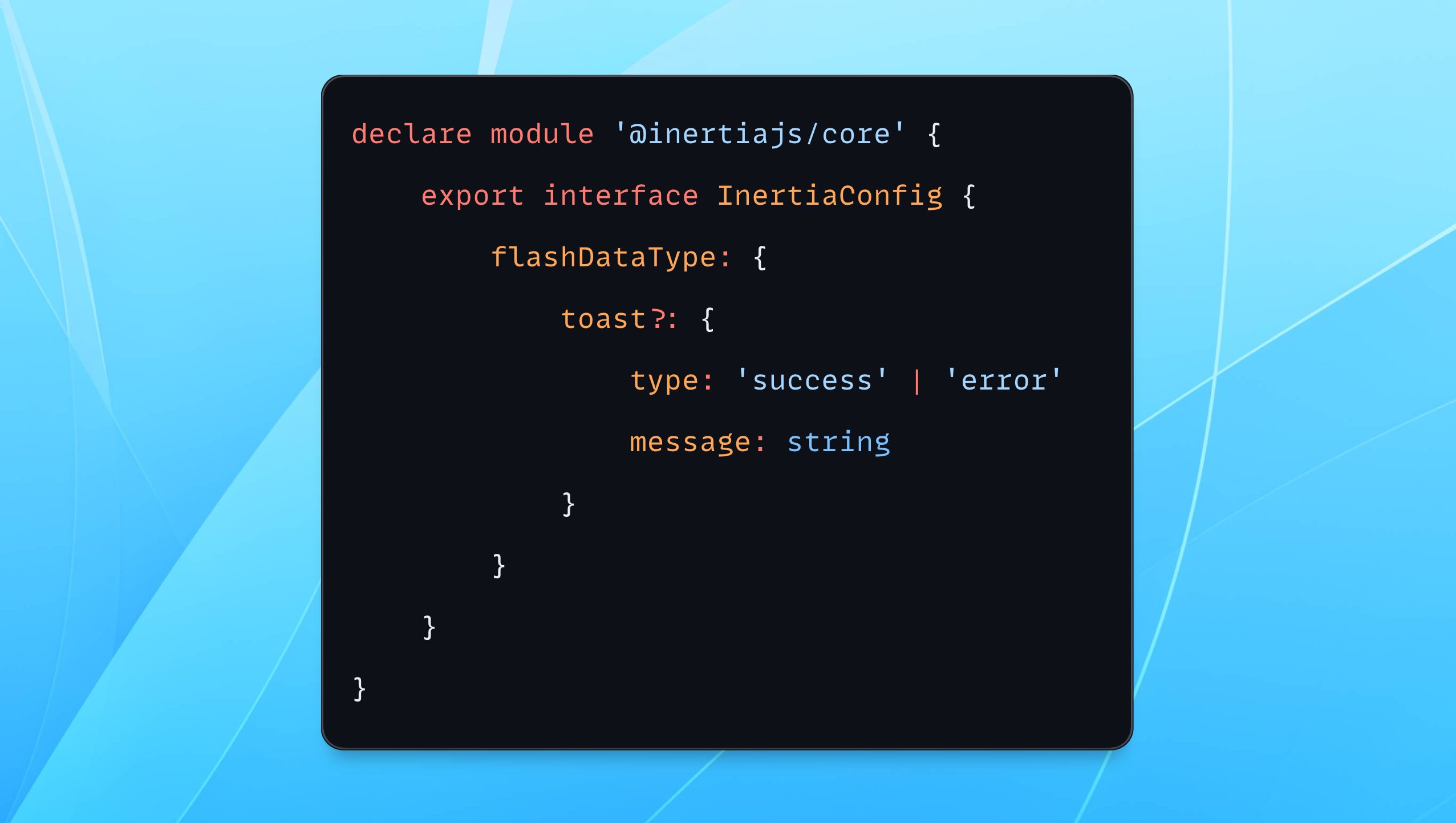
Lastly, TypeScript users can configure the Flash Data type globally using declaration merging. That way, your page.flash will be fully typed throughout your app 🔒
34
3,184
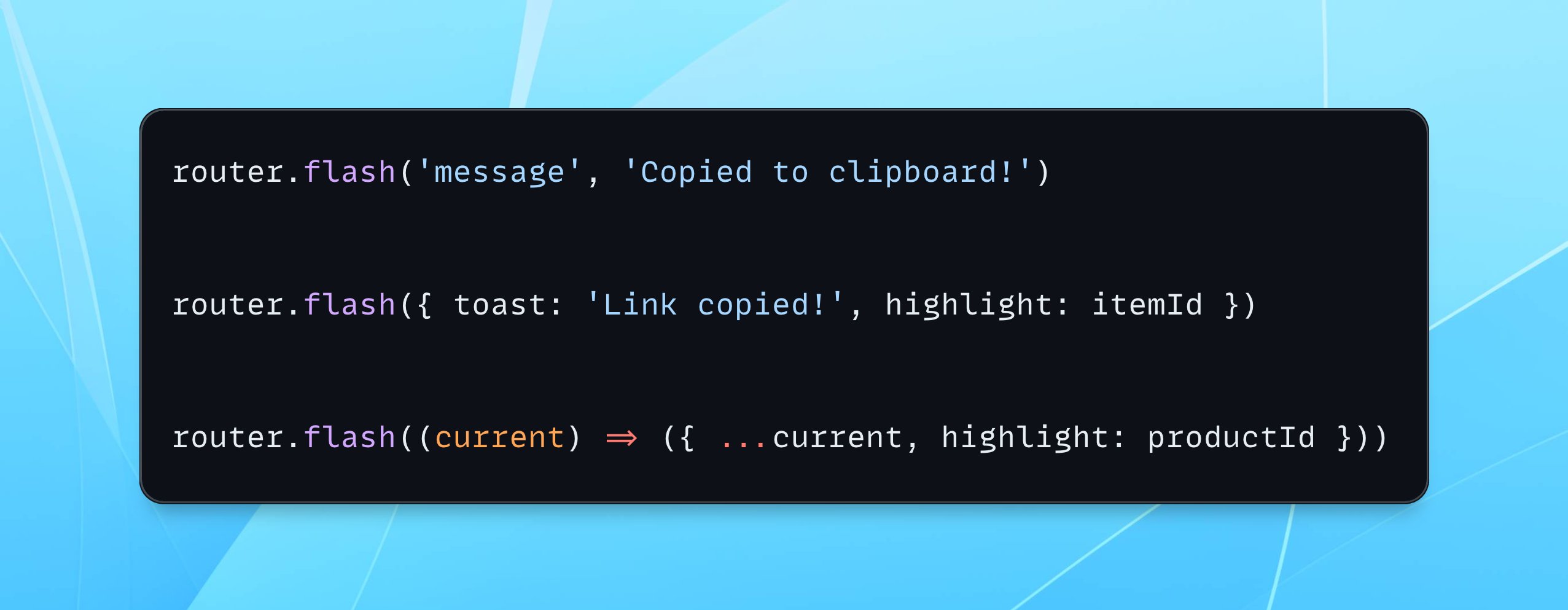
You can also set Flash Data entirely on the client using router.flash(). New values are merged with existing data, and with a callback, you may access or replace the current state ✨
1
28
3,631
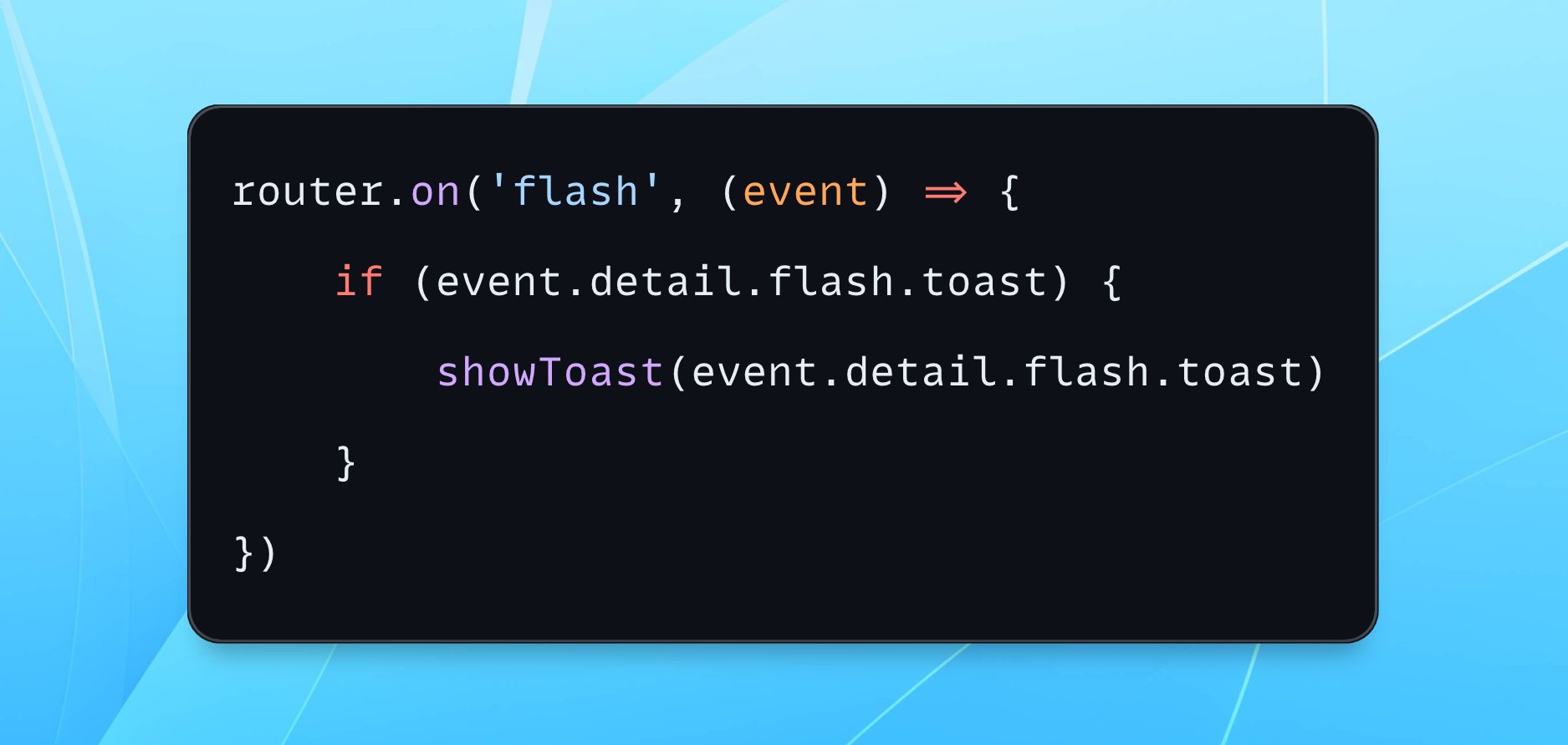
To handle Flash Data globally, listen to the global flash event. This is ideal for toast notifications managed from a single location like your layout component.
3
34
1,646
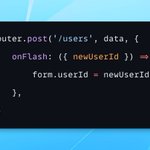
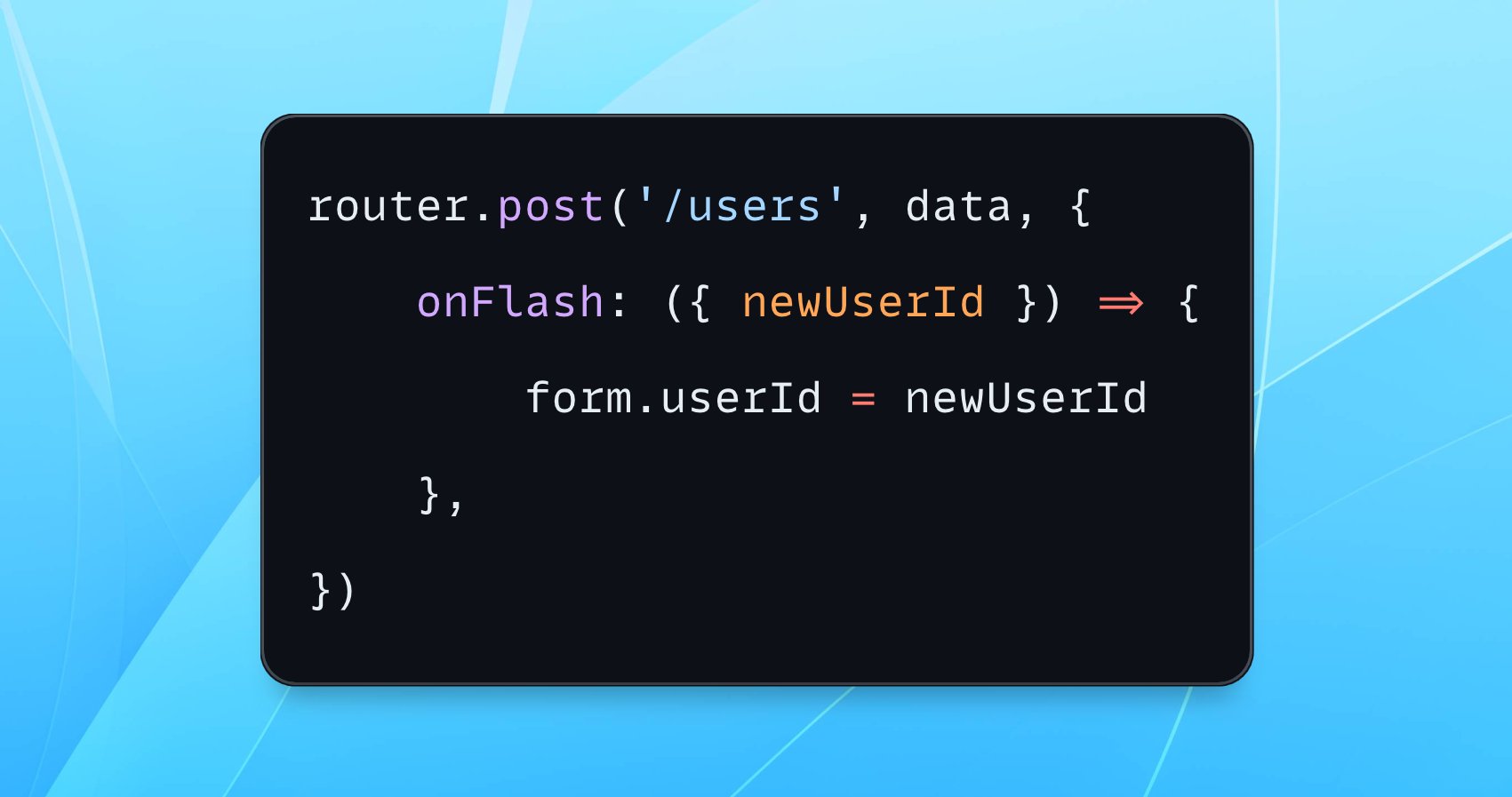
Need Flash Data when making requests? Use the onFlash callback. This is great for catching server-generated values like new Model IDs right after form submissions. 🎯
1
30
1,721
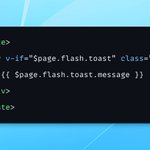
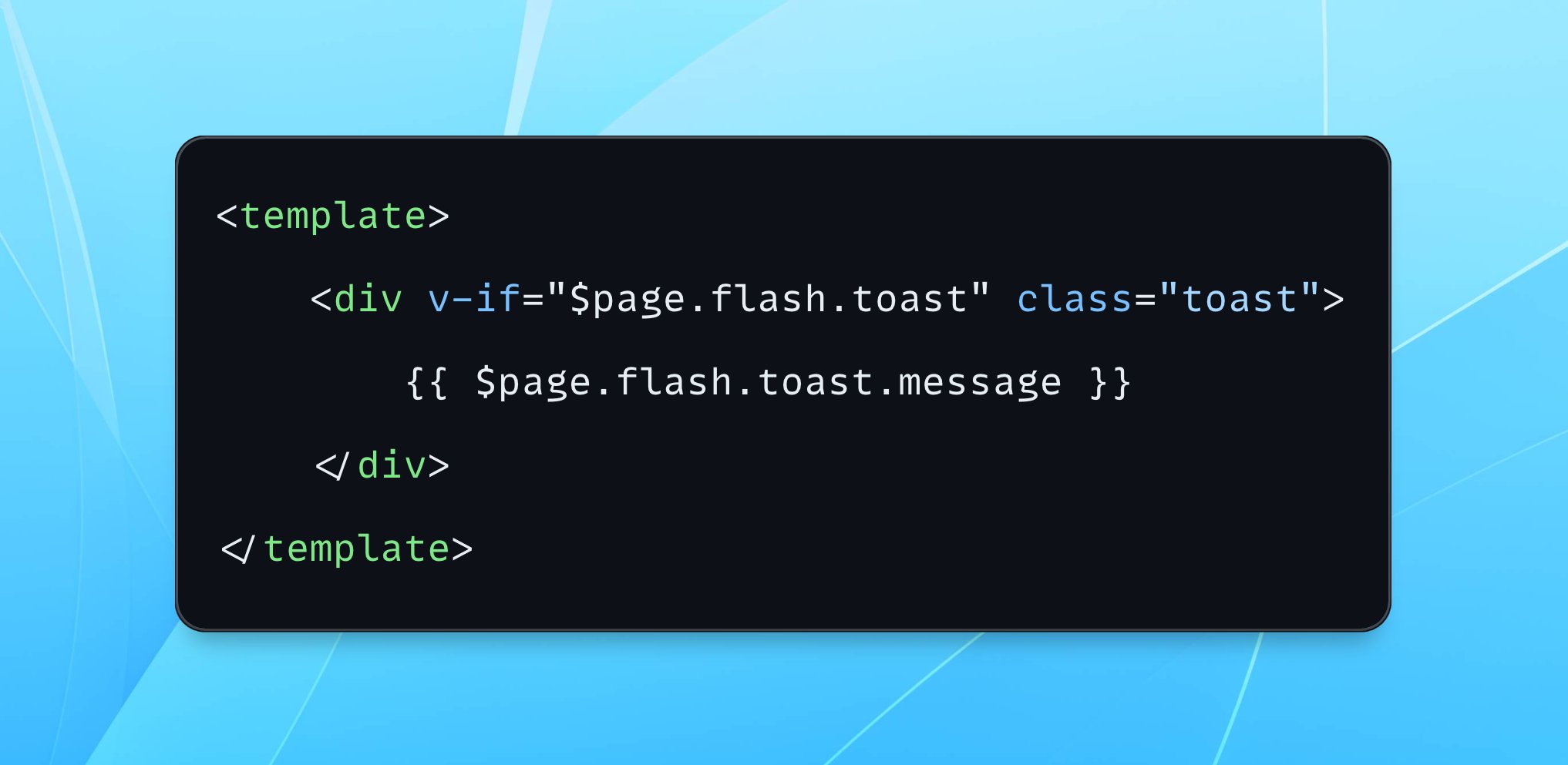
On the frontend, Flash Data is available on the page object. You may access it directly in your components, for example, to show notifications or highlight newly created items. 💫
1
26
1,780
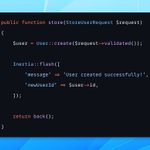
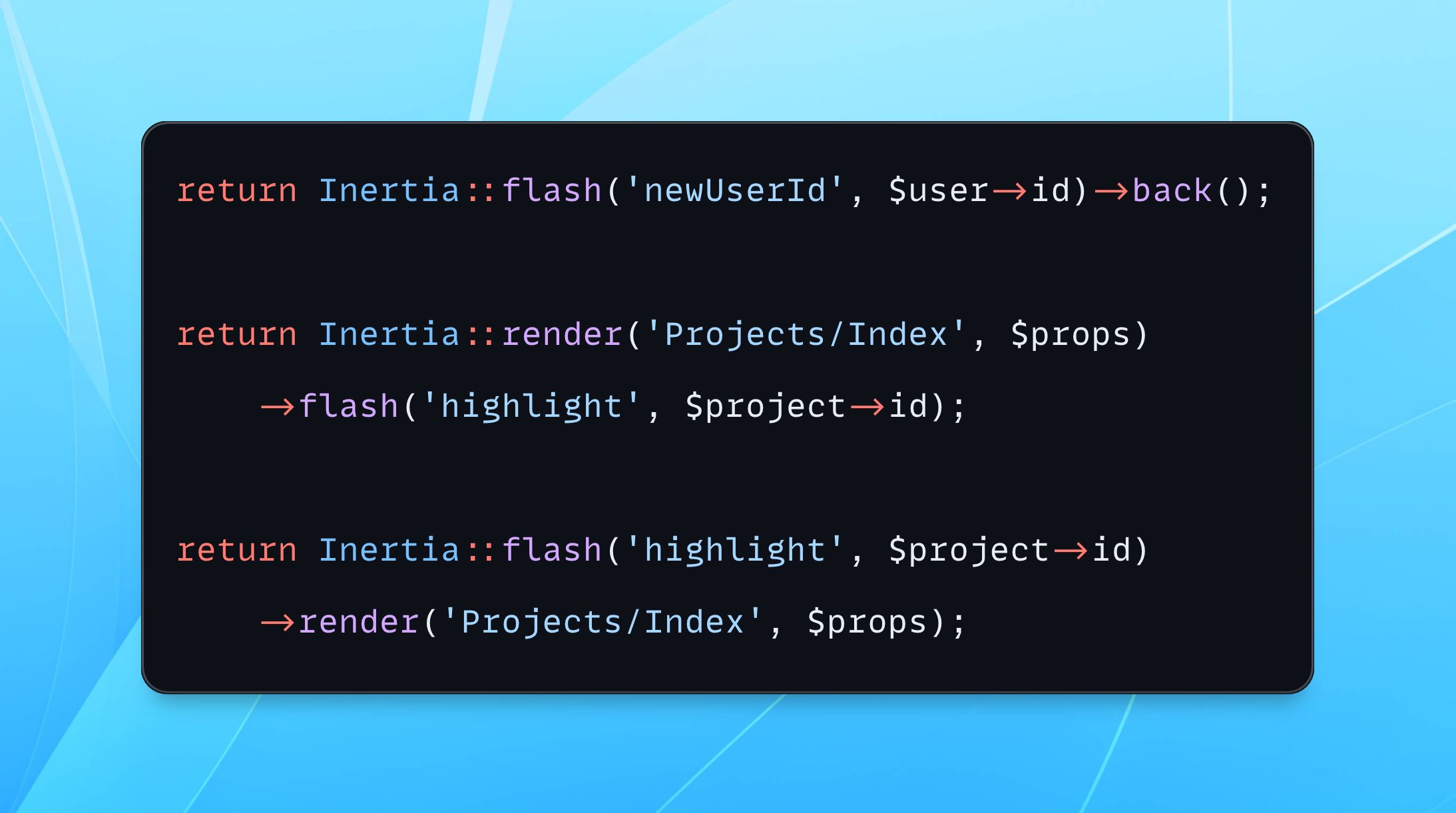
If you're using this for redirects, you can chain back() onto flash(). You can also use Flash Data for regular page renders, and you may call flash() either before or after returning an Inertia response.
2
34
1,975
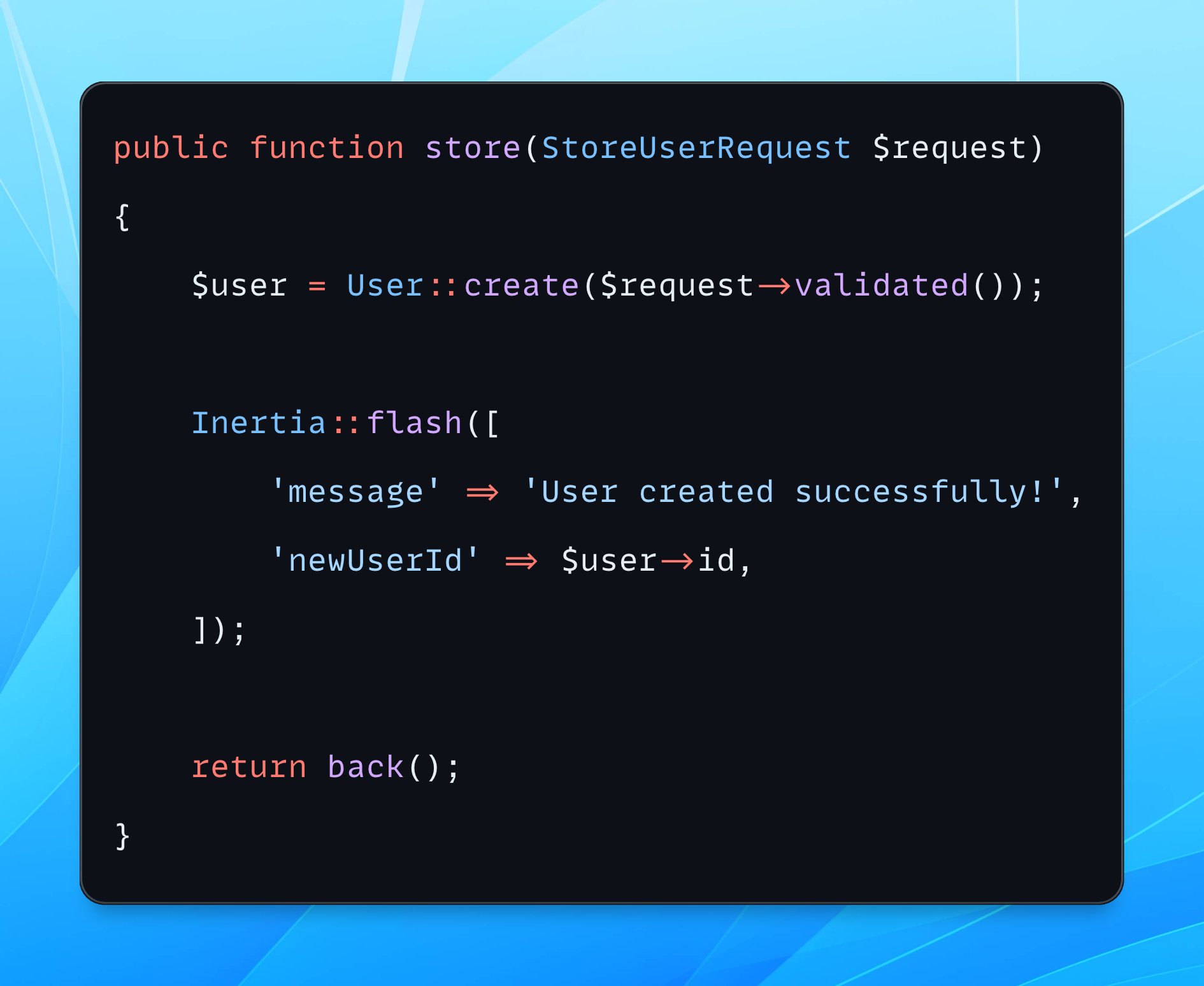
Ready for another new feature? Introducing Flash Data in Inertia! ⚡️
With Flash Data, you can send one-time values to your frontend that won't reappear when users navigate through browser history. Perfect for success messages, newly created IDs, or other temporary values.
24
60
408
56,346
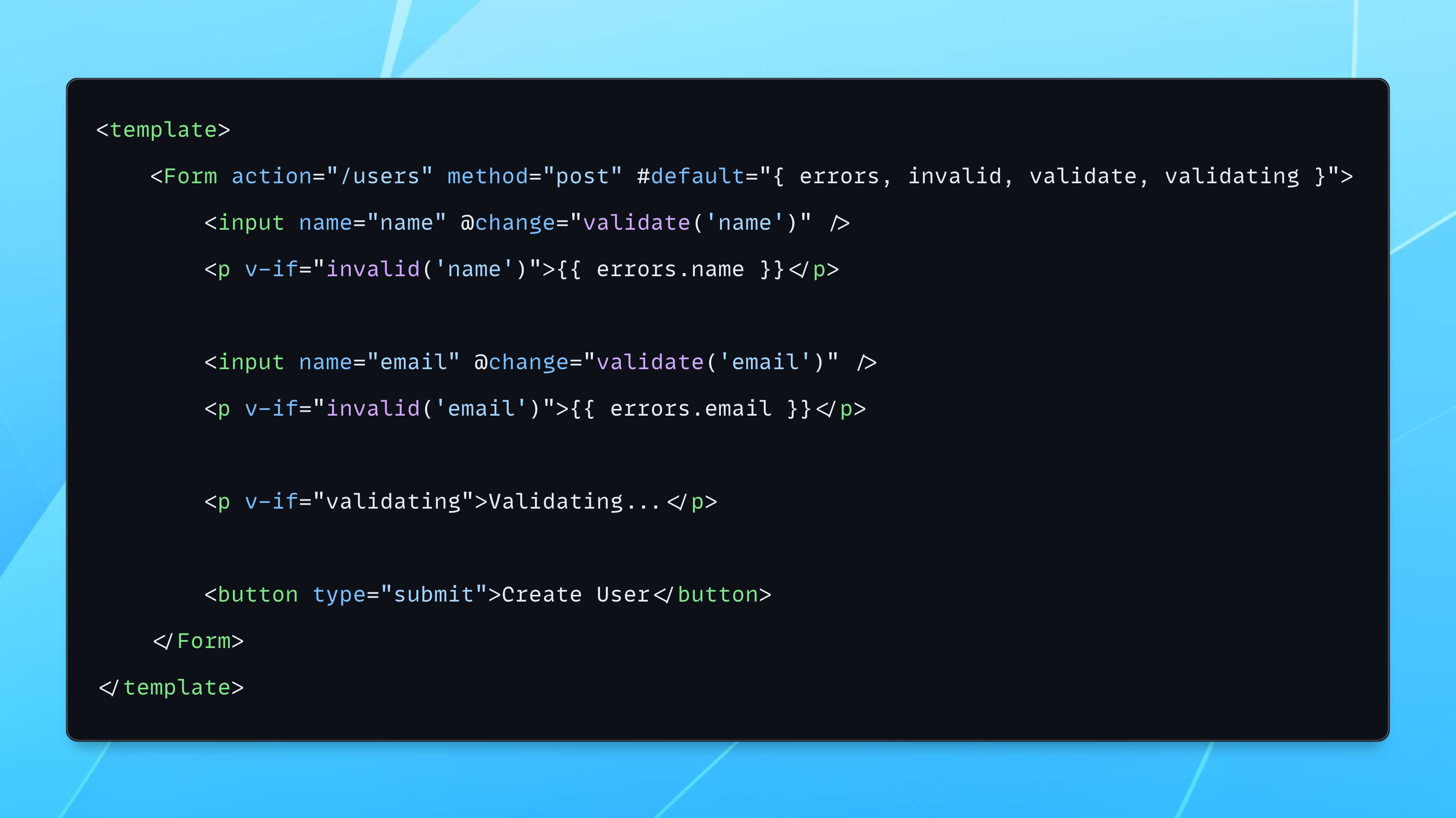
One last thing: Once you've set up Precognition on useForm(), you may simply call form.submit() without any arguments to submit the form. The method and URL are already known.
Happy validating! ✨
inertiajs.com/docs/v2/the-ba…
1
24
2,298
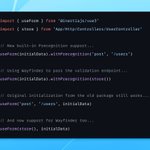
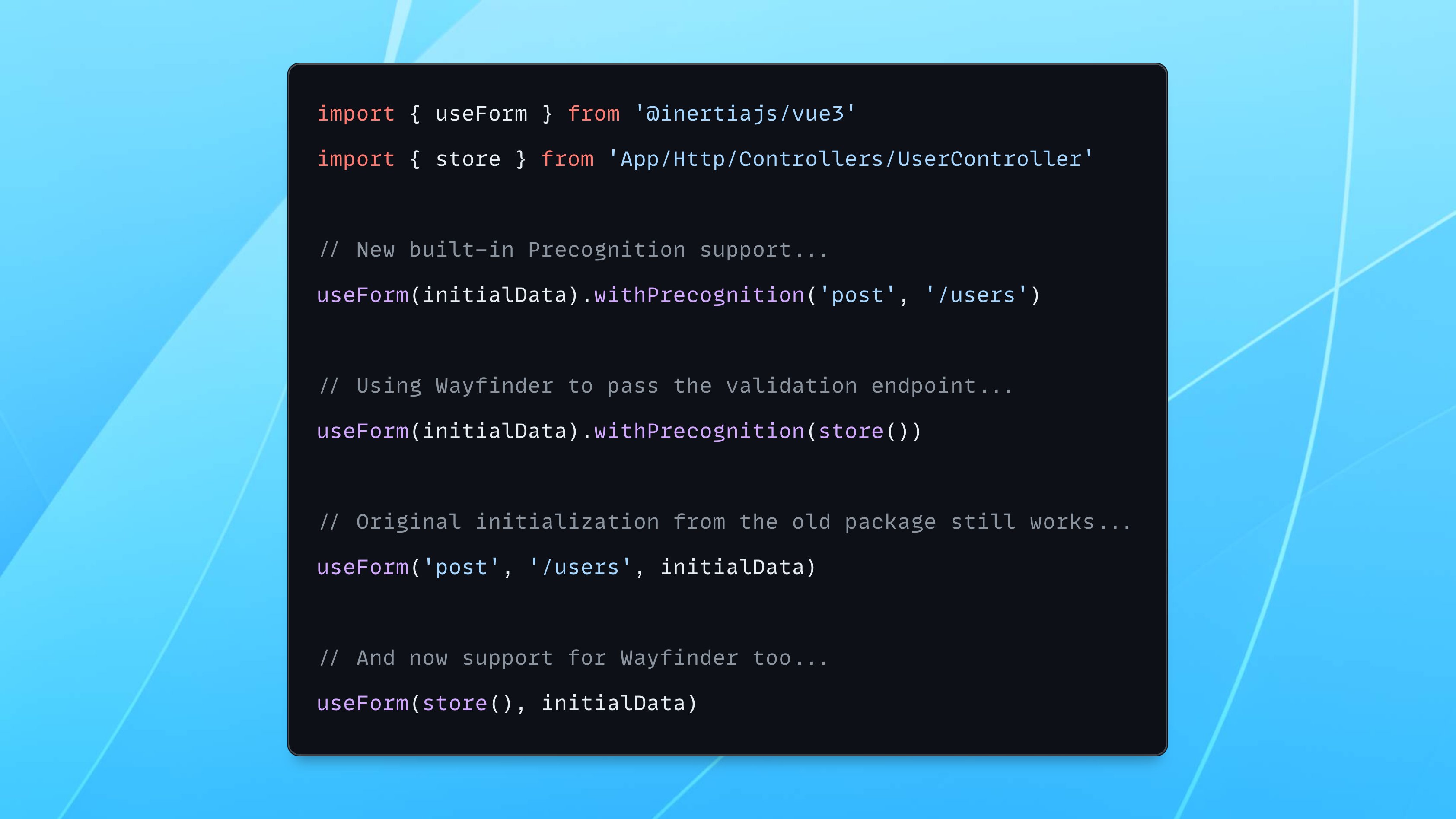
Previously, when using useForm() with Precognition, you had to install an extra package. As of Inertia 2.3, you can remove it and import useForm() directly from Inertia again.
The API stays the same and we added a new method to enable Precognition, plus support for Wayfinder ⛵️
1
1
21
2,727
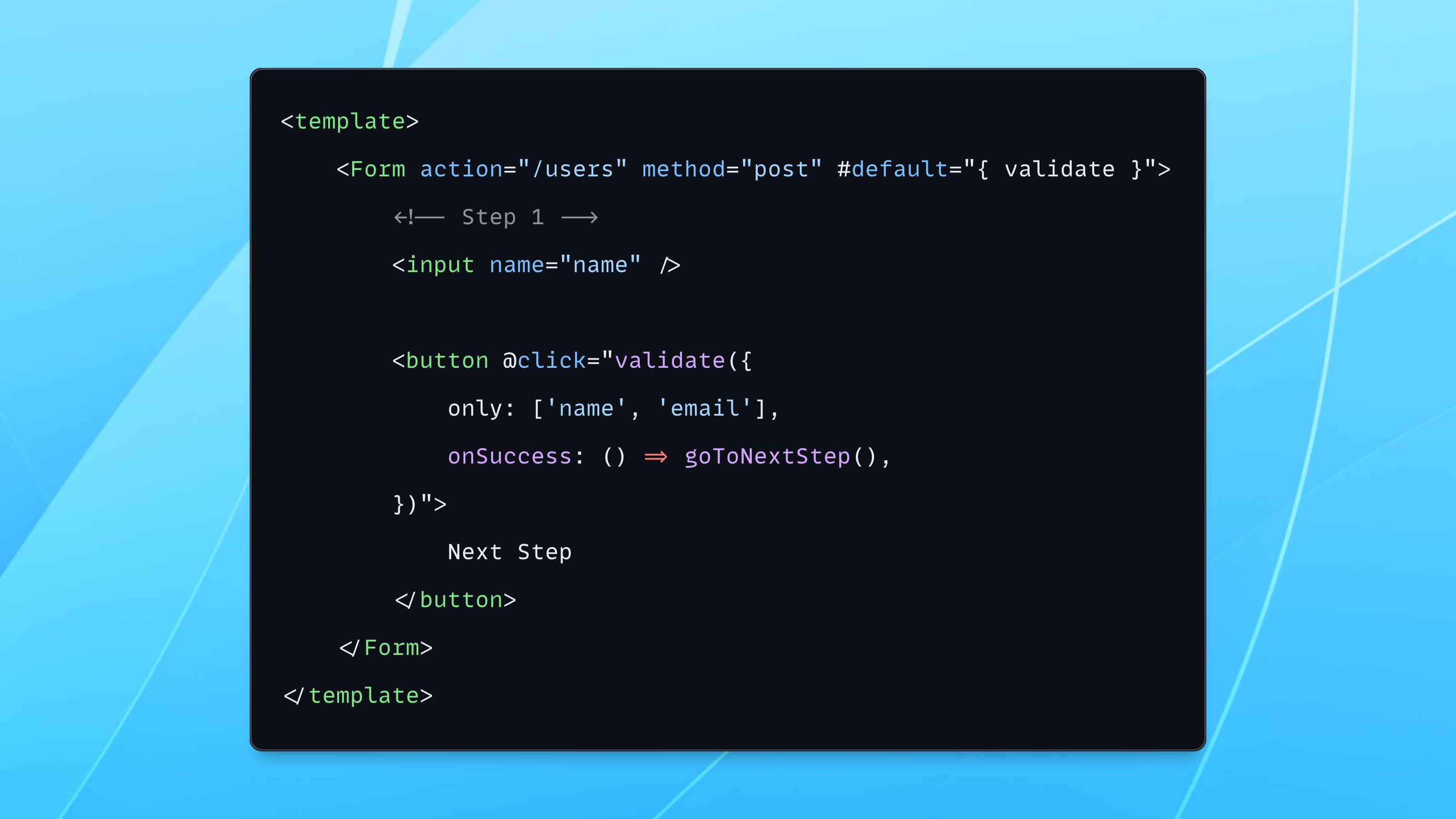
You may also specify which fields to validate, and you can pass success and error listeners. This is great for multistep forms where each step should validate before going to the next one 👏
1
22
1,189
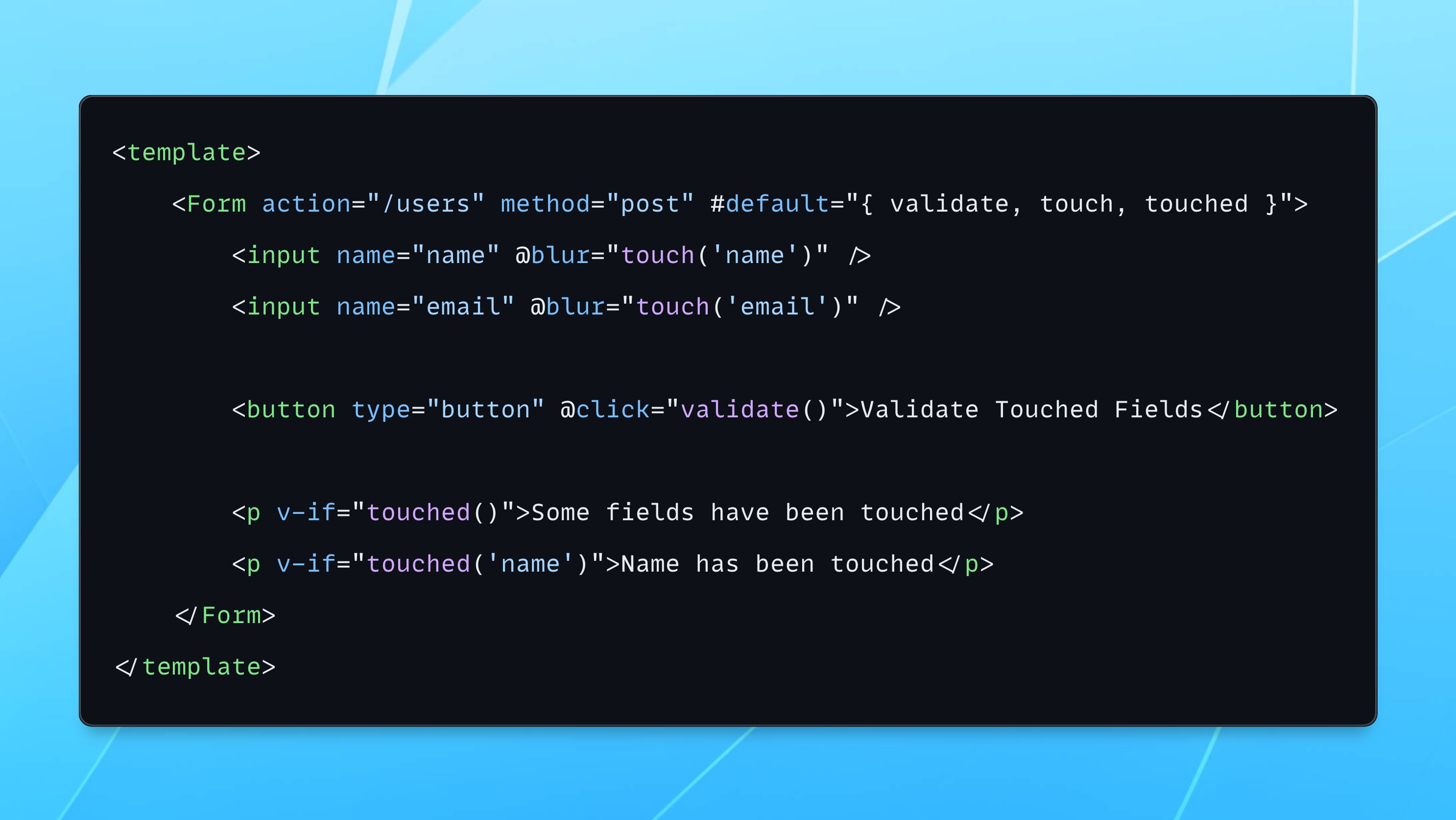
You may validate fields on events like blur and change, but you can also choose to "touch" fields. Later on, you can simply call validate() to validate all touched fields at once.
1
17
1,307
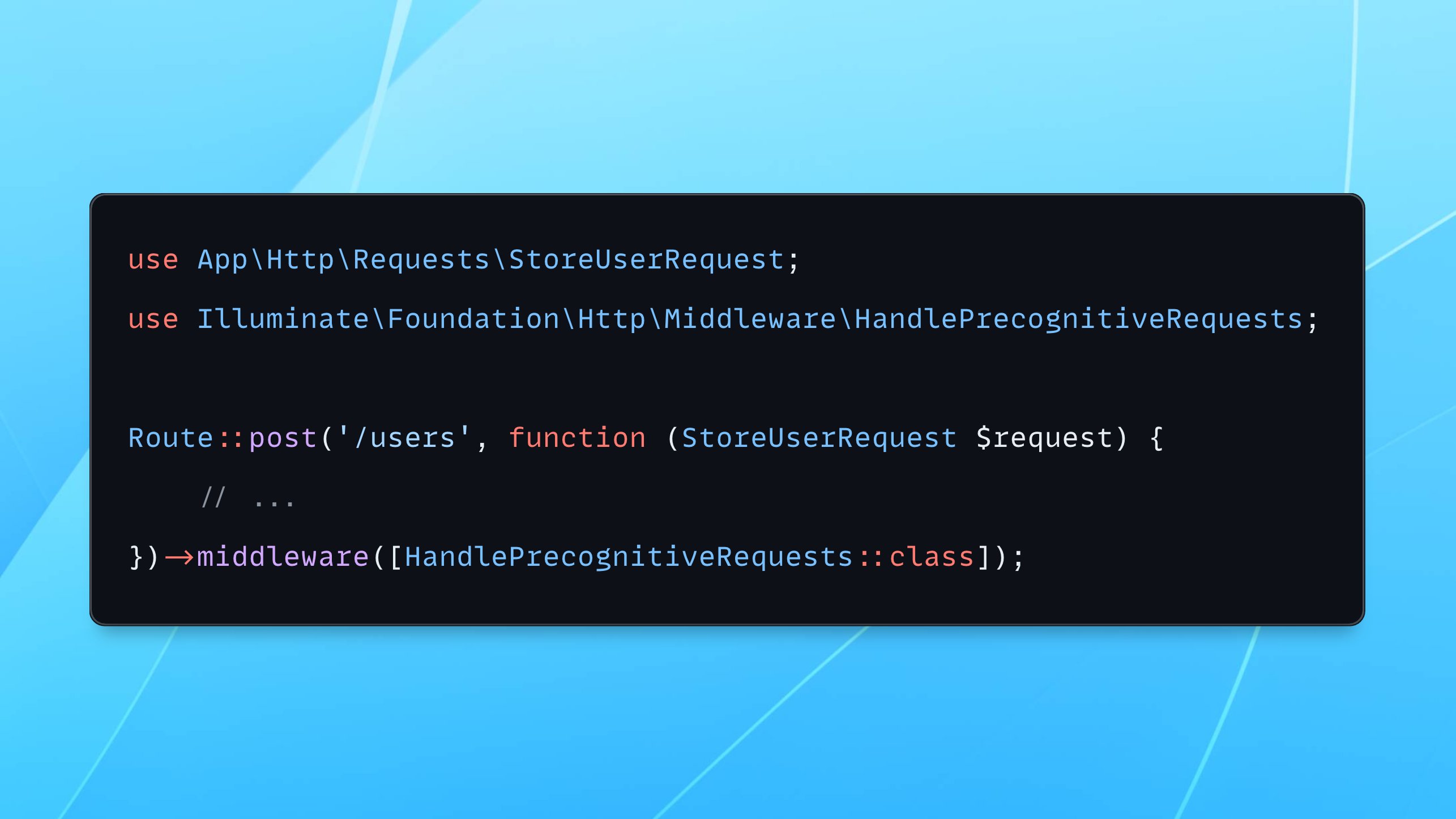
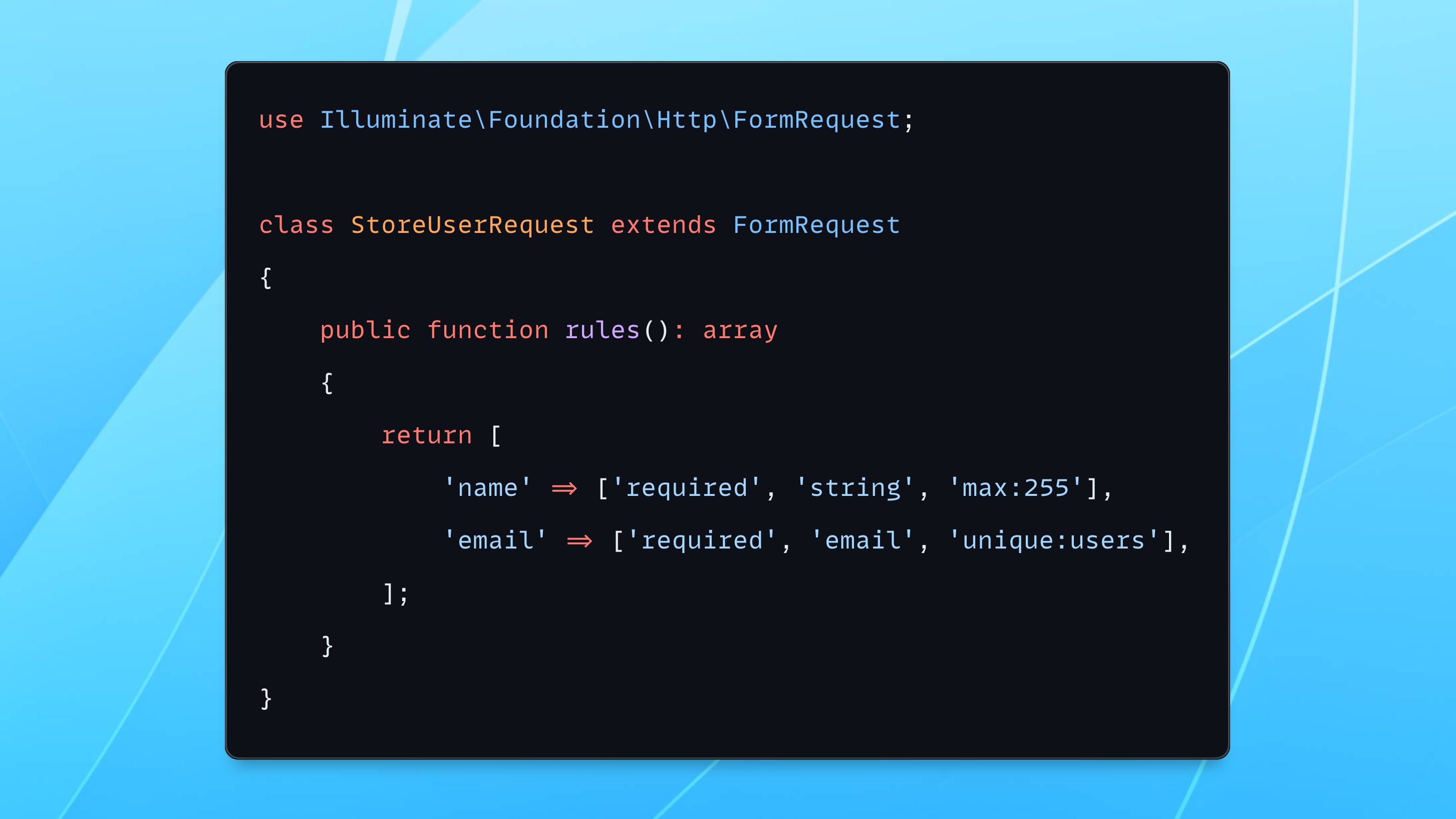
In Laravel, the only thing you need is a Form Request and the HandlePrecognitiveRequests middleware on the route. That's it!
When Laravel receives a precognitive request, it runs your middleware and validation exactly like a real submission, but skips executing the controller.
1
18
1,448
Precognition can be used for various cases, but it's mainly for validating forms as users fill them out before they actually submit the form.
It uses your existing server-side validation rules, so there's nothing to duplicate on the client 💅
1
21
1,618