Two days, one track, all Javascript. Returning Spring 2020.
NYC
- Tweets 992
- Following 73
- Followers 2,027
- Likes 316



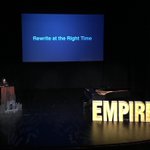
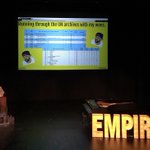



Now @marimiyachi and @samskeller are talking about building their own ORM (object-relational mapping) at work— why they did it and the challenges and benefits of doing so 🕸 #EmpireJS
1
7
Shoutout to our MC @paladique! Thank you for chasing the clouds away! ✨🎶✨
1
10
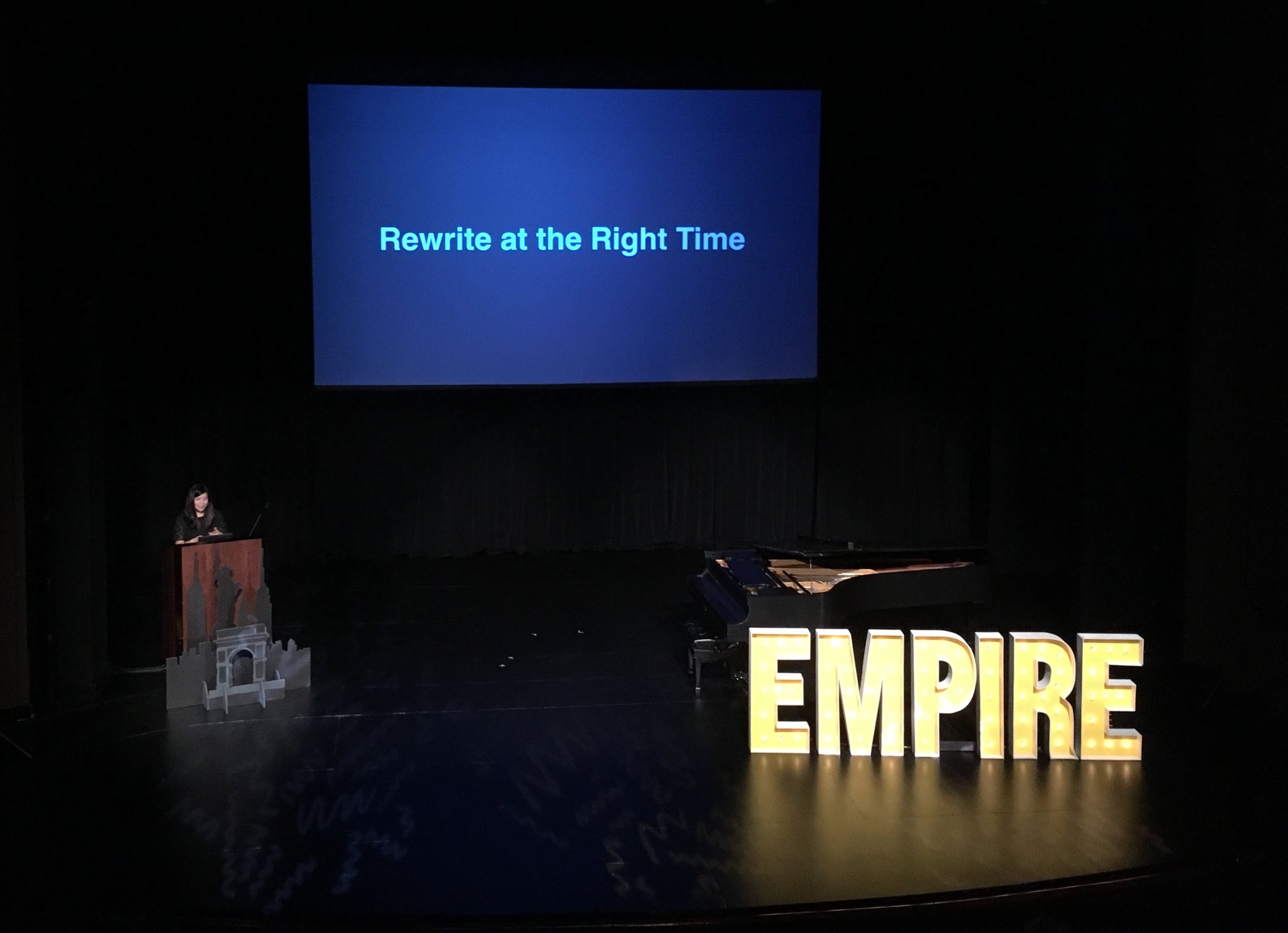
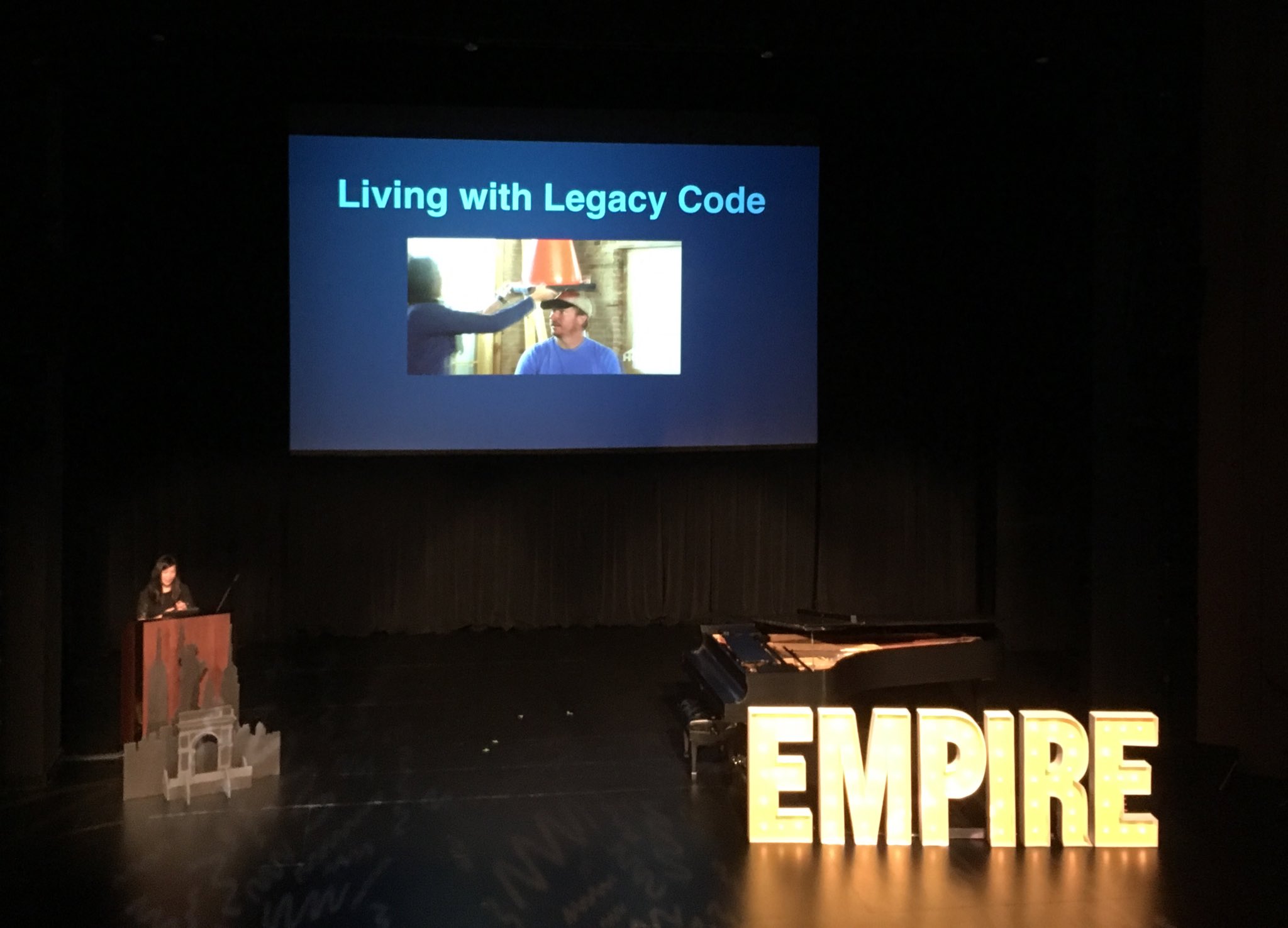
Seams... like @Tracidini’s legacy this year is talking about how to deal with legacy code: find the seams, find bridges between libraries, and finally the rewrite! 💿 #EmpireJS
2
7
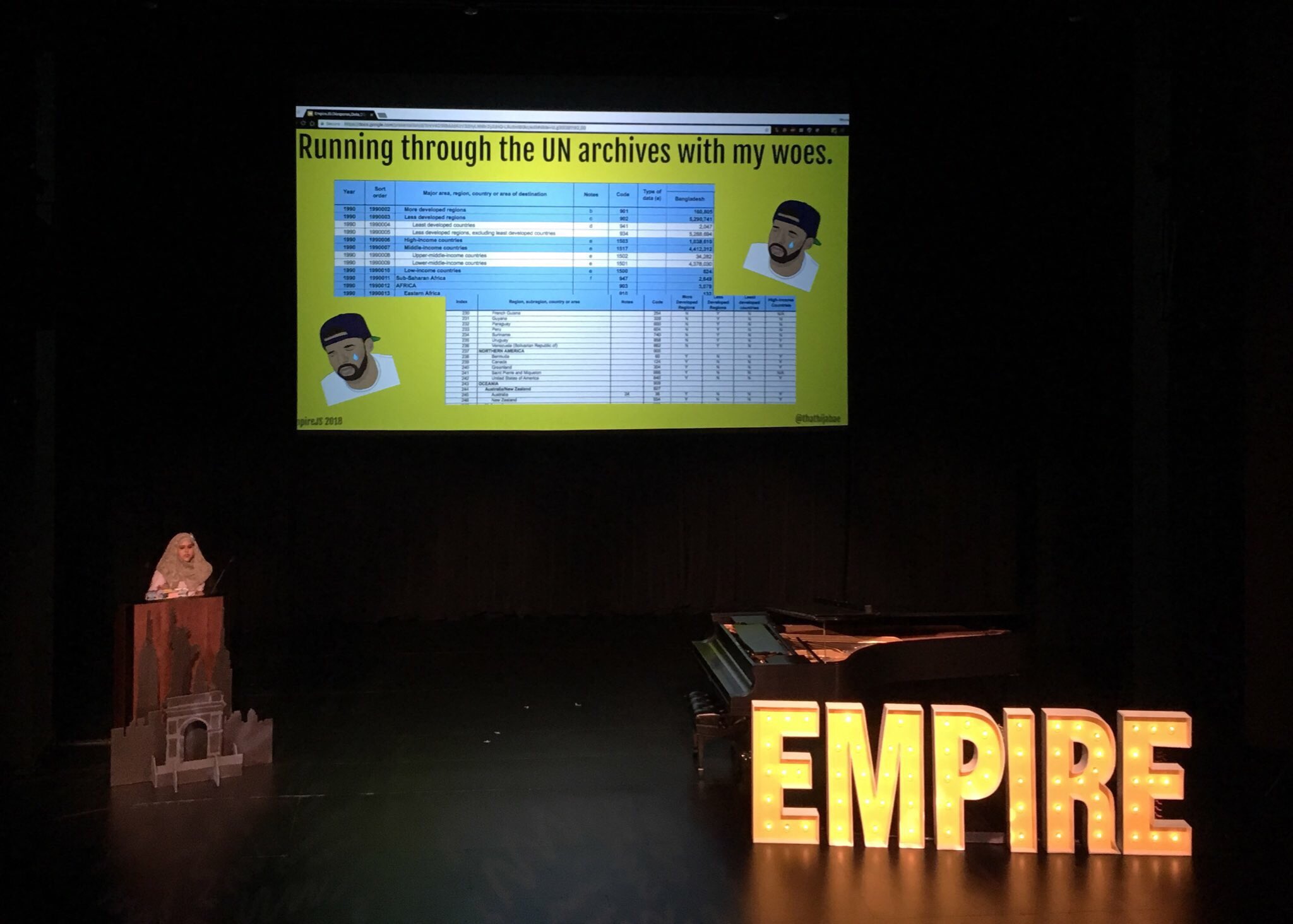
.@thathijabae just mapped out the problems with getting population data for migrant communities (1000 line spreadsheets!) and how she learned to use d3 to visualize it 🌏 #empirejs
1
2
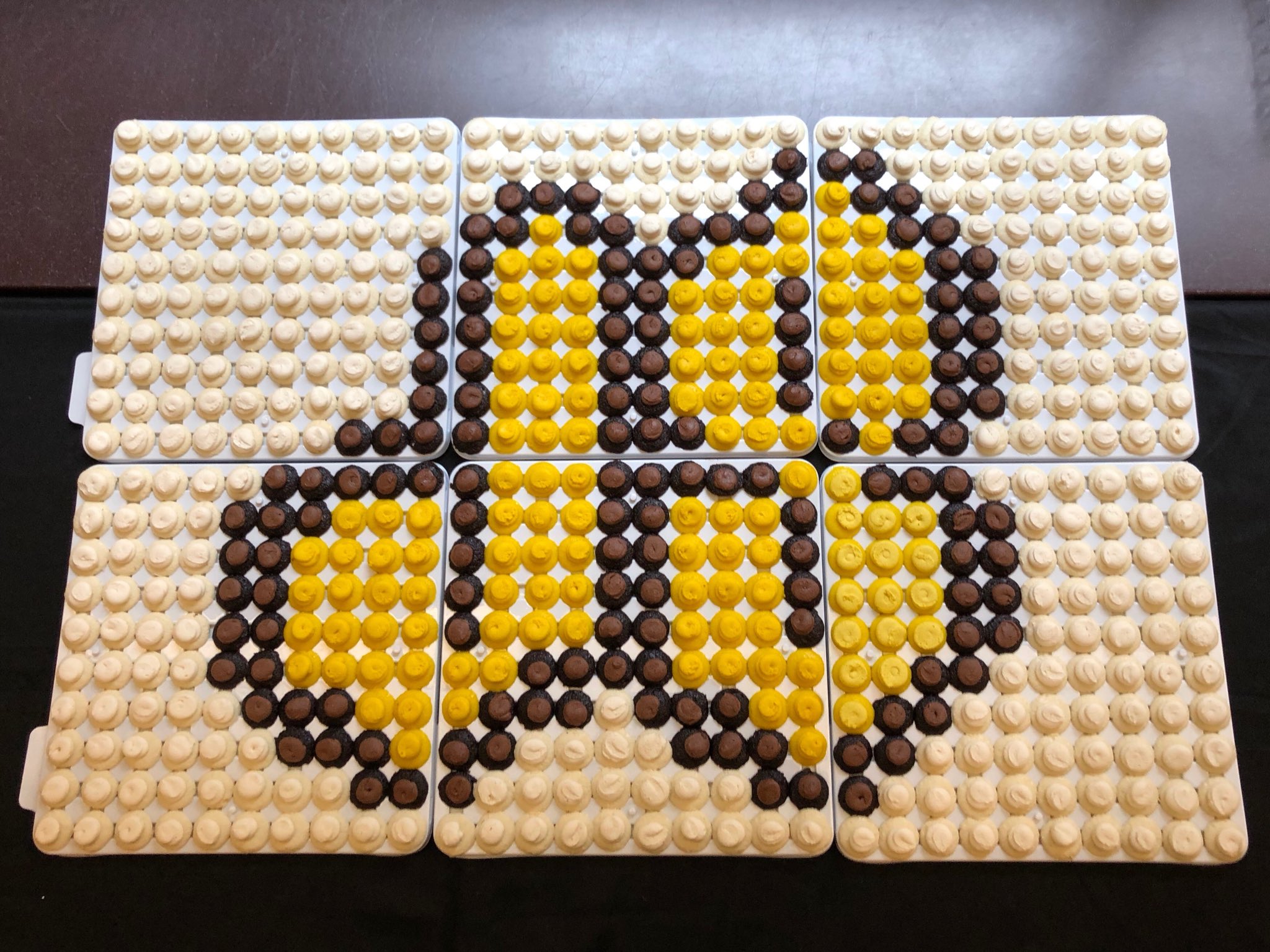
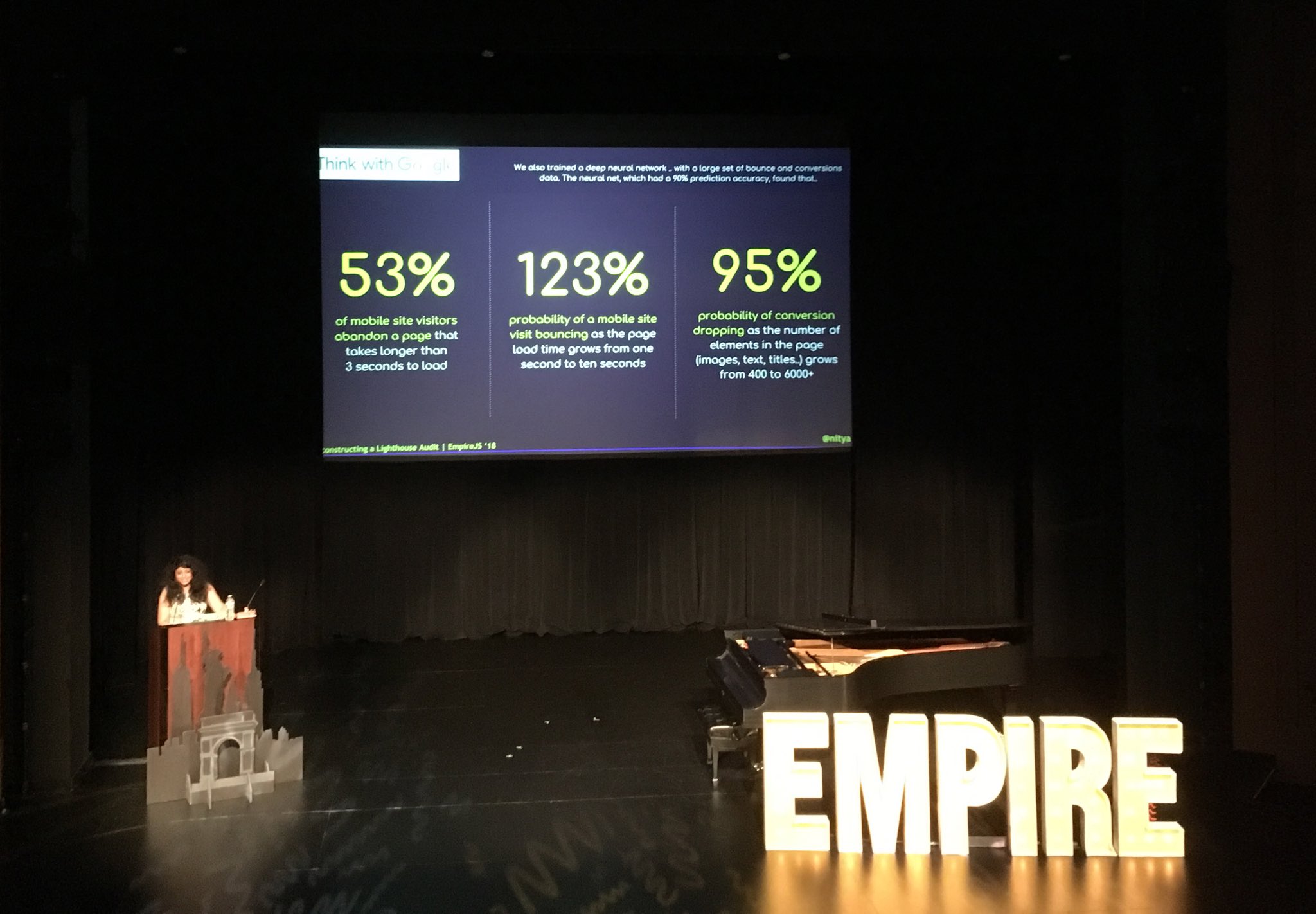
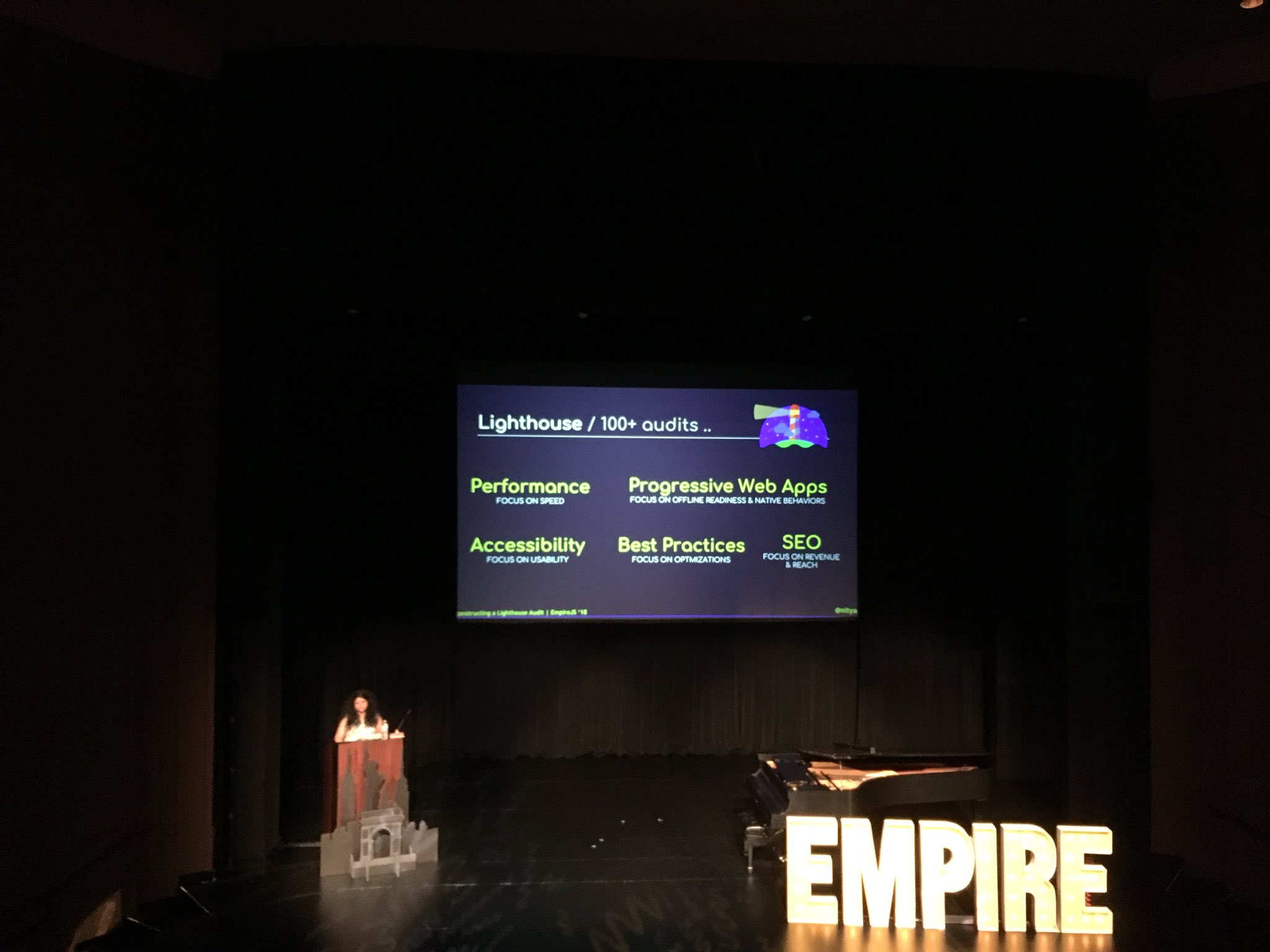
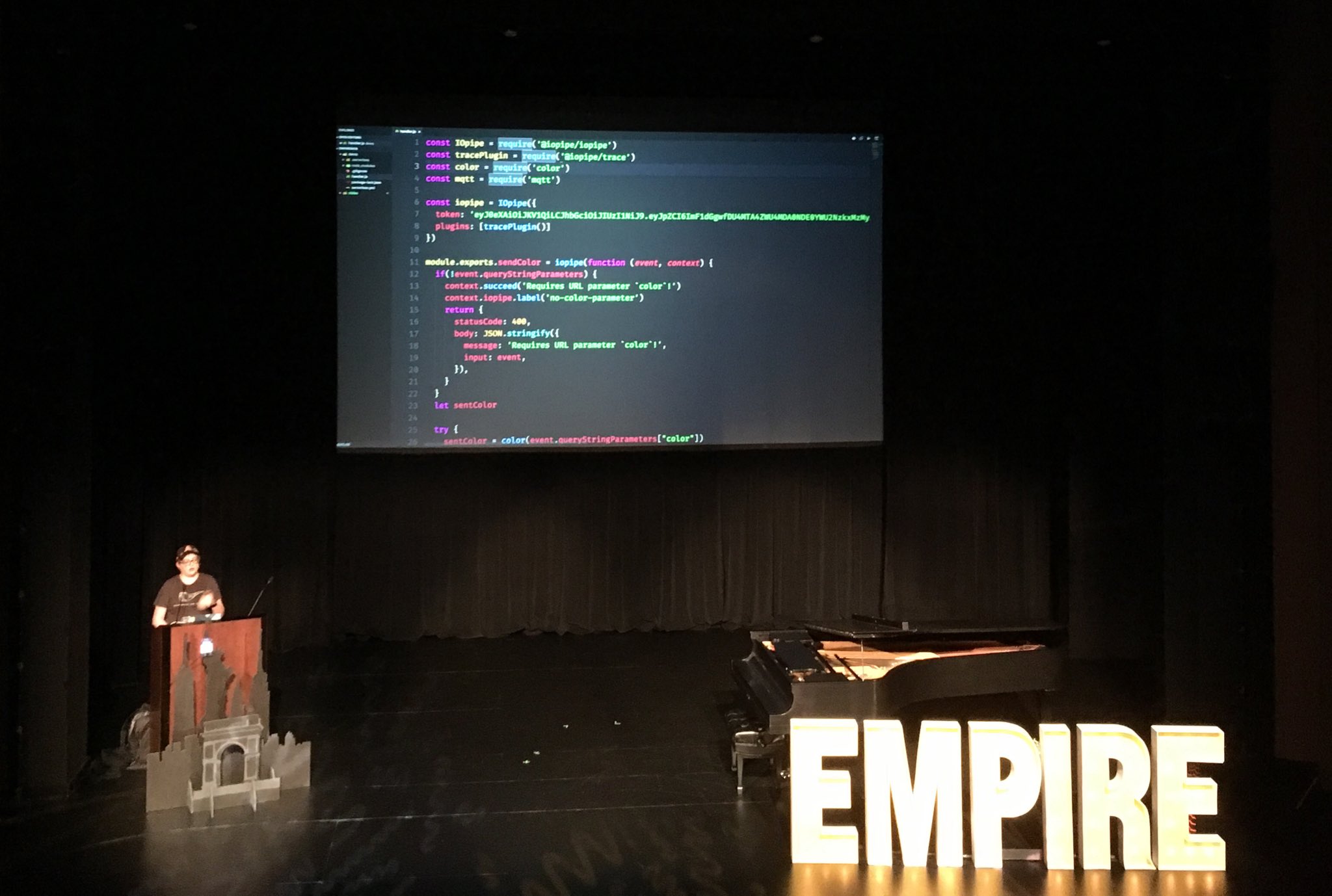
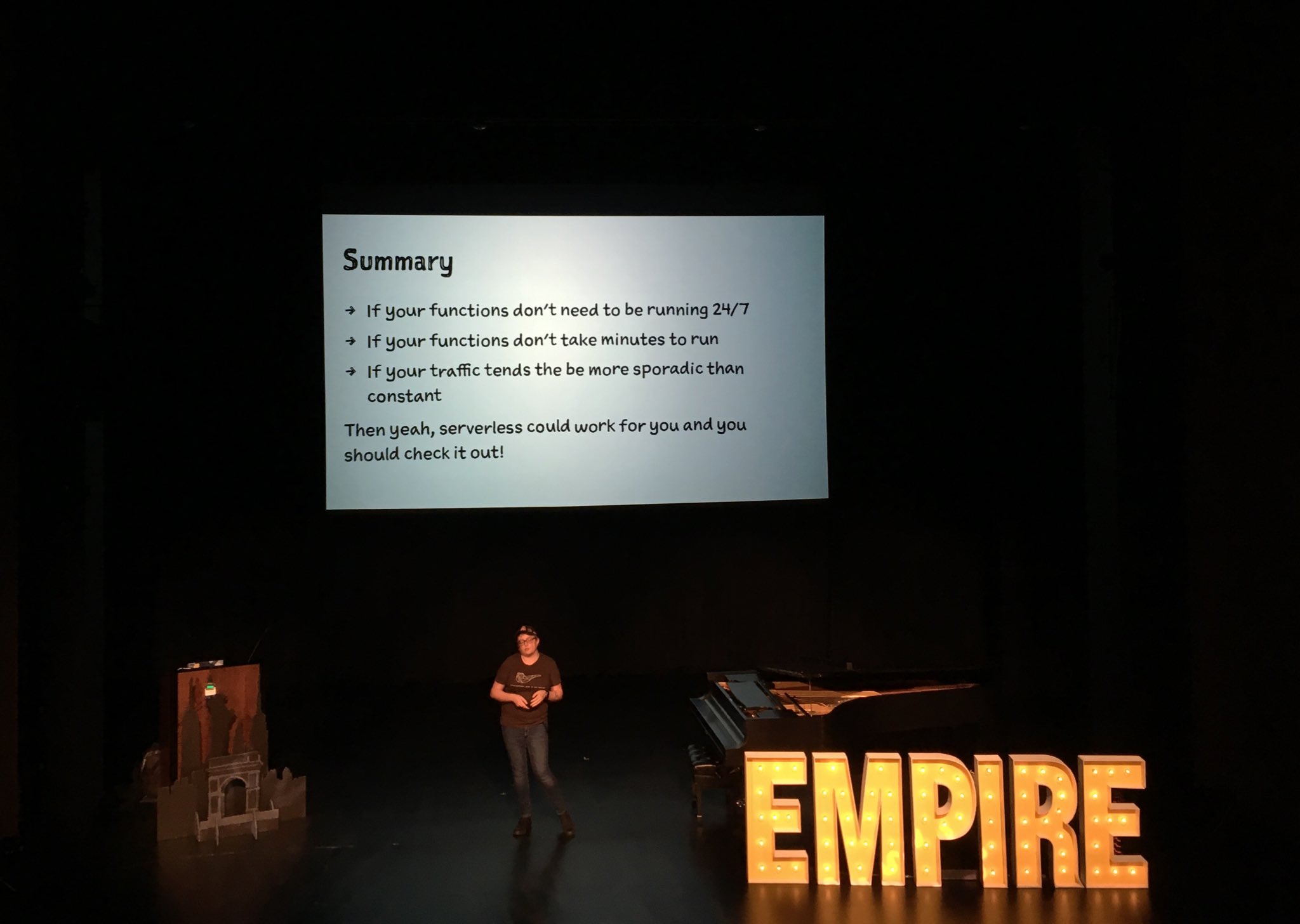
Back after lunch, we have @nodebotanist serving up a v animated talk on what serverless is and why IoT is a perfect application for it 🤖#EmpireJS
1
5
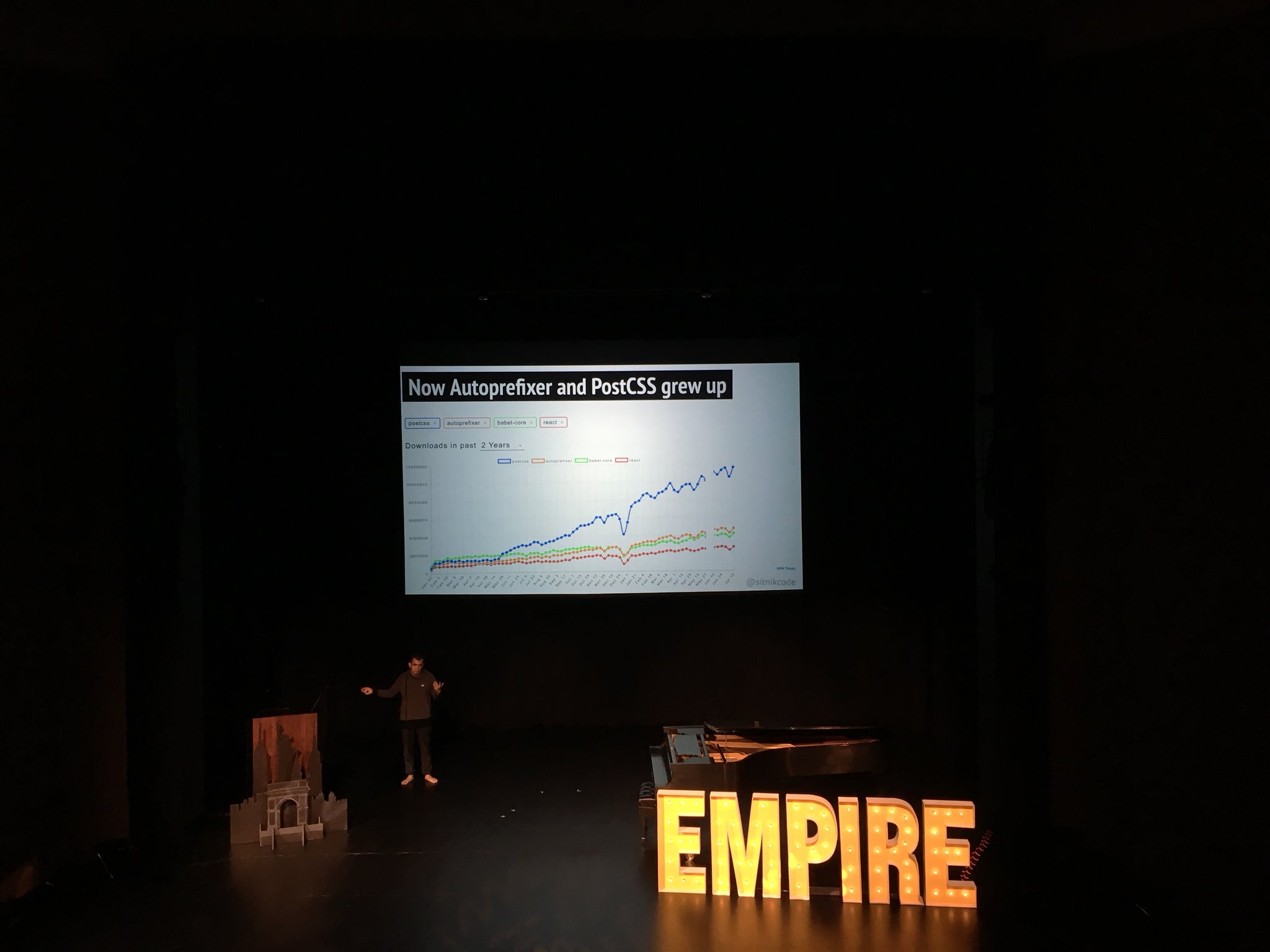
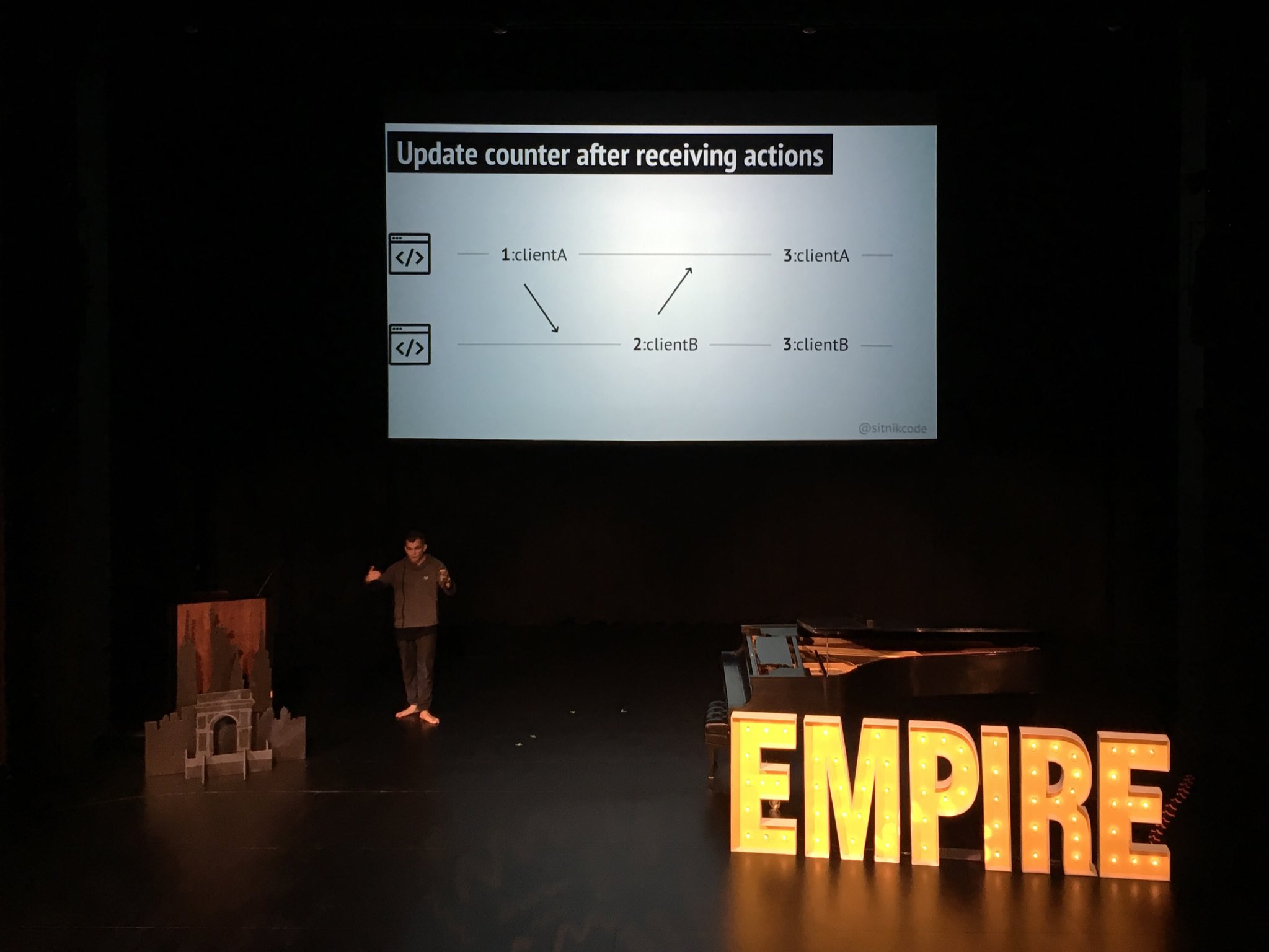
Last talk before lunch period! @sitnikcode is showing us how to build the most quintessential of demo apps, a todo app, by using a CRDT (conflict-free replicated data type) ☑️ #empirejs
3
4
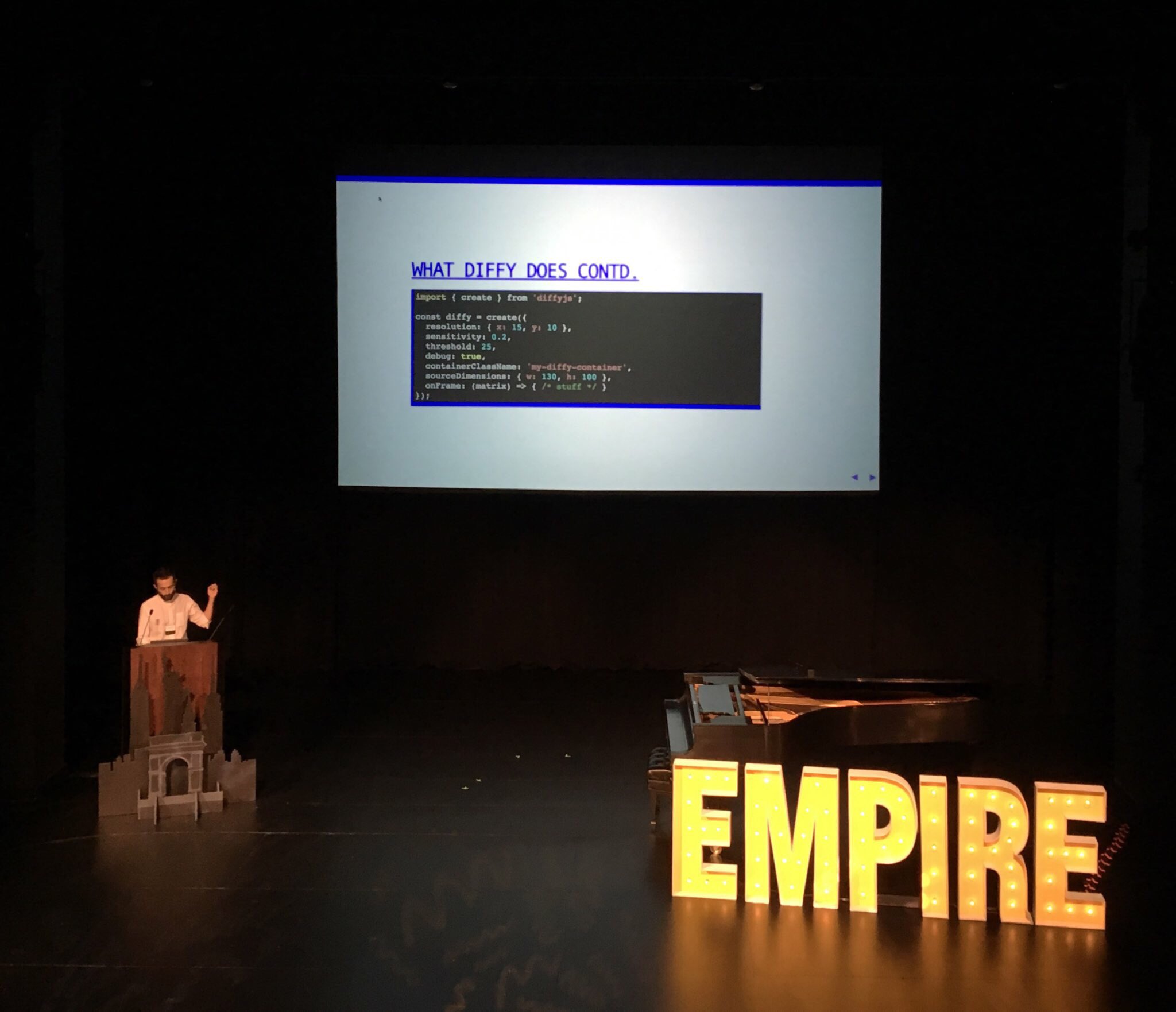
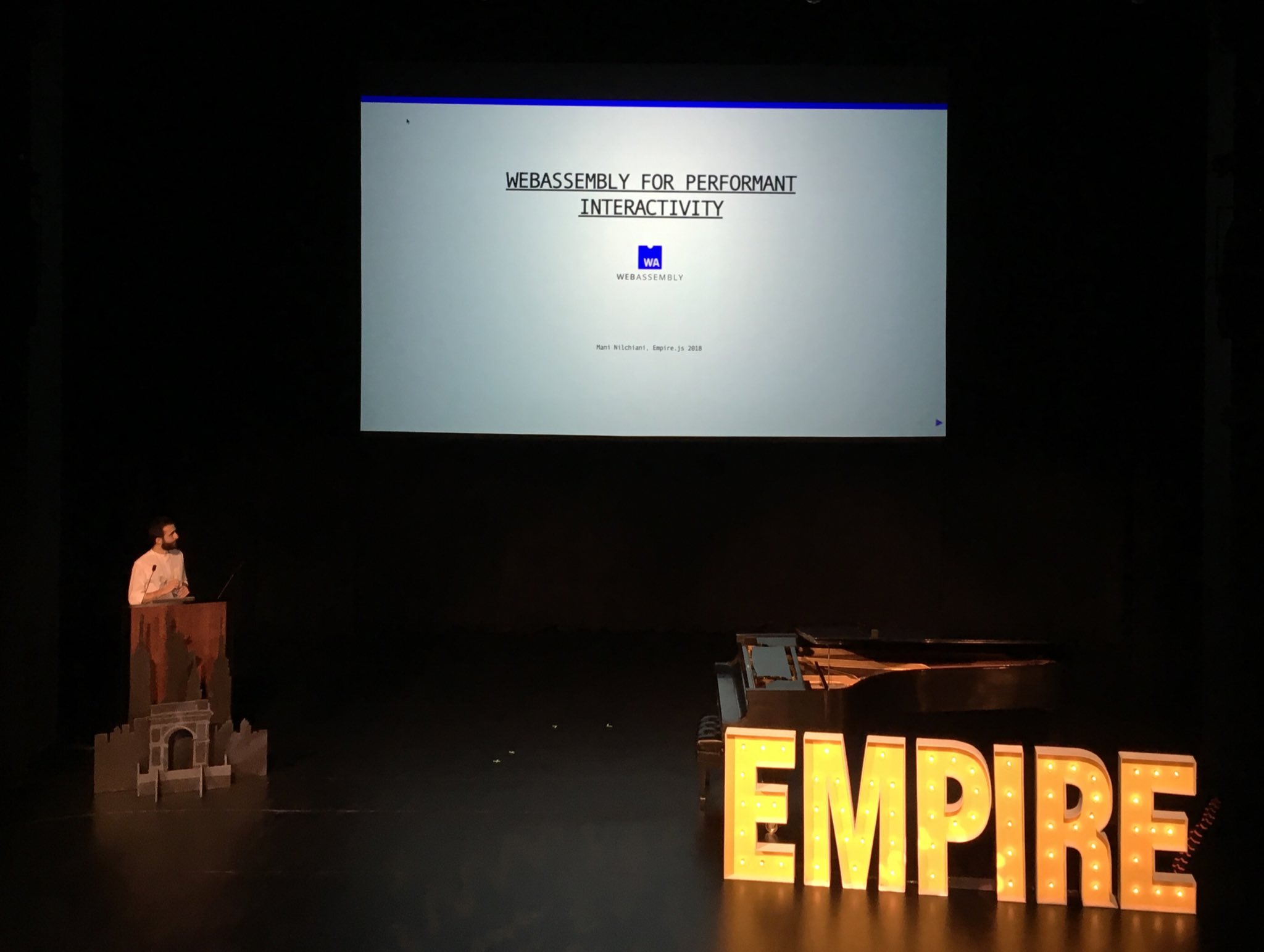
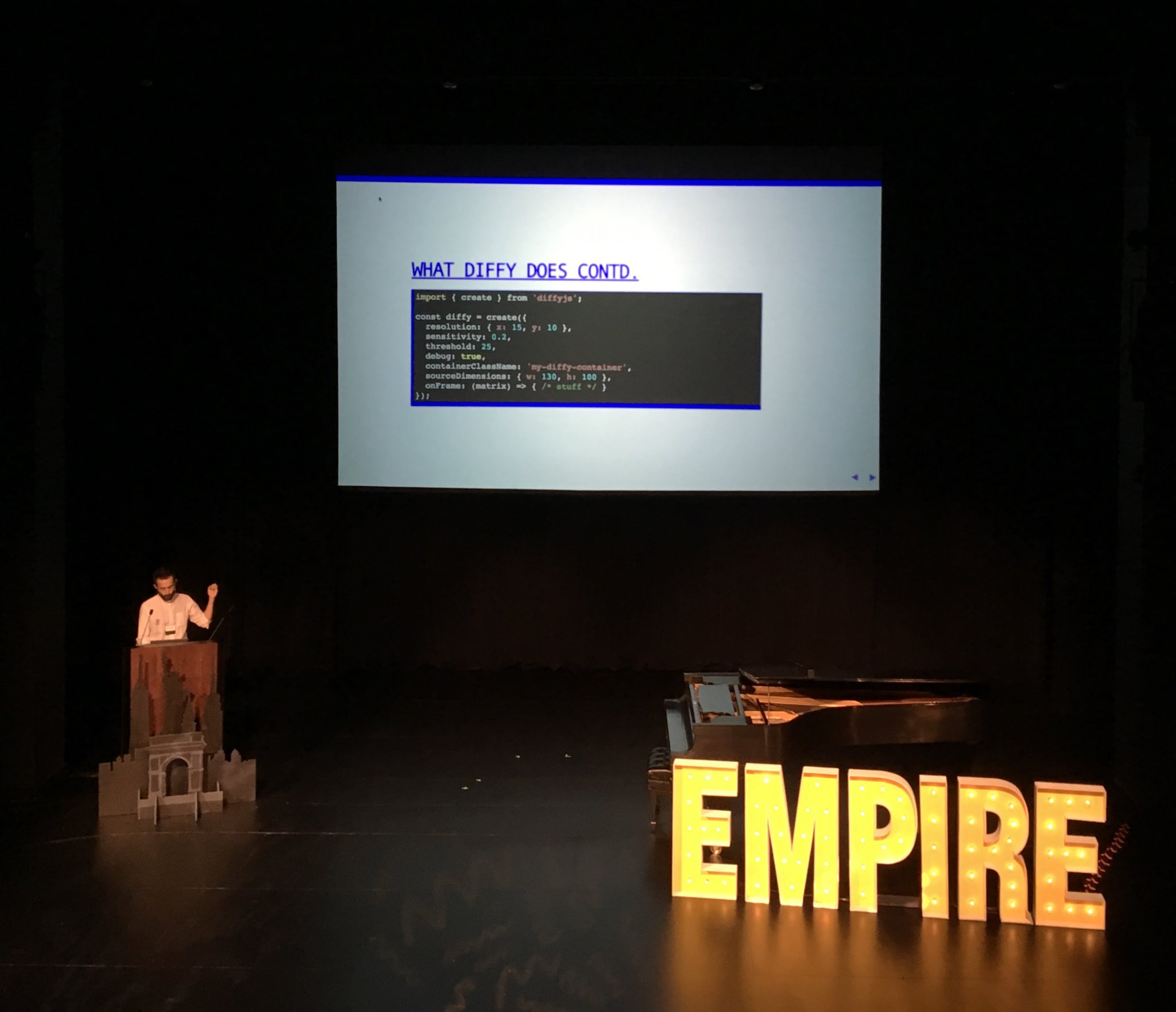
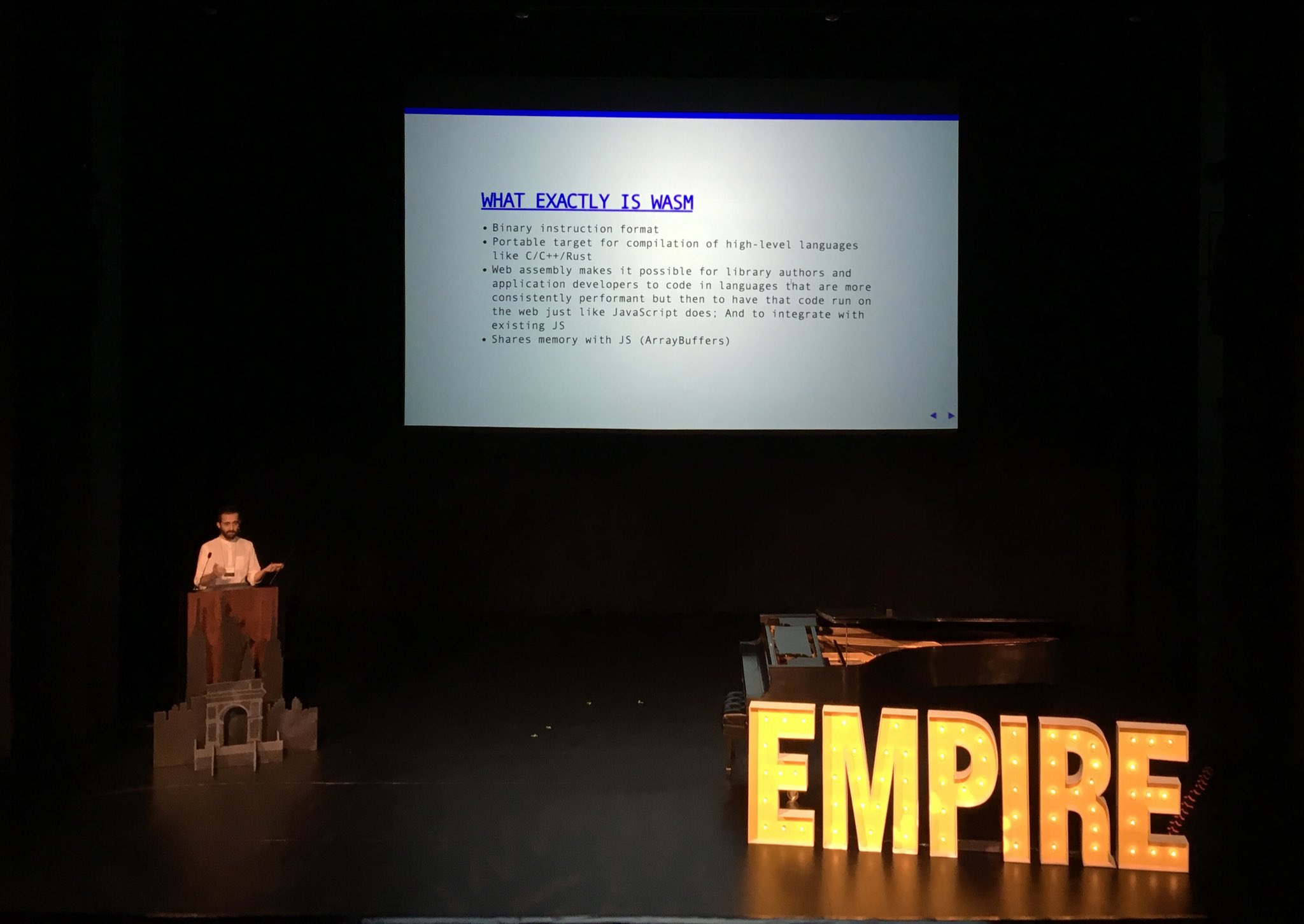
We learned so much from @maninilchiani’s talk on his journey to try to port his work on Diffy.js to WASM (including but not limited to what is wasm anyway?) 💫 #empirejs
EmpireJS retweeted

Thank you so much to @empirejs for having me out to talk about the history of tech workers’ organizing. For those curious I’ve made my slide deck public here docs.google.com/presentation…
2
18
36
EmpireJS retweeted

You can find the slides for my talk #JavaScript Diversity on why the variety of #JS is the spice of your developer life at jessica-jordan.github.io/var… ⚛💚🐹🛡💻 #EmpireJS
1
9
21
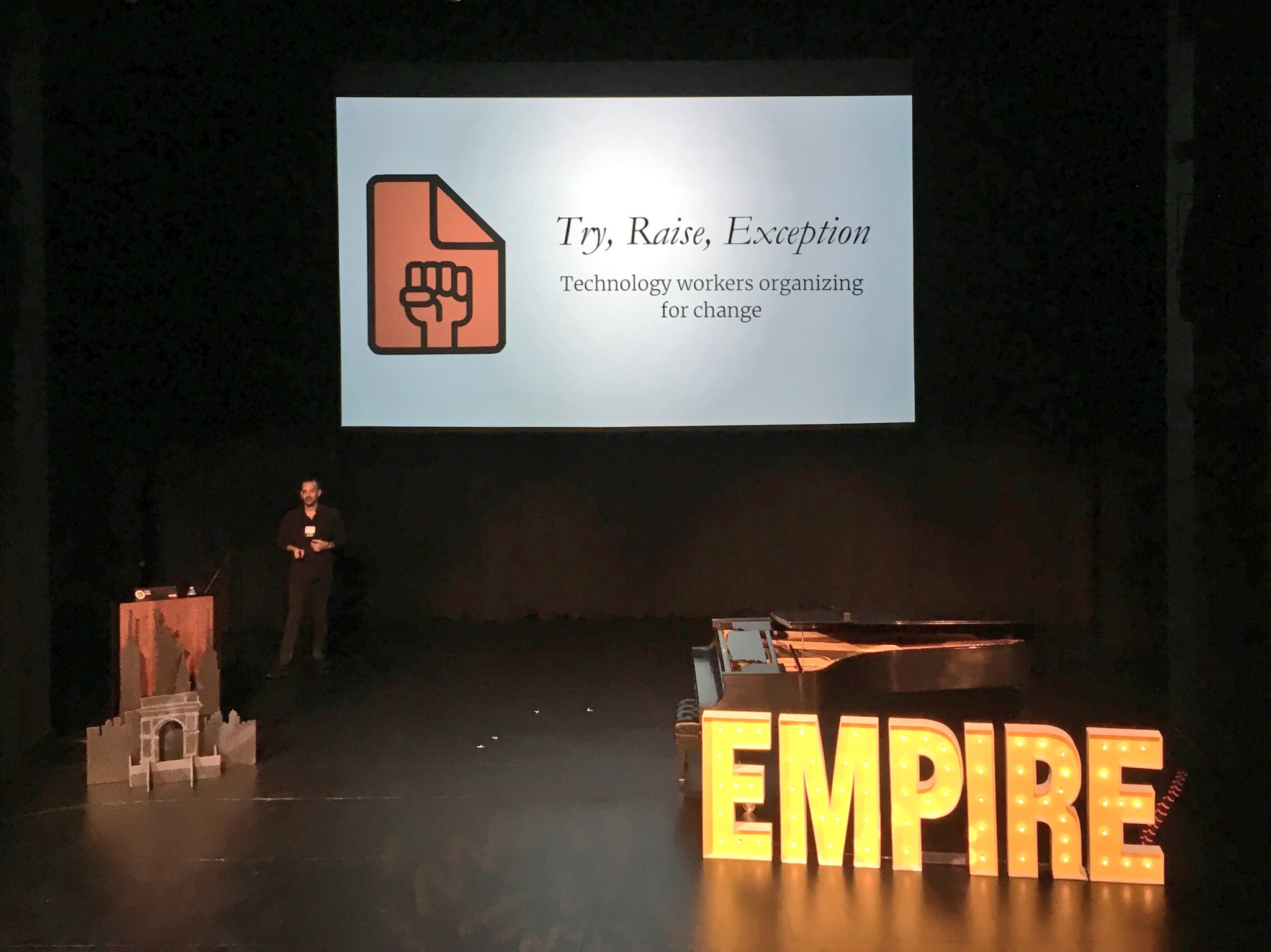
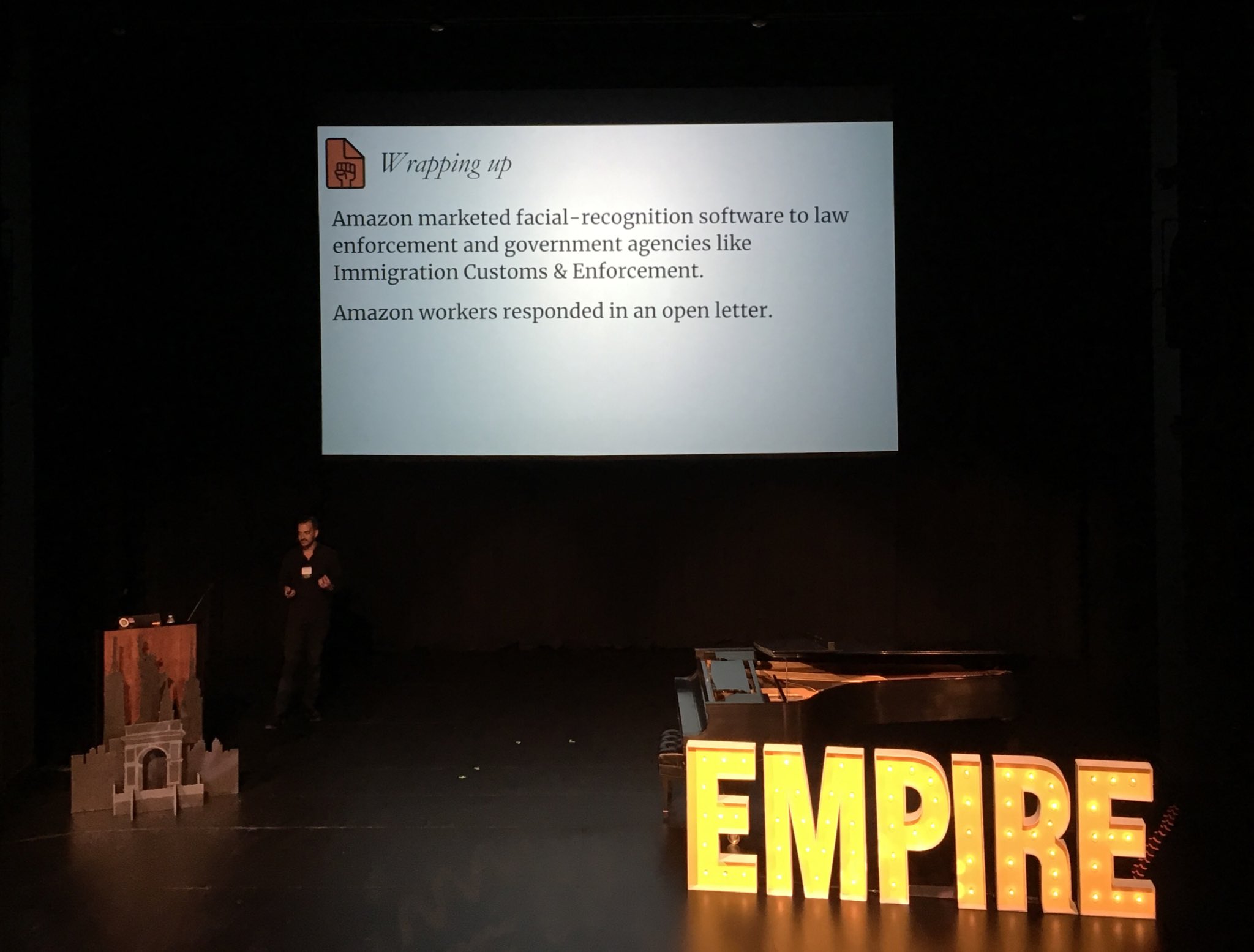
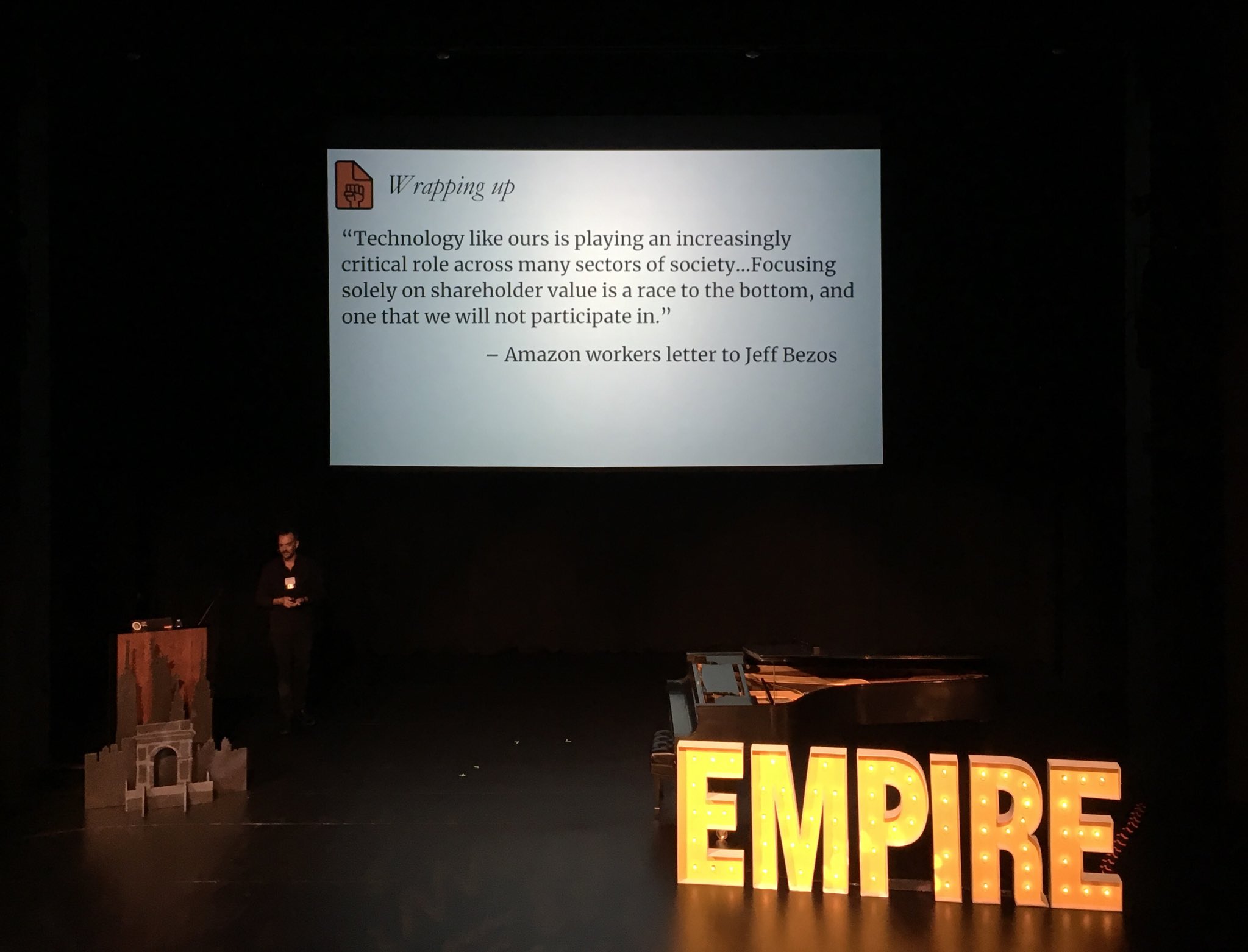
We’re all fired up from the points @ughitsaaron raised about the legacy of tech and tech workers participating in and resisting injustice in their companies, communities, and beyond 💪🏼 #empirejs
1
3
3
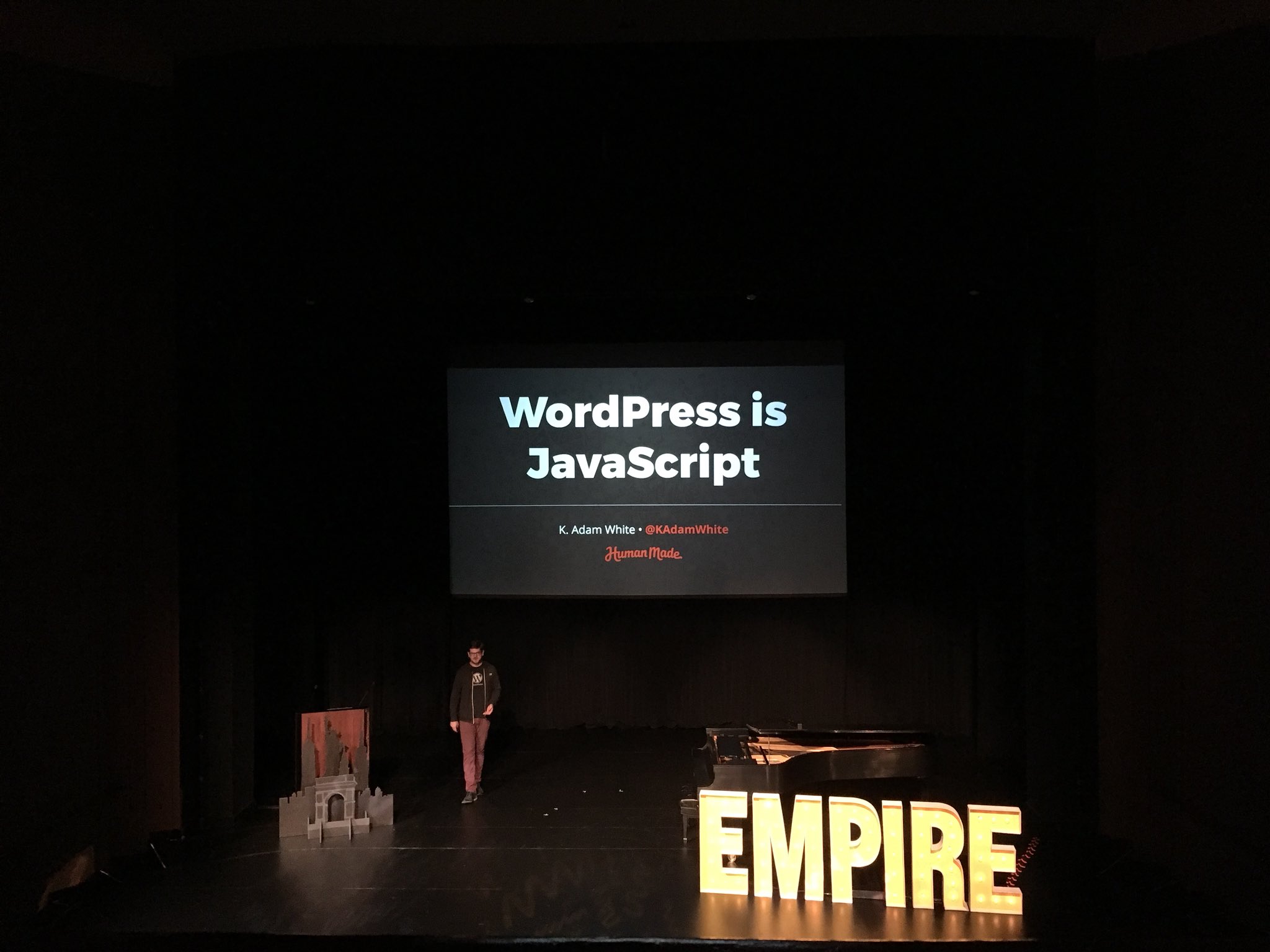
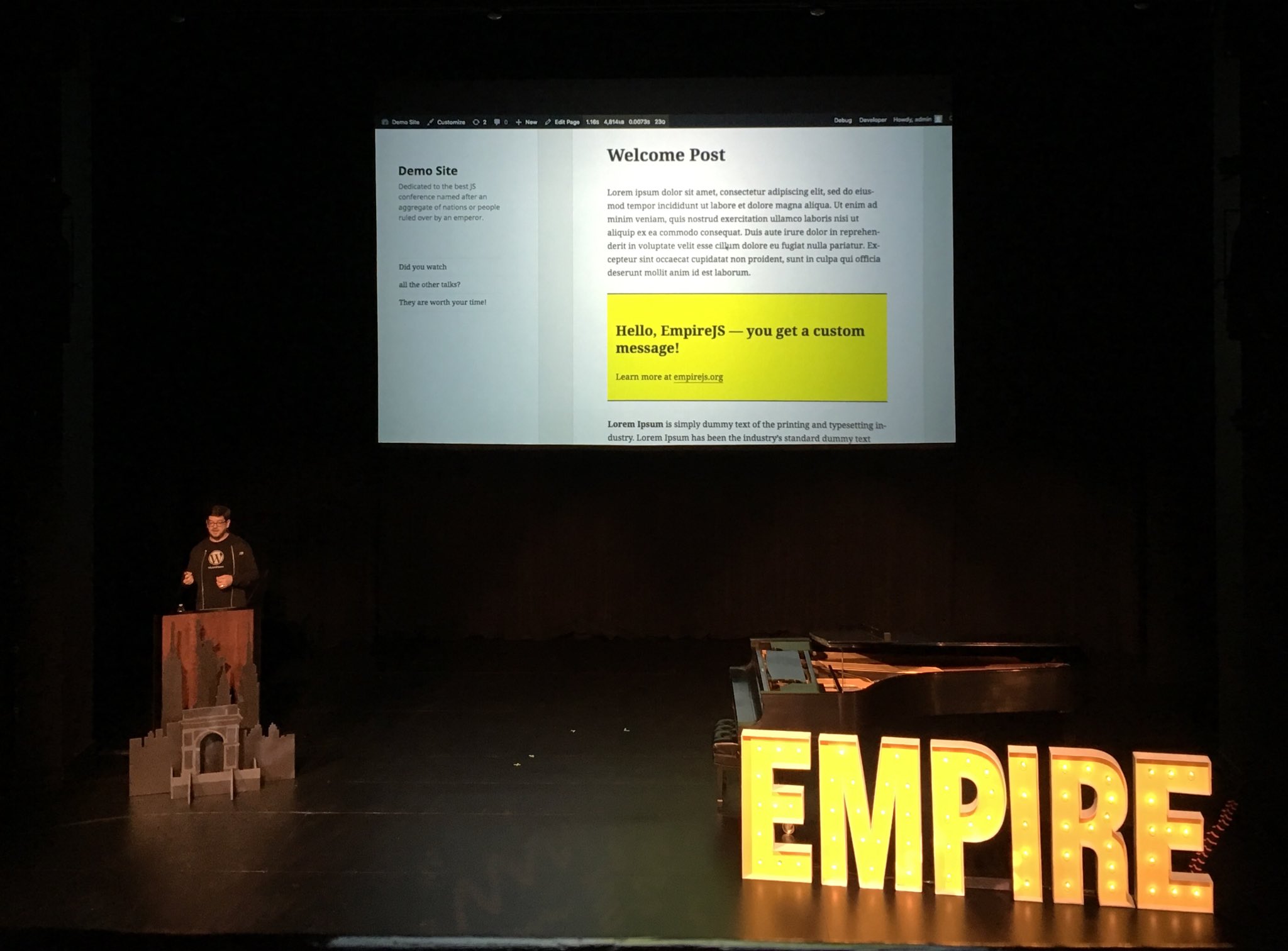
Now @kadamwhite is im-pressing us with his words on how WordPress adopted JavaScript in their Project Gutenberg, taking into account the needs of their developer base 🗞 #empirejs
1
4
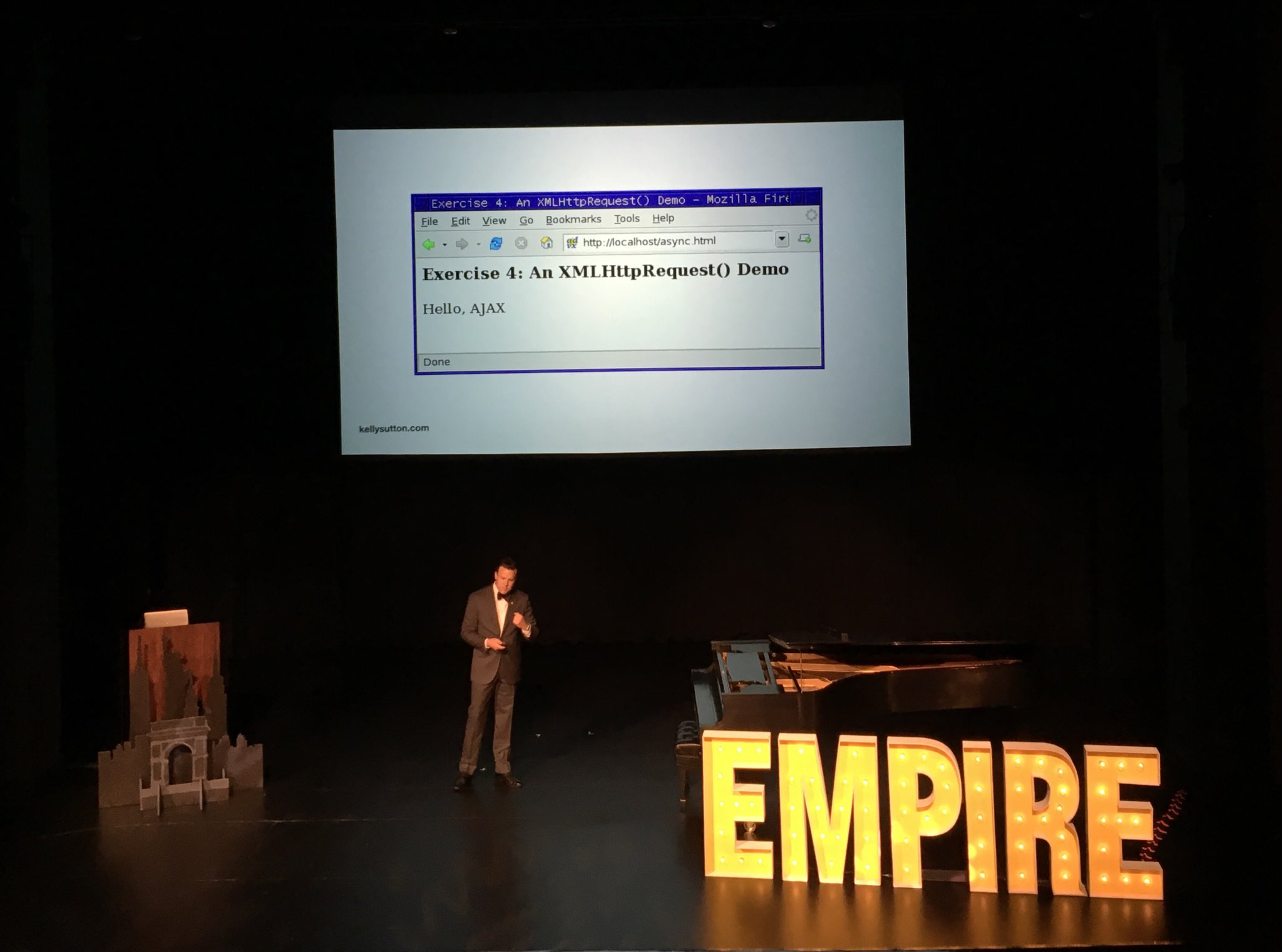
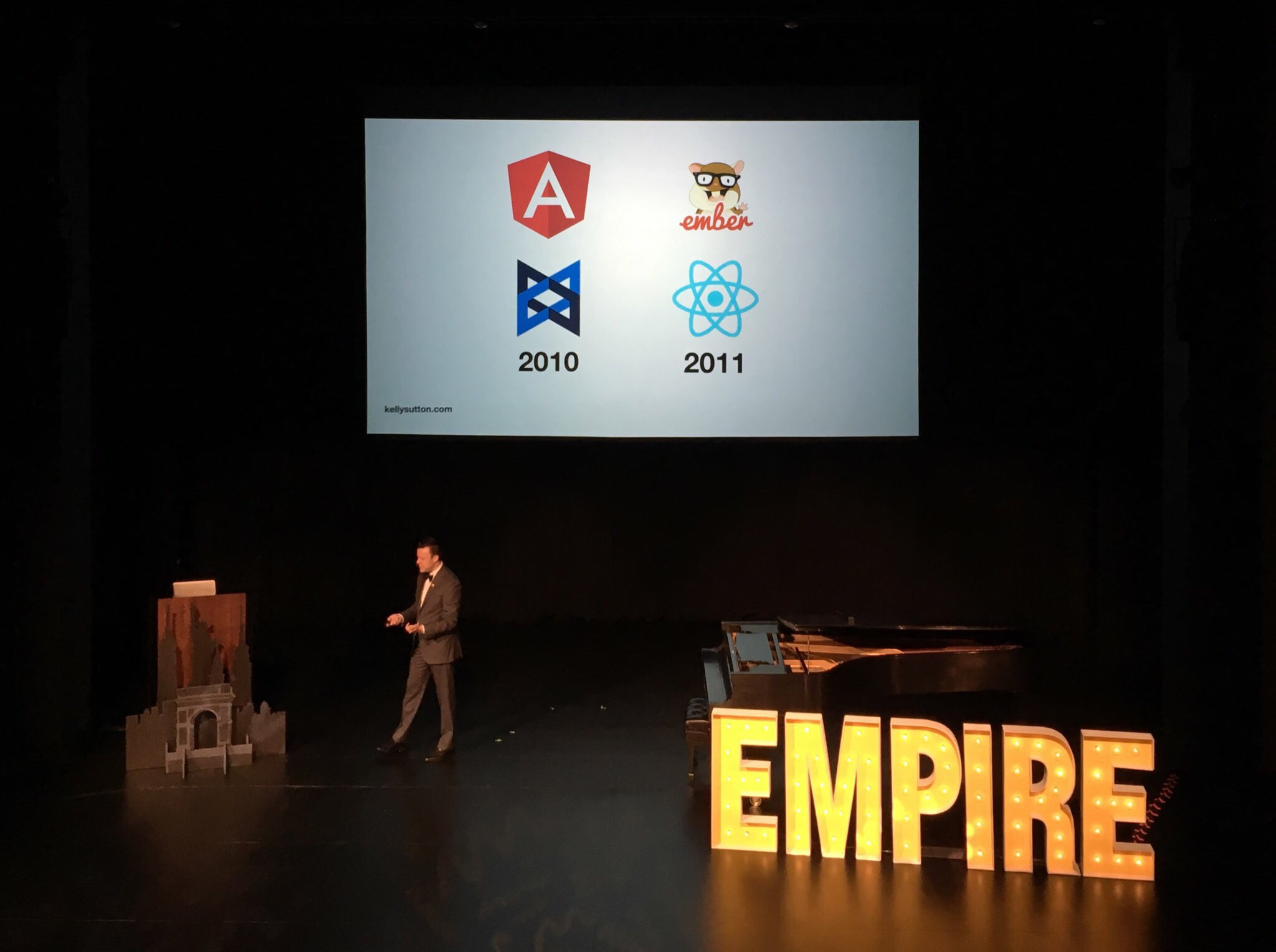
Kicking us off for day 2, we have @KellySutton bringing us back to history class with a lesson on how web development came to be what it is today, from programming computers of the 70s to the advent of JavaScript to Webpack 🔜 #empirejs
1
1