

















RT @IAPonomarenko: Makariv, the Kyiv region…. the entire small town neighborhood wiped out.
Russia can’t defeat Ukraine on battlefields so…
2,219
Jānis Līgats retweeted

In today's Vatnik Soup, I'll discuss extensively why the West is losing the information war. The format is a bit different from earlier ones, but here goes:
The West is losing the information war
Countries like Russia and China have spent years turning disinformation into a central pillar of statecraft. They don’t just lie—they lie loudly, constantly, and across every available platform. They’ve mastered the art of sowing confusion, undermining trust, and deepening political divides inside democratic societies. This isn’t done by accident—it’s done through well-funded, highly coordinated campaigns that blend state media, covert troll farms, social media influencers, and manipulated algorithms.
At the same time, they maintain an iron grip on their own information environments. In Russia, independent media is silenced, dissenters are jailed, and the internet is censored through so-called “sovereign” infrastructure that can block or throttle unwanted content. In China, the state filters all online speech through the Great Firewall, bans platforms like YouTube and Twitter, and floods domestic social media with tightly controlled propaganda. Algorithms are not tools for engagement—they are instruments of obedience.
That’s the key to their advantage: they control what their citizens see while exploiting the openness of our societies. We can’t inject truth into theirs—but they can inject lies into ours. Their disinformation can reach our phones in seconds, while our facts can’t even get past their digital borders. It’s a deeply asymmetrical fight, where authoritarian states operate with speed, scale, and impunity—while democracies struggle to respond without undermining our own values of free speech and transparency.
These regimes don’t wait around for approval. They don’t worry about press freedom or public debate. If they want to launch an influence campaign, they do it—quickly and quietly. They have entire networks producing and spreading their messages in dozens of languages, 24/7.
Worse still, they’ve gotten very good at grabbing attention. They use social media superspreaders, conspiracy influencers, and flashy TikTok videos to package their propaganda into something that feels exciting, rebellious, or funny—even when it’s completely false. They tell simple, emotionally charged stories that spread like wildfire. And all this is supercharged with AI.
And what do we counter that with? Dry press releases from EU officials. Long reports. Monotone statements from diplomats. Detailed debunking articles hidden behind paywalls, or buried deep in PDF reports that almost no one reads. Good intentions—delivered with all the flair of a tax form. Most of it never reaches the people actually being targeted by disinformation. It’s not that we don’t have the facts—it’s that we’re terrible at making people care about them.
Meanwhile, the information battlefield has already shifted. In Finland, half of teenagers between 13 and 18 now get their news from TikTok. And it’s not just influencers and entertainment—even North Korea is now publishing propaganda on the platform. That’s the level of reach and adaptability we’re up against. Authoritarian regimes are speaking directly to the next generation, using their language and their media. And we’re still whispering from behind paywalls and official podiums.
We’ve already seen how devastating information warfare can be when left unchecked. In January 2014, 60% of Russians had a positive view of Ukrainians. Then the Kremlin launched a relentless defamation campaign on national TV and social media—painting Ukrainians as Nazis, traitors, or puppets of the West. By 2015, the numbers had flipped: 60% of Russians now had a negative view of Ukrainians. This is how propaganda works. And when you control the entire information ecosystem, it works terrifyingly well.
But at the same time, Ukraine learned to fight back. Since 2014, and especially after Russia’s full-scale invasion in 2022, Ukrainians have treated information like a front line. They’ve built partnerships between government, civil society, and creative communities. They’ve used humor, memes, music, and viral videos to expose lies and boost morale. They work around the clock—not because it’s trendy, but because they understand just how destructive these manipulation campaigns can be. In Ukraine, disinformation isn’t an abstract threat—it’s a weapon that softens targets before the bombs fall.
Take Russia: it’s spending nearly $2 billion a year on state propaganda. China’s media operations are even more extensive and opaque. Meanwhile, the European Union is spending a tiny fraction of that trying to defend the truth.
It’s not just about money—it’s about mindset. We’ve been playing defense, trying to fact-check lies after they’ve gone viral. That’s not enough. We need to get ahead of the problem.
And we can’t just focus on short-term fixes. Both Russia and China plan their information strategies decades ahead—and we should too. That means giving more resources and support to modern media creators—influencers, podcasters, digital artists, futurists, analysts, visionaries. These are the people shaping how millions think and feel. We need to invest in the platforms, voices, and formats that actually reach people today.
We also need to build long-term resilience. We need to build a vaccine against online disinformation. And that vaccine is education.
That means warning people before the lies start spreading. It means teaching media literacy in schools, so young people know how to spot manipulation. It means putting clear, truthful, engaging content in the places where people actually spend time—YouTube, TikTok, Instagram—not hiding it away on obscure government and EU websites.
But defense alone won’t win this war. We must take the fight to the adversary’s doorstep. Authoritarian regimes have real vulnerabilities—corruption, repression, inequality, and elite hypocrisy. These are pressure points we should be targeting with truth-based messaging that empowers dissent, exposes abuse, and undermines their control over public perception. This isn’t about regime change—it’s about using facts to challenge the myths they rely on to stay in power. Just like they exploit our openness, we must be willing to expose their rot.
This isn’t about copying authoritarian tactics. It’s about defending the values we care about—freedom, transparency, democracy—with creative and bold strategies.
Do we really need to wait until Russia is sending drones and troops across our borders to finally take this seriously?
The information war is here. We don’t get to choose whether we’re part of it. But we can choose to stop losing.
260
2,286
7,161
629,339
Jānis Līgats retweeted

Fidias has been amplifying insane Kremlin propaganda for months, so I confronted him.
🚨 He said abducted Ukranian children are happy in russia
🚨 He refused to answer why he is putting out lies
He got angry
This is a mask off moment
2,269
5,040
26,927
2,535,919

Jānis Līgats retweeted

I’m starting to think the guy who’s selling his own crypto currency as President and is taking $400 Million jumbo jets from foreign countries might be corrupt…
3,212
4,171
44,822
1,159,623
Jānis Līgats retweeted

Robert Fico came to Moscow to pay homage to the man who killed thousands of Ukrainians and who threatens Europe with war every week.
434
1,049
5,068
94,931
Jānis Līgats retweeted

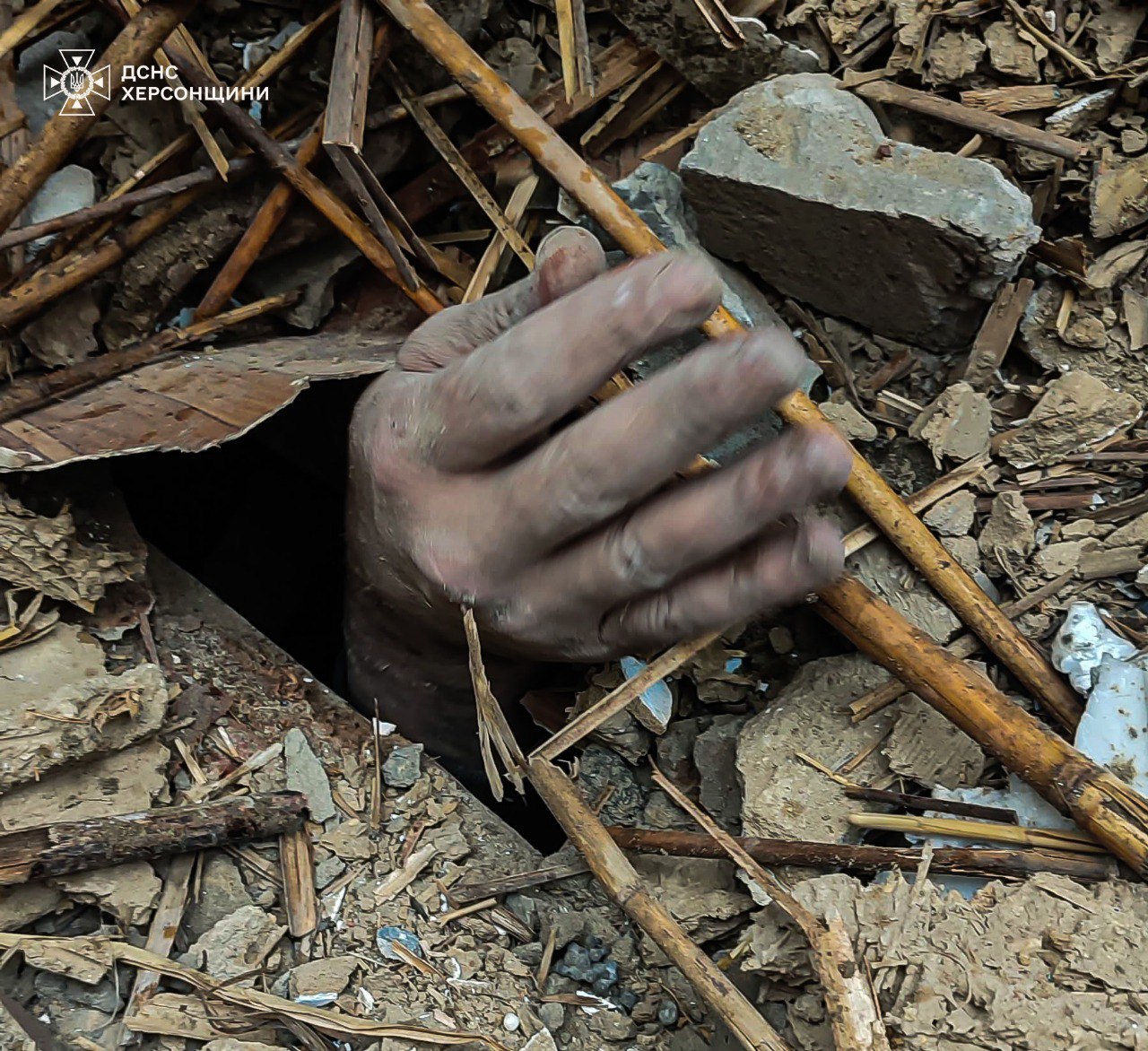
Early this morning in Kherson, first responders saved a man from under the rubble. They got notified that there was someone under the debris showing signs of life. The rescuers worked despite difficult conditions and the threat of a double tap. The man now gets medical treatment.
86
1,359
5,545
52,390
Jānis Līgats retweeted

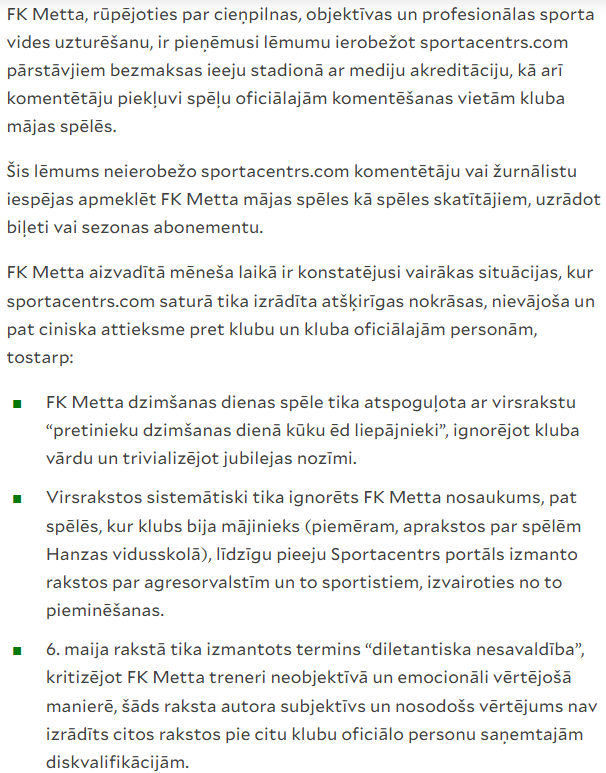
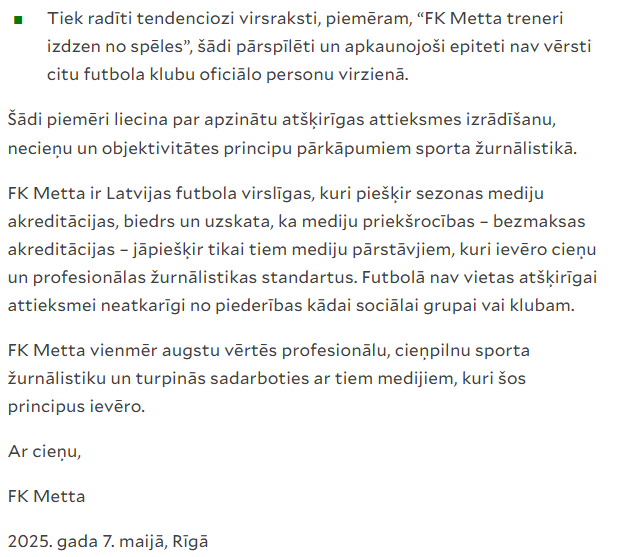
Mettiešus izsenis dēvē par studentiem, bet daži drīzāk būtu jāsauc par bērnudārzniekiem. Kaut gan - tas būtu aizvainojums bērnudārzniekiem.
Žēl, ka brīnišķīgas un sabiedriski vajadzīgas organizācijas tēlu gadiem grauj divu cilvēku pilnīgs paškritikas un mediju izpratnes trūkums
4
5
80
11,326
Jānis Līgats retweeted

Harvard ain’t playin’…
Trump’s secretary of education, Linda Mahon, sent them a letter and they marked up all of the grammatical errors. 😆😆😆
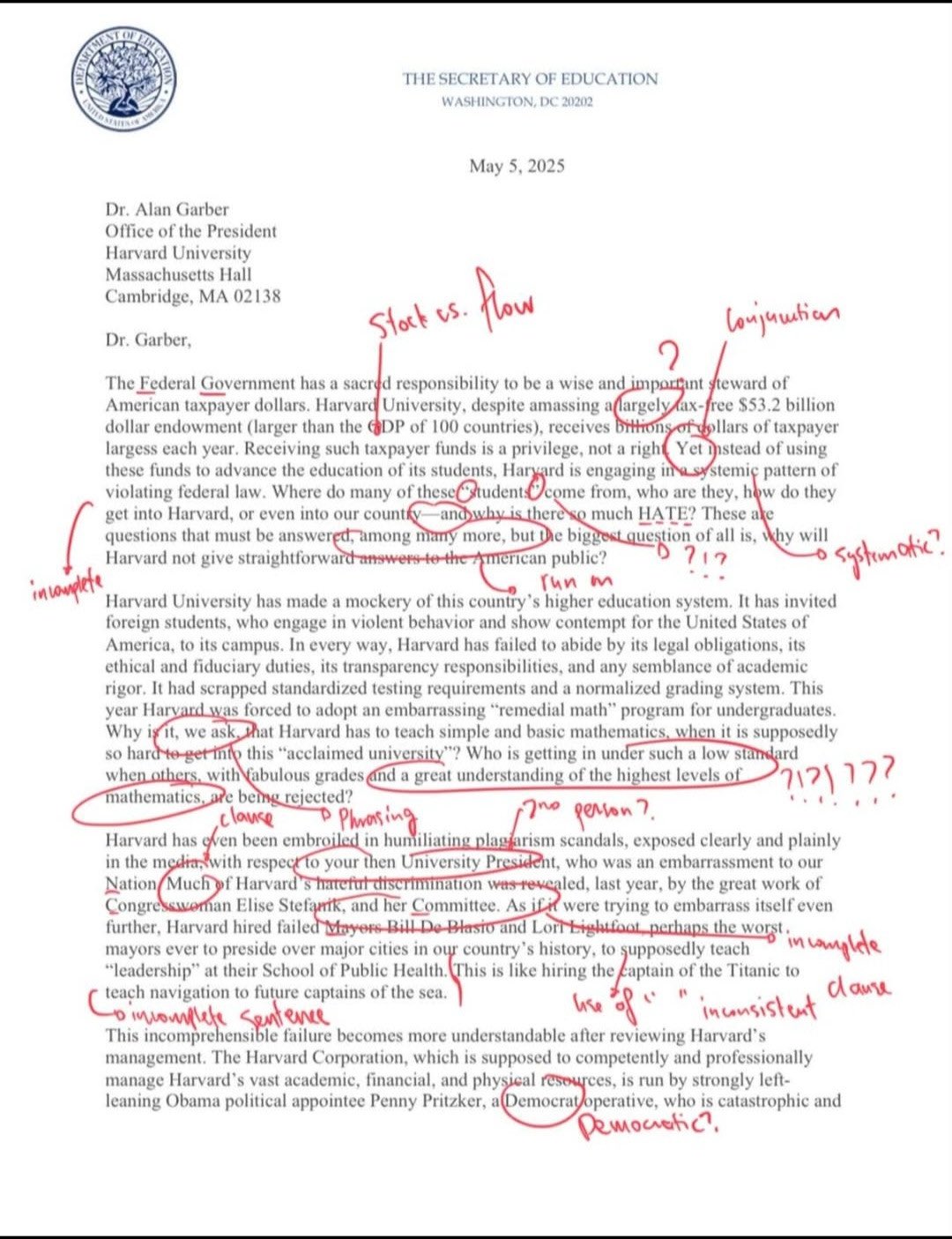
Community note
The markup of the Secretary of Education’s letter was made by user @danielluo_pi and is not an official response by Harvard.
Original post: x.com/danielluo_pi/s…
2,583
6,781
31,442
2,322,224
Jānis Līgats retweeted

Trump: "I love Canada. I have a lot of respect for the Canadians...You happen to have a very, very good hockey player right here on the Capitals, he is a big tough cookie too, just broke the record."
Alex Ovechkin is Russian.
837
2,629
23,632
2,571,037
Jānis Līgats retweeted

Pēc 11 gadiem futbola žurnālistikā pirmo reizi saņēmu aizliegumu apmeklēt stadionu. Paldies, @FSMETTA un @girtsmihelsons ✍️
30
17
172
62,512
Kolektīvās atmiņas neesamība Latvijā uzskatāmā veidā. Citā sabiedrībā šādam AŠ sen tiktu ierādīta vieta 🗑, bet pie mums joprojām ir pērkamu aitu, teiktu, bariem, kuras neredz ne tālāk, ne dziļāk.
3
266
Jānis Līgats retweeted

Cik paši būsim stipri, tik stipra būs arī mūsu Latvija. Sveicam jūs svētkos, draugi 🙌🏻
#StāvPāriVisamLatvija 🇱🇻1
2
13
715
Jānis Līgats retweeted

Russians: *bomb Ukrainian civilians on Christmas, Easter, Chanukah, Eid, New Year’s, Armistice Day, Groundhog Day, yesterday, today, every day since 3+ years*
Also Russians: Ukraine please don’t shoot during our military parade! Let us glorify how we kill you in peace 🙏
101
1,952
5,647
109,472
Jānis Līgats retweeted

⚡ Disclaimer: Disturbing content ahead
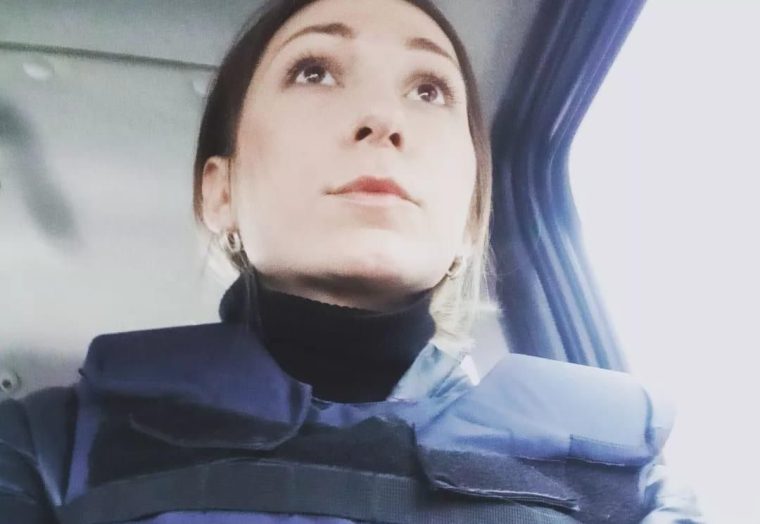
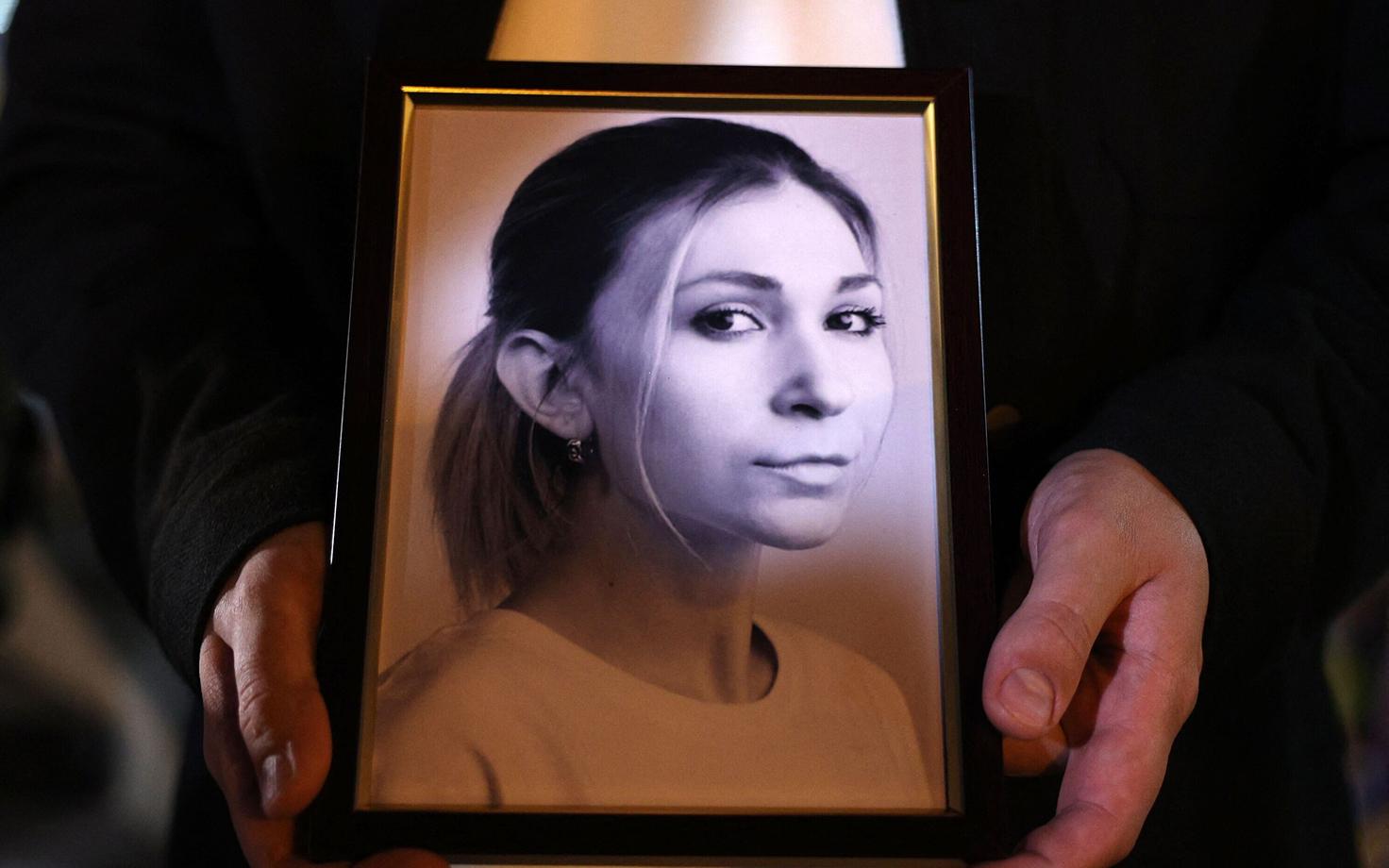
Ukrainian journalist Viktoria Roschina was tortured in Russian captivity. Her body, returned to Ukraine, was missing her eyes, brain, and part of her larynx.
Before sending her body back, Russia removed internal organs, possibly to conceal signs of torture. Experts confirmed signs of abuse: bruises, broken ribs, neck damage, and possible electric shock traces.
Roschina was captured in August 2023 while investigating FSB involvement in abductions in Zaporizhzhia. She was 27. Her body was identified in February 2025 as an "unidentified man" in a morgue.
648
4,575
12,484
1,195,122

Jānis Līgats retweeted

Putin is scared Ukrainian drones are going to disrupt his parade in Moscow...
826
1,481
15,781
447,287
Jānis Līgats retweeted

It's day 1160 of Russia's war to take Kyiv within 72 hours, and the Russian foreign minister demands security guarantees for Russia from Ukraine.
69
387
2,270
71,236