

Error Tracking and production debugging for your JavaScript web applications. Fast. Simple. Affordable.
→
- Tweets 2,891
- Following 385
- Followers 1,806
- Likes 1,020











TrackJS retweeted

How To Win At @trackjs - A Guide:
Don't write a lot of javascript.
Thank you for attending my seminar. Please like and subscribe.
2
10

JavaScript errors on every continent 🐞🐝🐜

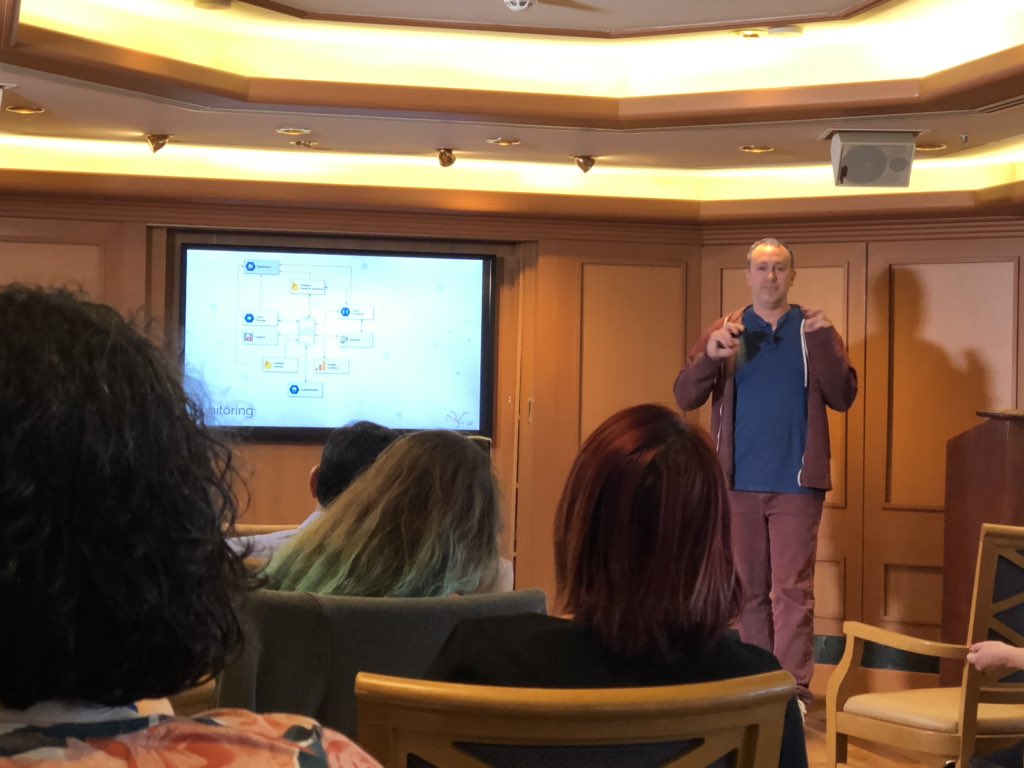
Shoutout to @toddhgardner and the team at @trackjs from @mrdowden today during his #techtalk at @AntarctiConf #antarcticonf
The last TrackJS board meeting at the Happy Gnome. It's a part of our history, going to miss it. @TheHappyGnomeMN

1
6
A few months back, @toddhgardner wrote about How to Avoid Ad Blocker Errors. tkjs.us/2MGdIrO
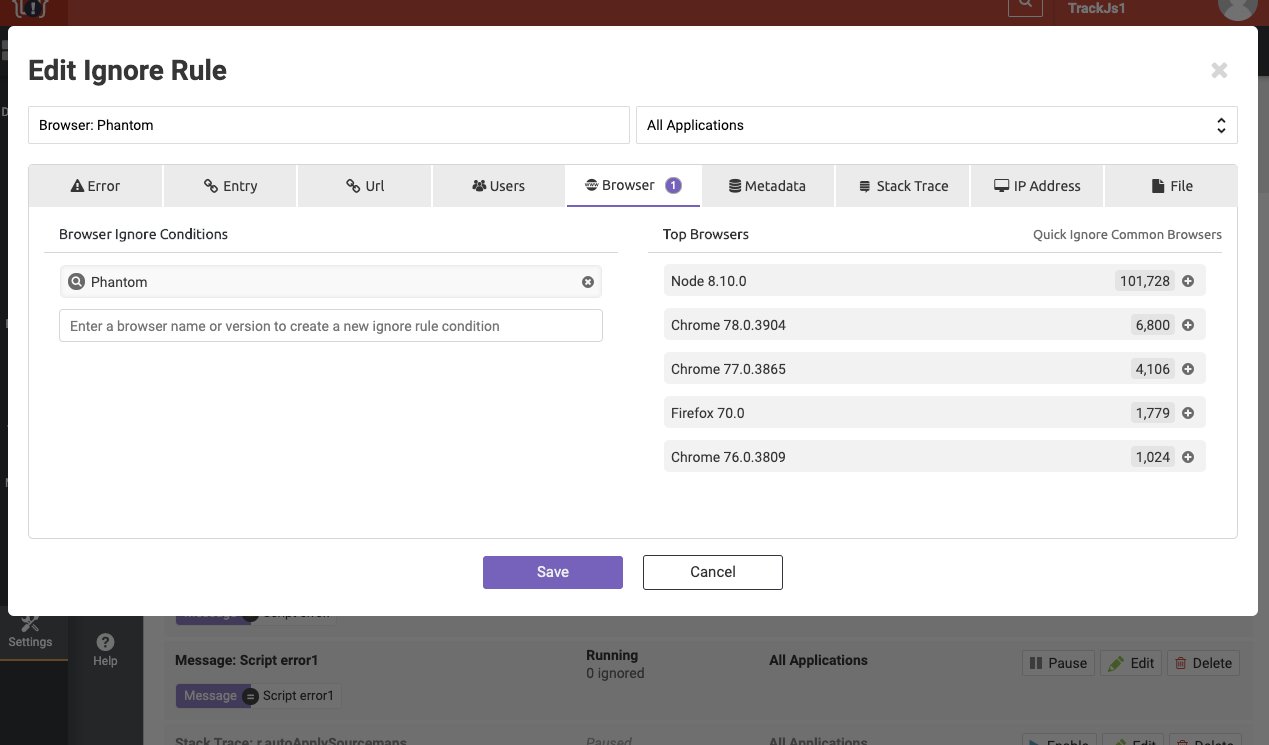
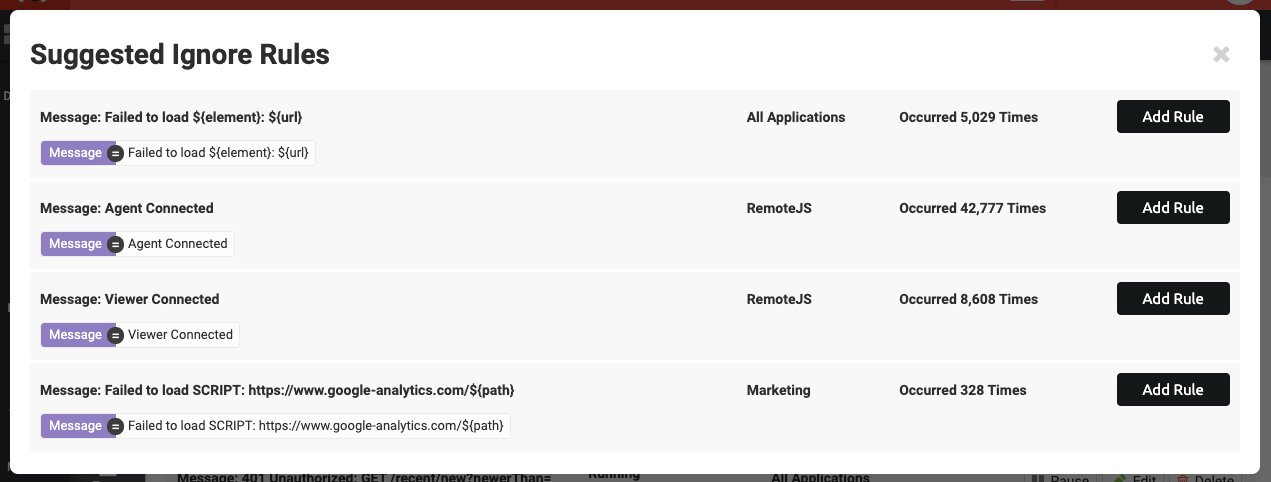
Ignoring noisy and external errors is important to understanding the health of your client-side applications. Third-party scripts, user extensions, content crawlers, and non-impactful errors create lots of noise in web operations.
tkjs.us/35XUlkC
#javascript #webdev
1
4
A few months back, @toddhgardner wrote about Separate Your Monitoring. tkjs.us/2YvjS4y
1
TrackJS retweeted
🔥Do you work with an app that’s a dumpsterfire of errors? Wishing for an appropriate alert when you need to fight down the flames? Look no further friend. @gelicia shows us how to create a dumpster fire notification for errors with Particle and TrackJS.
tkjs.us/377No1I
1
3
5
🗑🔥 The dumpster itself was 3D printed from Thingiverse, printed with translucent filament so the fire light will shine through. It is powered by a Particle Photon with a WS2812 LED strip. Added some acrylic batting as the garbage to diffuse the light.
tkjs.us/377No1I
1
2
A few months back, @toddhgardner wrote about Metered Logging is Anti-Developer. tkjs.us/2JAFXX6
TrackJS retweeted

Good morning JavaScripters! It's time for another episode. Today, @davidwalshblog and @toddhgardner are chatting with @ChrisFerdinandi about Vanilla JavaScript and the Lean Web. It's amazing how fast the web can be with less JavaScript.
scriptandstyle.simplecast.co…
1
4
9


Introducing TrackJS Global Error Statistics. This aggregated production data is a useful measure of the state of client-side JavaScript errors and the quality of the web. We break it down by the most common errors...
tkjs.us/33gviIs
#javascript #webdev #statistics #error
1
2
6
📉🐞 As of today, there is about 1 error for every 10 views on the web. That's quite a bit better than 5 years ago, but still awful. We can do better folks!
tkjs.us/2NhN0pw
1
2
1
🕷📈`Script Error` remained the predominant error on the web, impacting over 47% of websites.
tkjs.us/2NhN0pw
1
1
