

⚡️ Move the web forward.
- Tweets 1,051
- Following 217
- Followers 4,837
- Likes 1,253











Deleted the rest of my original guesses since they're easily RT'd as gospel and as expected turned out to be almost entirely wrong 🙈
1
there's an entire section of the article on performance that you should really read, but the tl;dr is that HTTP/2 makes @pika/web's per-dependency bundling viable and even preferred compared to the default, single vendor.js bundle.
1
4
✅ Exactly! @pika/web uses bundles internally on the dependencies themselves so that you get web-native npm packages... which was the main reason that many of us started using Webpack in the first place!
1
4

Running `npx @pika/web` gets you a web_modules/ directory with each package installed as a single JavaScript file. This preserves the original interface of the package while fixing any issues that may have occurred had you tried to import the file directly from npm/unpkg.
1
4
@pika/web is an attempt to solve that original problem: how can we use modern npm packages on the web?
It turns out that thanks to ESM syntax, packages can be installed in a way that lets you skip the bundler altogether for your application.
github.com/pikapkg/web
1
3
7
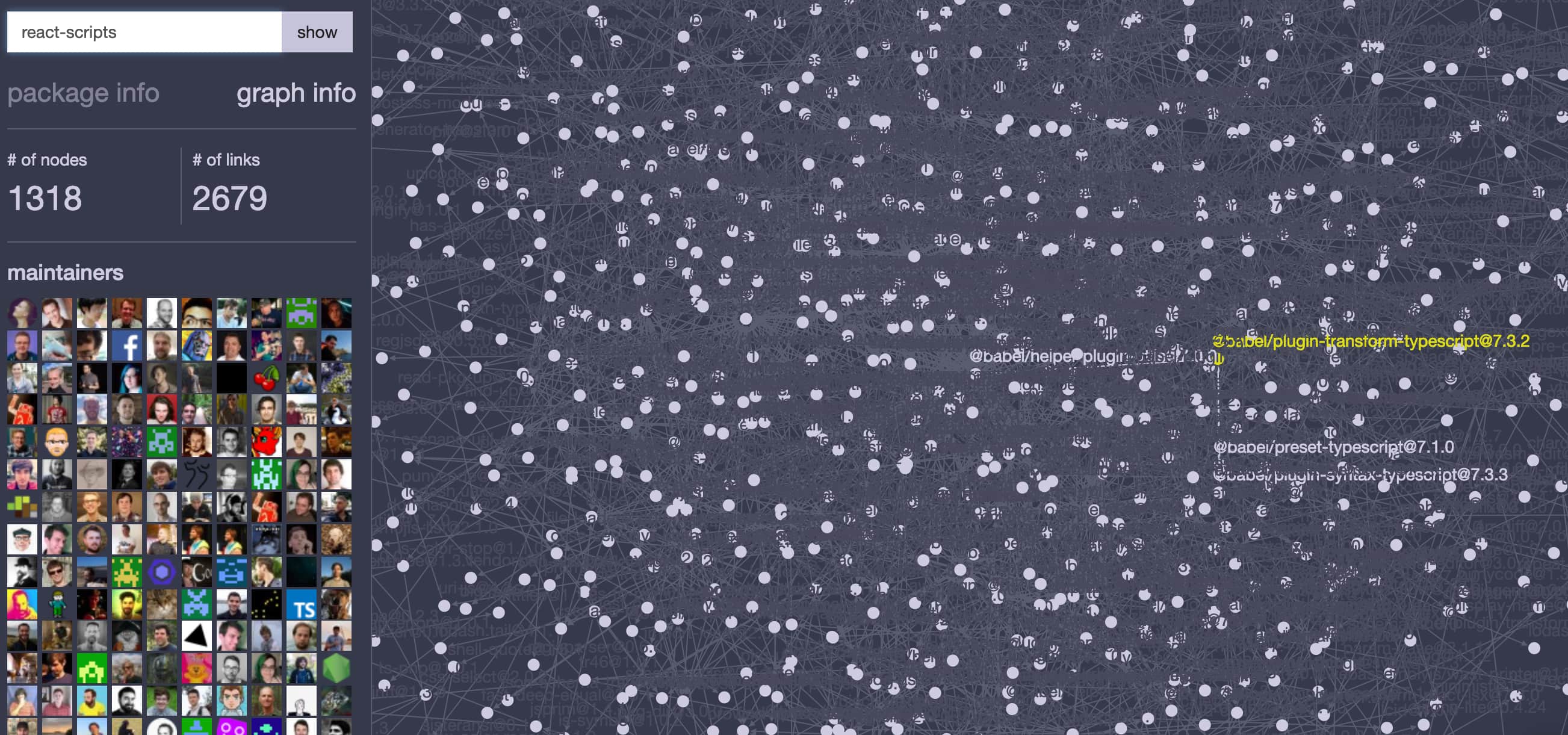
Not only that, but web applications have become more complex as a result. Create React App, for example, installs a complex 200.9MB node_modules/ directory of 1,300+ different dependencies just to run ”Hello World!”
1
5
While this has led to some incredibly powerful tooling, it has also introduced a ton of complexity to a field that has always taken pride in its view-source, easy-to-get-started ethos.

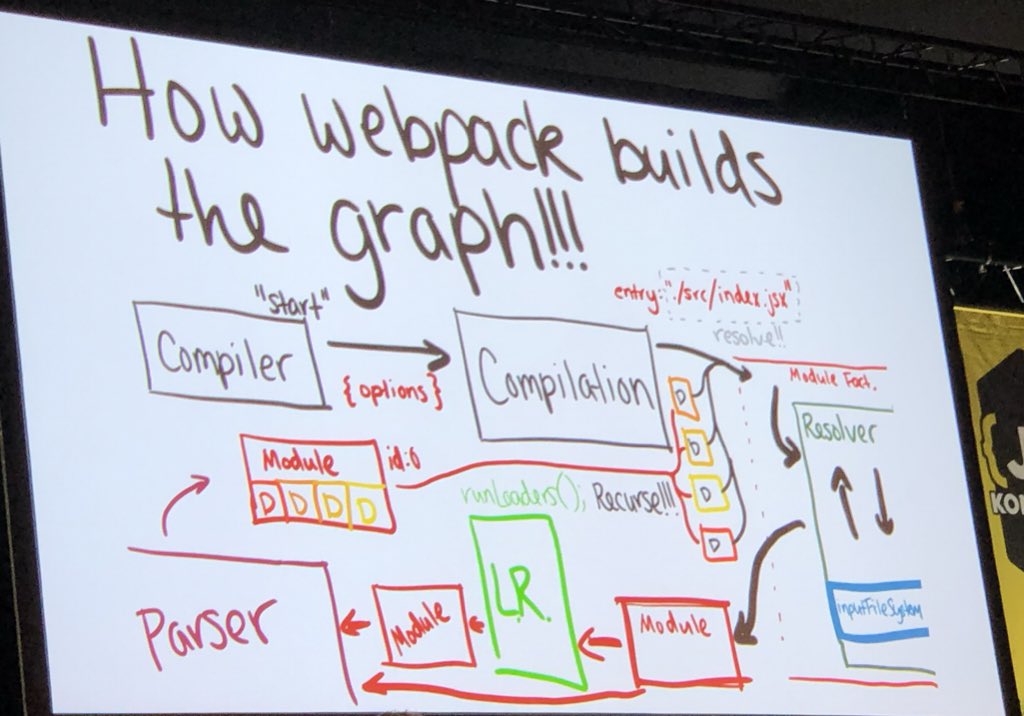
#JSKongress how webpack works! Great talk by @TheLarkInn (I don’t know how that extra slide got in there...) kidding, actually really clearly explained the architecture.

1
4
## Why We Bundle
JavaScript bundling morphed from being a production-only optimization to an absolute dev requirement for one big reason: npm. Browserify (and later Webpack, Parcel, etc.) all allowed you to run npm packages in the browser.
1
5
🌟🆕 pikapkg.com/blog/pika-web-a-…
Some thoughts on the past, present, and future of web bundling...
2
49
136
🥳 congrats on the launch!
Exciting to see Pack playing nice and working well together with all of these other great libraries 🤝

Announcing Aybolit 0.1.0:
🎨 Bootstrap, Bulma, Material and White Label
⚡️ built with LitElement by @polymer
📦 ES modules via Pack by @pikapkg
🎥 demonstrated via @storybookjs
🛠️ tested with help of @OpenWc
Demo: web-padawan.github.io/ayboli…
Source: github.com/web-padawan/aybol…
1
9
Skypack (prev. pika) retweeted

The fact that Microbundle is trusted by thousands of OSS projects is humbling.
If you chose Microbundle for your library, I firmly believe you'll find the next few months prove that to be a very wise decision.
I'll get back to building. 🛠
8
12
203
Skypack (prev. pika) retweeted

Instead of trying to wire up everything myself I just used @pikapkg this time to bundle and publish my new package. If you are looking for something that just works I highly recommend trying it out too 😌
1
8
Skypack (prev. pika) retweeted
We support a compromise: your top-level project package.json is able to contain comments, but then comments are stripped on publish so that you never need to worry about comments in installed package manifests.
2
1
8
It is *THAT* easy! 🏆

Are we doing this right @pikapkg @FredKSchott? (pika-web into pwa-starter-kit). It seems too easy!
github.com/Polymer/pwa-start…
2
Thanks but I didn’t do anything! That was all @krumware 🥳
1
5