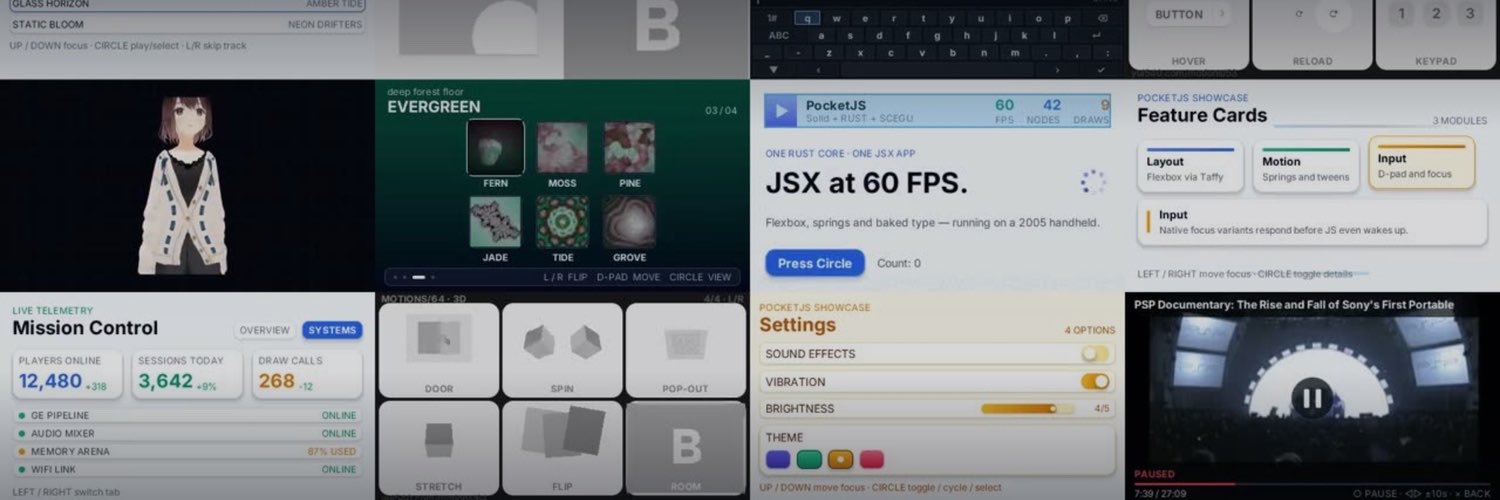

Build modern apps for impossible devices. Made alongside @sheruapp. 👾 discord.gg/cTce4eXzSK
- Tweets 116
- Following 56
- Followers 1,730
- Likes 229





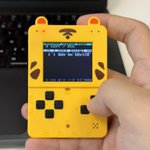
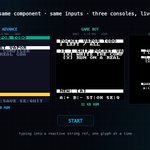







PocketJS and Vue are now running on ESP32-P4 ⚡️
Built by our community member odex21, this brings Vue Vapor’s component model and the PocketJS UI runtime directly onto a new class of embedded hardware. 👾
5
4
92
18,320
Our next cross-platform campaign begins soon!
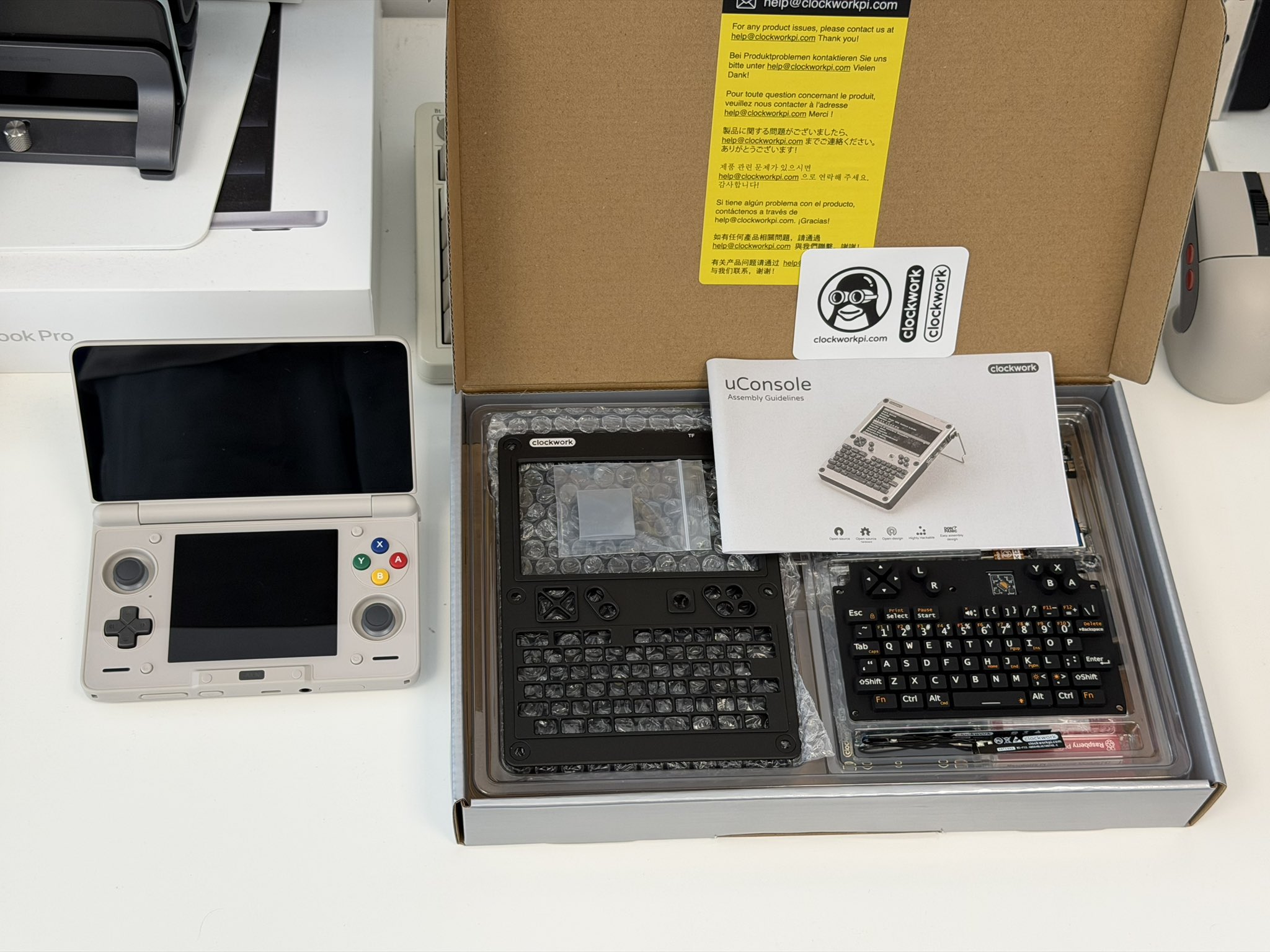
Which one should run PocketJS first? ⚡️
AYN Thor or ClockworkPi uConsole?
3
39
4,836
Introducing Pocket Stage, our new widget runtime for interactive 3D hardware.
It loads GLB LODs, maps semantic screen materials to real PocketJS apps, and uses a carefully tuned pipeline to maximize energy efficiency (~2% CPU on idle) 🔋
Download available soon ⚡️
1
4
44
7,052
See our ongoing development process here:
github.com/pocket-stack/pock…
302
Introducing Pocket Character: Your @proj_airi wifu rebuilt from scratch as a native Pocket runtime, with 95% less memory and 91% less CPU at 60FPS! ⚡️
A conversation at VueConf yesterday sparked the idea. Thanks @RizumuA3 and @deleted_neko for the inspiration!
4
3
45
16,647
Source code, setup instructions, and reproducible benchmarks:
github.com/pocket-stack/pock…
3
2
659
Full engineering write-up: how the same VRM character stage was rebuilt from 8 Electron processes into one native Pocket process.
pocketjs.dev/blog/pocket-cha…
1
515
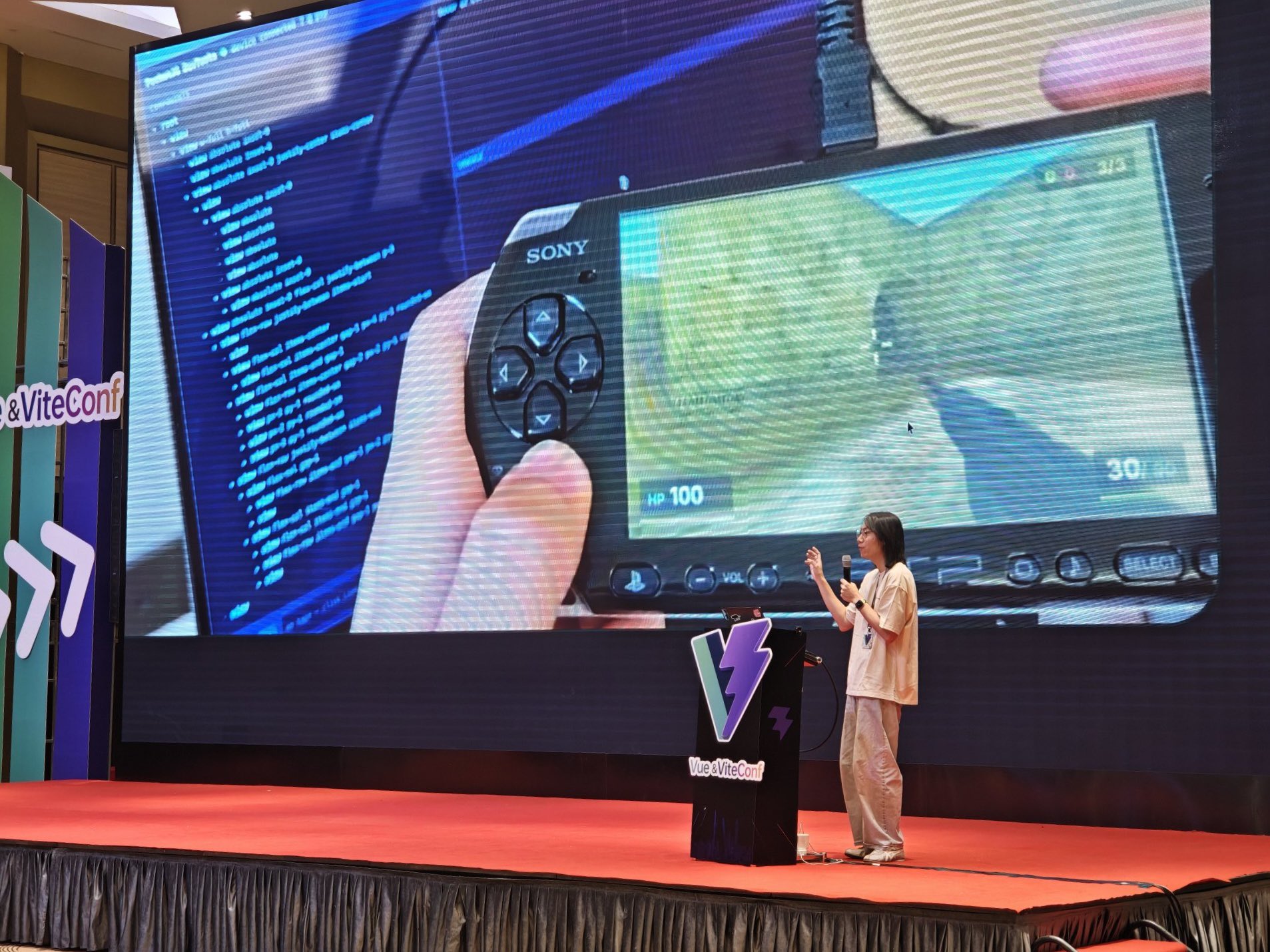
Today we brought PocketJS to the stage in VueConf Shanghai! 🥳
We received an incredibly warm response from embedded, game, and hardware developers, and came away with many new ideas to explore 🤯
We’ll do our best to bring them to life!
7
15
228
20,205
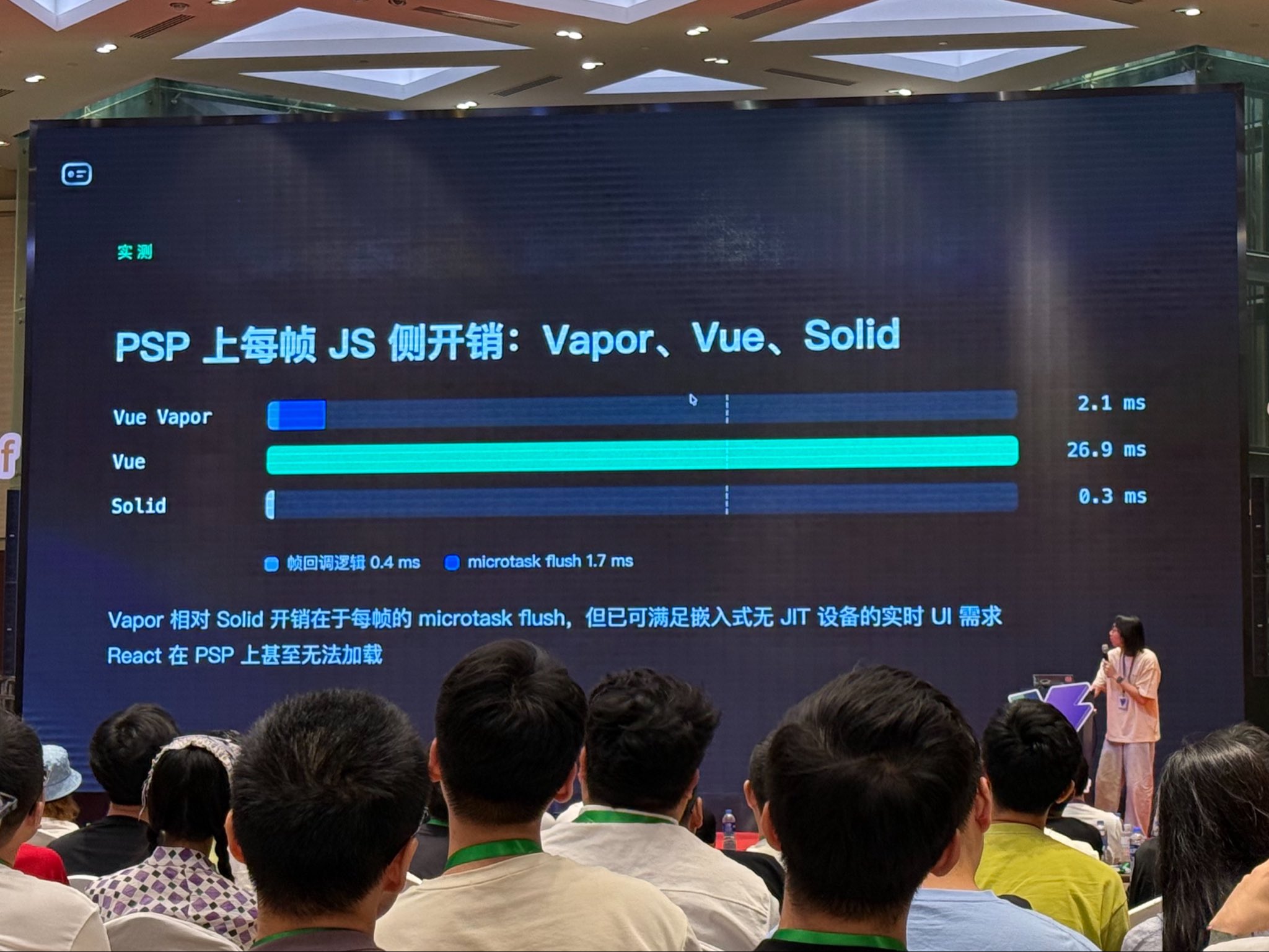
Vue Vapor has top class performance with a rich ecosystem, so PocketJS supports Vue as its first class citizen since our first release⚡️

1
1
21
1,458
PocketJS retweeted

Simplesmente GTA V rodando em um PSP, MAS CALMA!
São apenas os LODs (modelos de nível de detalhe), não o mapa completo com todos os elementos de alta resolução. Ainda sim é IMPRESSIONANTE!
Vídeo por houne_dania
18
90
2,795
193,792
PocketJS follows the same philosophy. On PSP and Vita, we integrate directly with the native graphics APIs instead of going through OpenGL.
Modern AI tooling makes this architecture practical, with ZERO abstraction tax and much more access to the hardware’s real potential. ⚡️

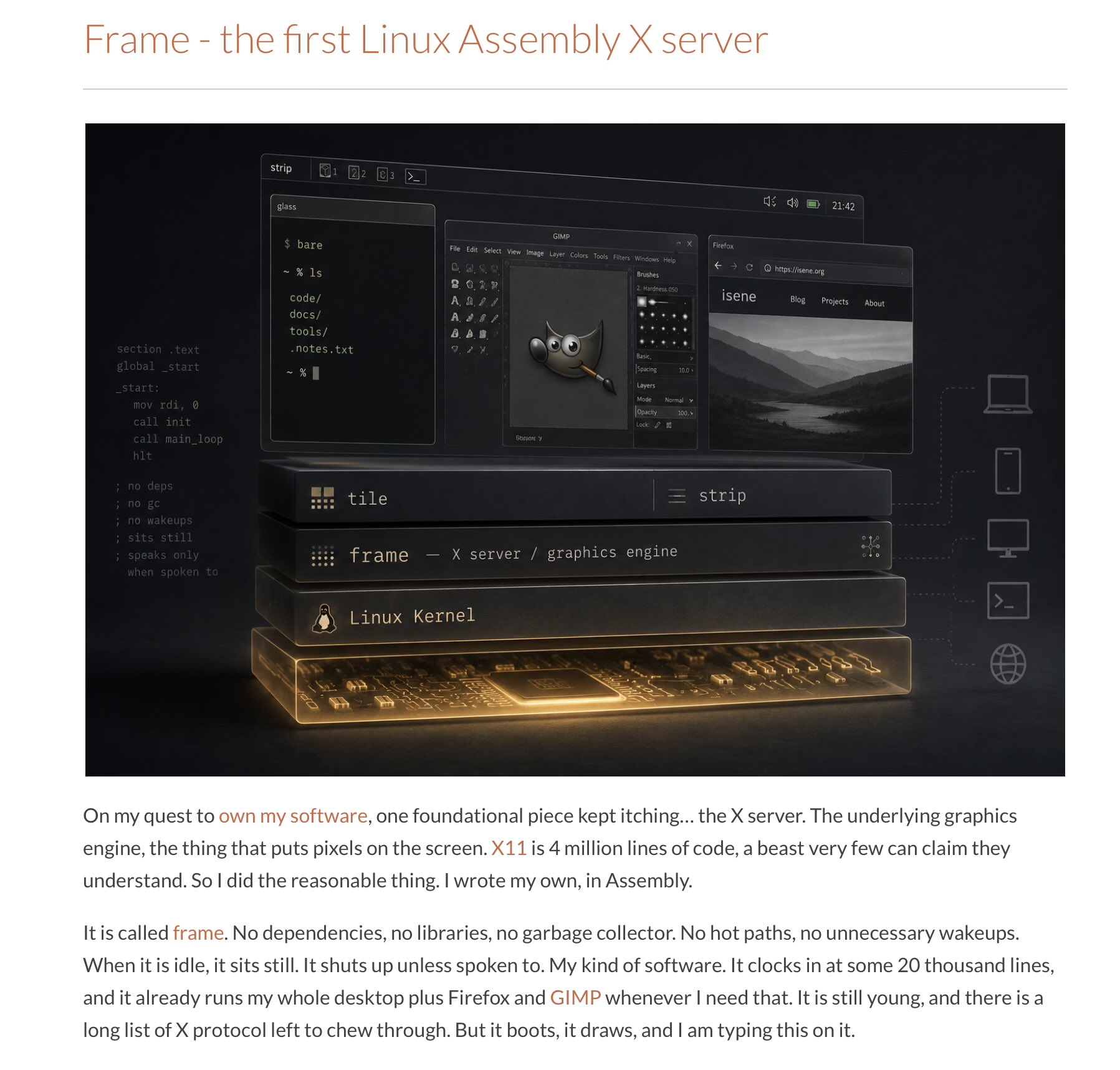
Under Linux, the graphics layer is typically handled by something called an X server. Indeed, many years ago, we thought that the defining characteristic of a user interface would be that it would be remote. Linux has generally followed this philosophy. You can often connect to a Linux box remotely and run desktop applications over the network. I think it proved much less useful than anticipated…
In any case…
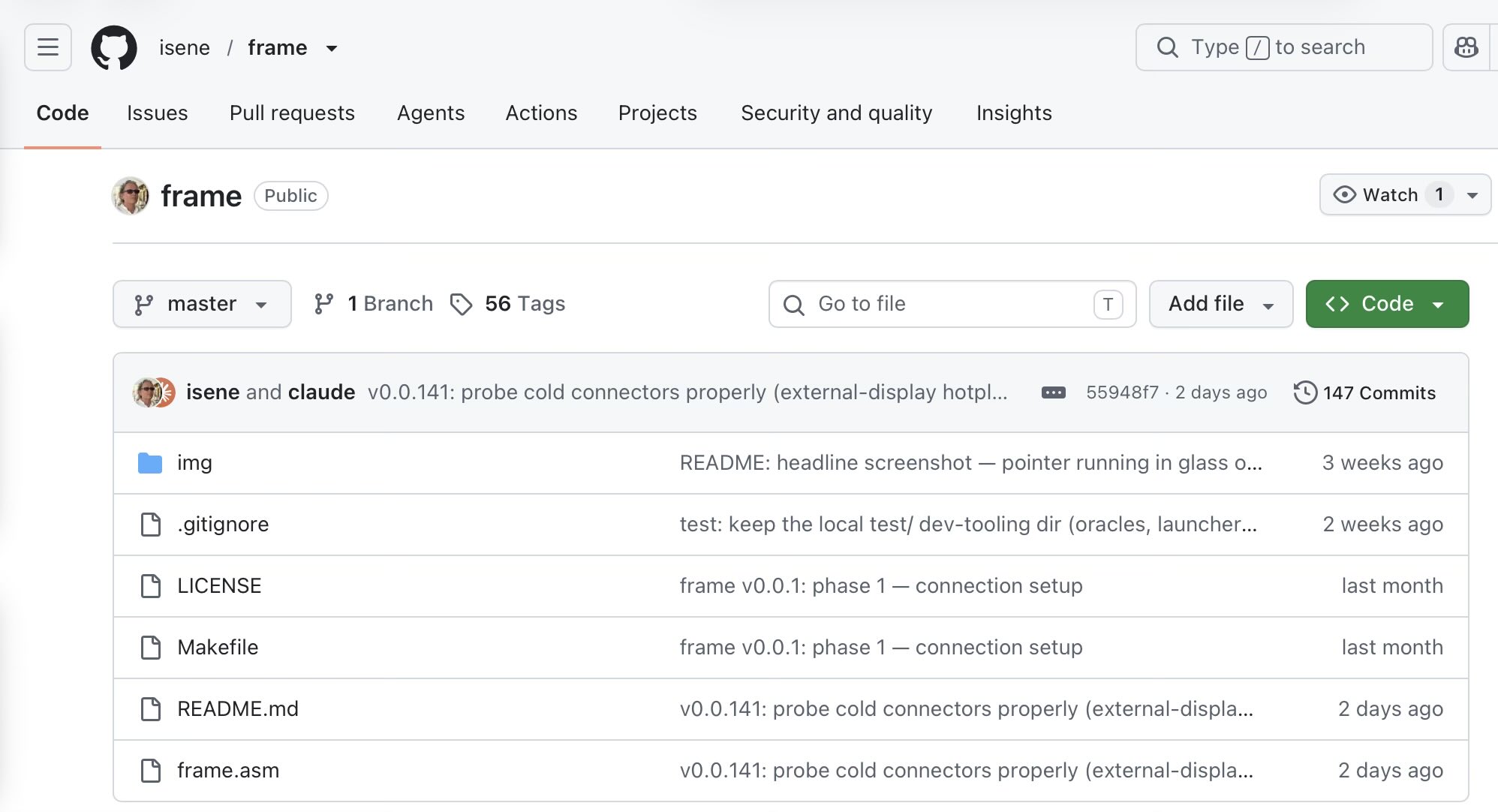
A developer from Norway, Geir Isene, wrote his own X server… in assembly. That’s right. No compiler. No Rust. No C. Just assembly, with no dependencies. It is just one file containing assembly code. Assembly is one step removed from writing machine code directly.
Isene is using Claude Code to get it done.
It seems that he ended up with the same realization I had in the last year: this is the golden age for people who want to build their own software, for their own uses.
However, it is the first time I hear about such a non-trivial piece of software written… in assembly… with Claude Code. To be clear, there are large and complex software systems written in assembly… I just don’t think anyone thought of writing an X server in assembly before.
Some of my friends will object: “You can’t do that; you need the reliability of compilers and higher-level programming languages.” Maybe.
I think there are a great many unknowns today. Do programming languages matter the way they used to?
1
2
44
2,971

This PSP is playing YouTube! 📺
No WiFi involved: search with an on-screen keyboard, browse real results, play with sound. The stream is one 1MB file overwritten over a USB cable.
Welcome to try Pocket YouTube!
26
206
2,774
183,157
The full engineering story:
pocketjs.dev/blog/pocket-you…
1
1
8
5,585
PocketJS is built by @ewind_dev. If this made you smile, you can fuel the next one 🫶 github.com/sponsors/doodlewi…
9
5,117
Our sibling project Sheru is launching today!
This Win98 interface was originally built for @sheruapp. We brought its Tailwind theme system to PocketJS to improve our style engine along the way.

Meet Sheru, a new shell for macOS.
A native, reskinnable interface for your files, servers, services, terminals, and more.
Reshape your computer.
5
25
305
17,823
Try the interface that helped inspire PocketJS:
sheru.app
2
556