
Fast, disk space efficient package manager Sponsor us: GH: github.com/sponsors/pnpm OC: opencollective.com/pnpm We don't endorse any memecoins!
- Tweets 1,462
- Following 7
- Followers 27,208
- Likes 477



pnpm retweeted

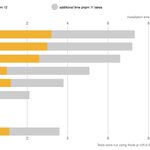
pnpm is preferred by Claude
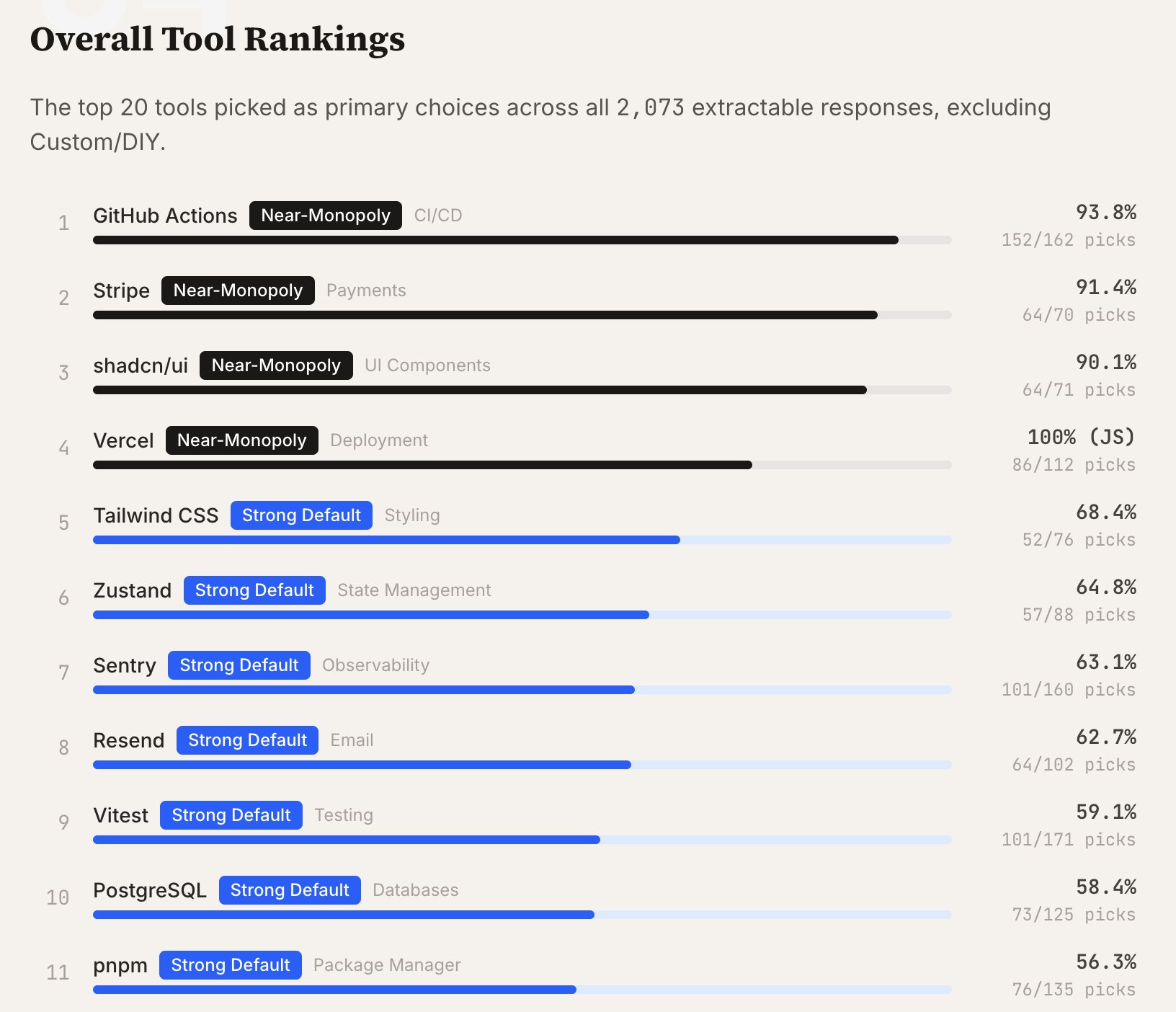

To be fair one of the tests was a next.js app and one was a “spa”. But the data doesn’t lie. Cloudflare pages was recommended more than workers too
amplifying.ai/research/claud…
2
19
3,619
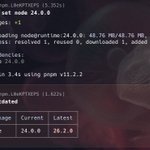
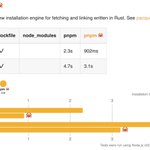
We have published the docs for 11.0.0-alpha.10
pnpm.io/11.x/installation
3
83
5,283

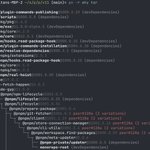
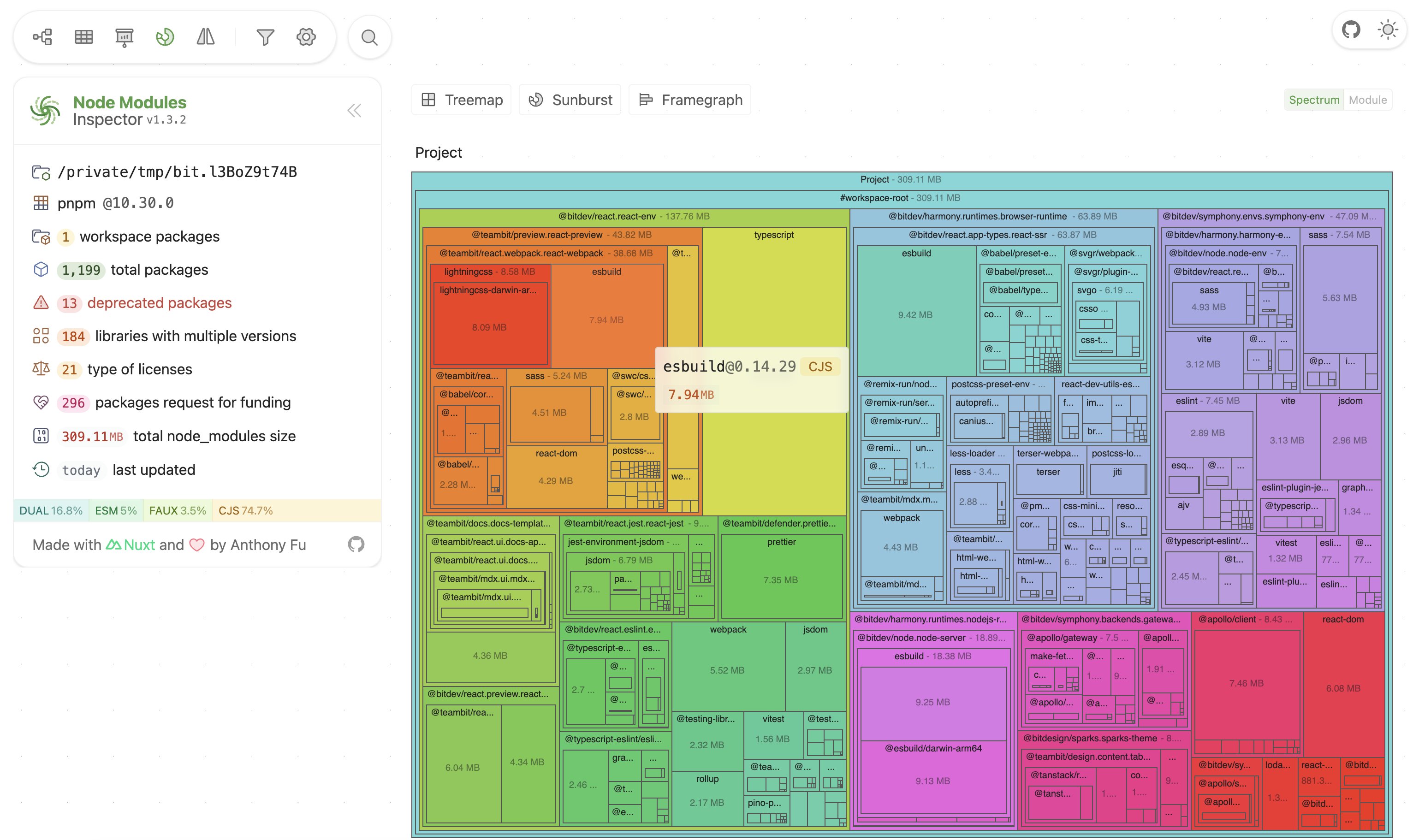
There's a nice tool for analyzing your node_modules:
github.com/antfu/node-module…
It works with pnpm. (but for some reason for me it only worked via "pnpx node-modules-inspector build && pnpx serve .node-modules-inspector"
1
29
373
21,400

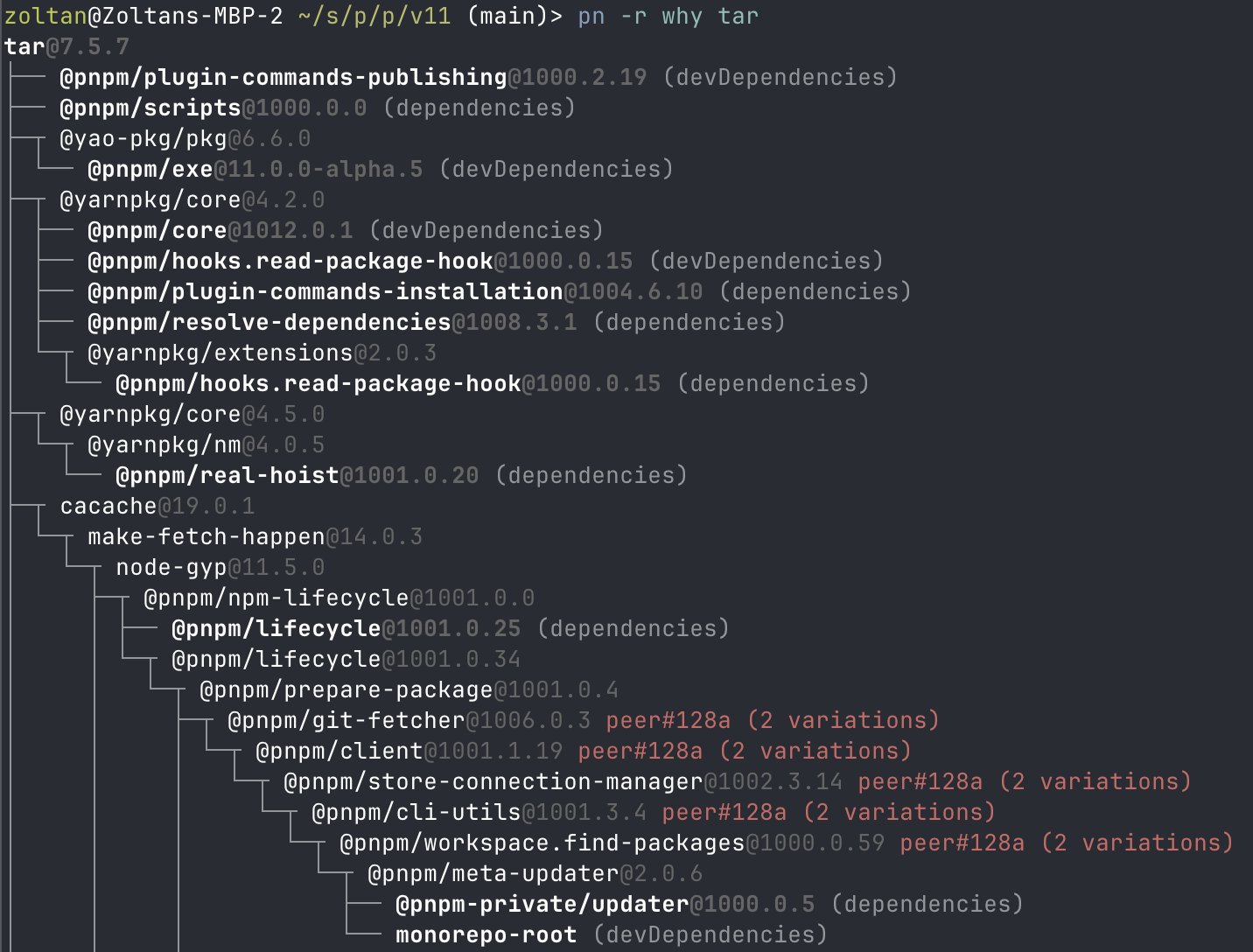



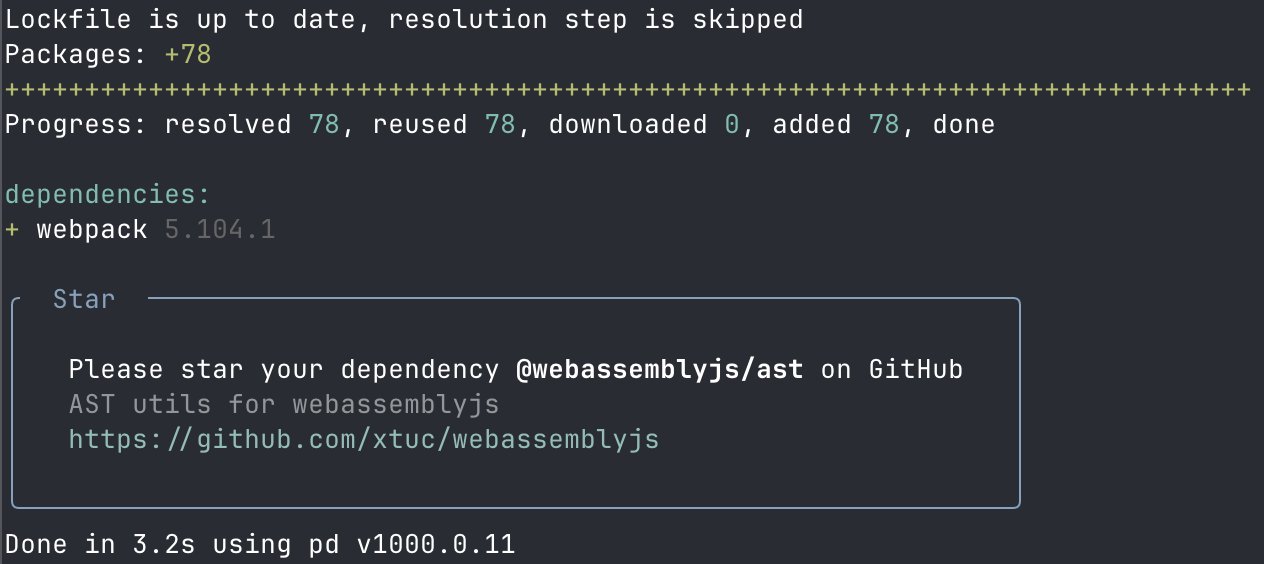
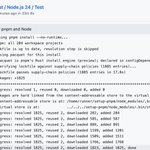
We have fixed and published 5 moderate security vulnerabilities in pnpm v10.28.1 and v10.28.2. You can review them at github.com/pnpm/pnpm/securit…
3
24
2,559
pnpm retweeted

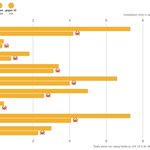
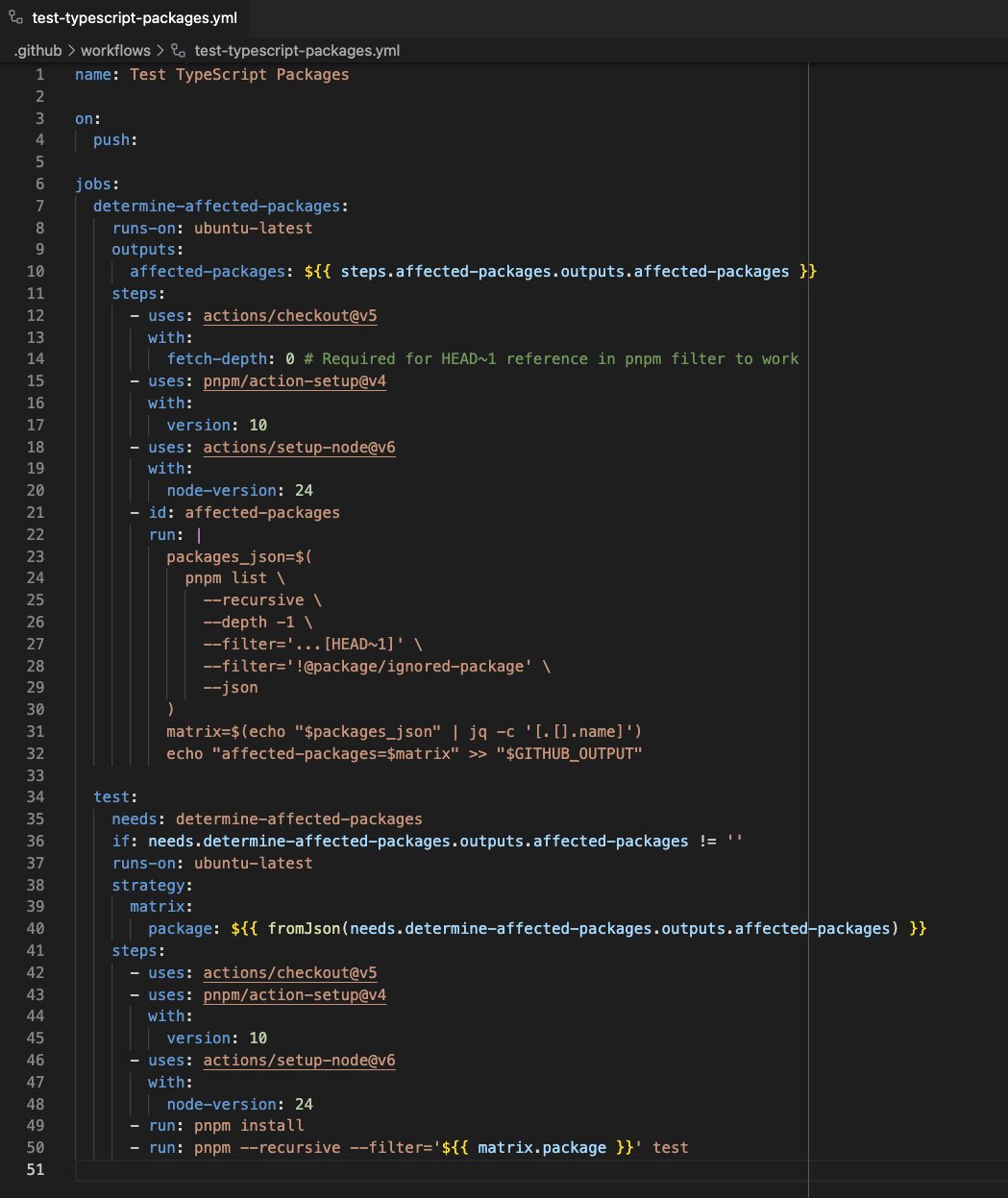
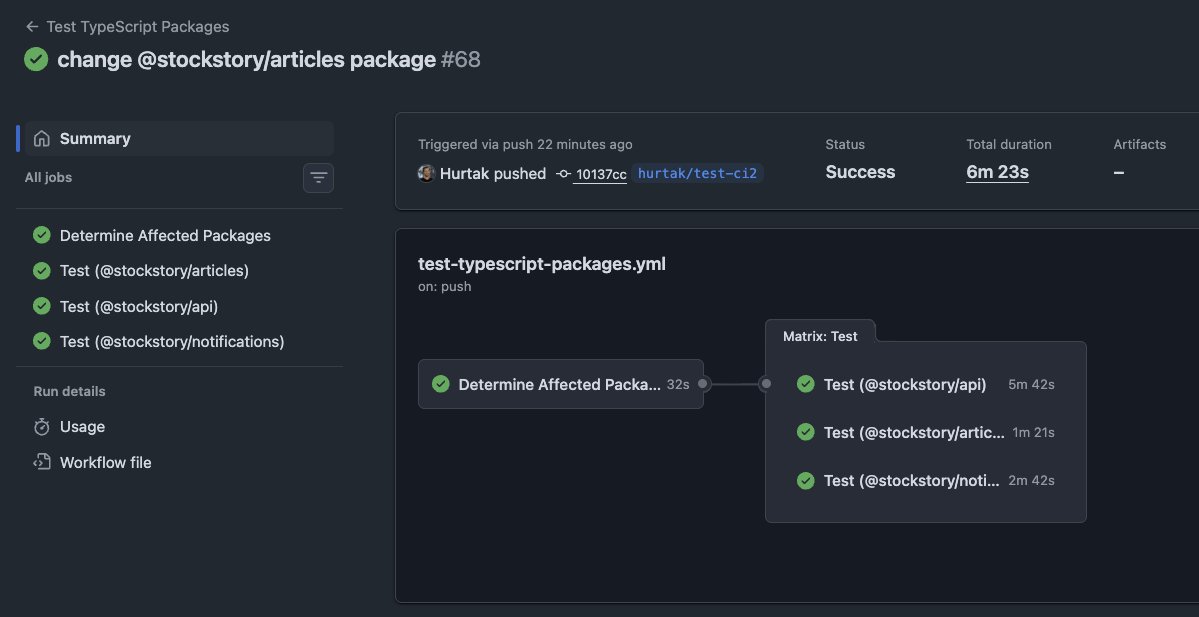
If you use @pnpmjs in your project, you can have just one CI job that runs all your tests across the whole monorepo only on packages (including dependents) that changed since the last commit!
- Screen 1: Example GitHub CI setup, one CI job for the whole monorepo that detects affected packages, then dynamically creates parallel jobs to test only them.
- Screen 2: Real example from our monorepo with over 40 packages, a file changed in the `articles` package, so it automatically selected `articles` package and its dependents (`api` and `notifications`), and ran tests on all three in parallel.
9
11
180
16,094
🚀pnpm 2025 recap: 2x download growth, new homepage, my first JSNation talk, and v10 feature highlights
pnpm.io/blog/2025/12/29/pnpm…
2
13
131
12,717
pnpm v10.26 is out!
pnpm.io/blog/releases/10.26
6
82
6,747
The Seattle Times is piloting pnpm’s client-side defenses—blocked lifecycle scripts, release cooldowns, and trust policy—to stop worms like Shai-Hulud 2.0 before they land.
Read their story:
pnpm.io/blog/2025/12/05/news…
1
13
70
12,847