

An open-source framework for building Web, Mobile, and Desktop applications ☄️
- Tweets 7,053
- Following 479
- Followers 49,753
- Likes 4,083














Meteor 3 and Galaxy 2 Launch Week: Day 2
Today we will showcase Galaxy 2.0's UI/UX improvements.
dev.to/meteor/a-fresh-look-e…

ALT Galaxy Reimagined: new era of UI/ UX design
1
5
9
1,326
Meteor.js retweeted

Try @meteorjs. To this day, there's no better database-reactive full stack. They had "signals and effects" (with different naming, "reactive vars and computations") with database updates triggering effects and templates on frontend from the get go:

Meteor.js (@meteorjs) was built for this back in 2011:
// On client side:
Tracker.autorun(() => {
// Logs the books list any time they change
console.log(
books.findAll({author})
)
})
Just like Solid.js createEffect, but with backend data.
meteor.com
1
4
6
1,514
Meteor 3 and Galaxy 2 Launch Week: Day 1
Launch Week begins with Meteor 3.0 featuring Node.js 20 and Express.
dev.to/meteor/embracing-the-…
ALT New Meteor 3.0 docs and migration guide
6
12
1,739
Only 3 days to #Meteor3Galaxy2Launch Week! Check out the last video testimonial with @nachocodoner and see the importance of migrating your meteor projects to Meteor 3.
Join us on May 13th: meteor.software/x/launchweek
5
16
1,547
Meteor.js retweeted

Hey folks,
Hosts are traveling and sick. So in lieu of our weekly episode of This Week in MeteorJS we have this brief video. Check it out and we’ll see you next week as we help celebrate Meteor 3.0 and Galaxy 2.0 Launch Week!!
youtu.be/n1hQAx3YjAA?si=Ewwx…
3
7
971
Just 4 days until #Meteor3Galaxy2Launch Week. Let's talk about Galaxy! 🧵
1
4
7
1,321
The new era is here, like the Meteor logo with just one letter replaced to maintain easy recognition.
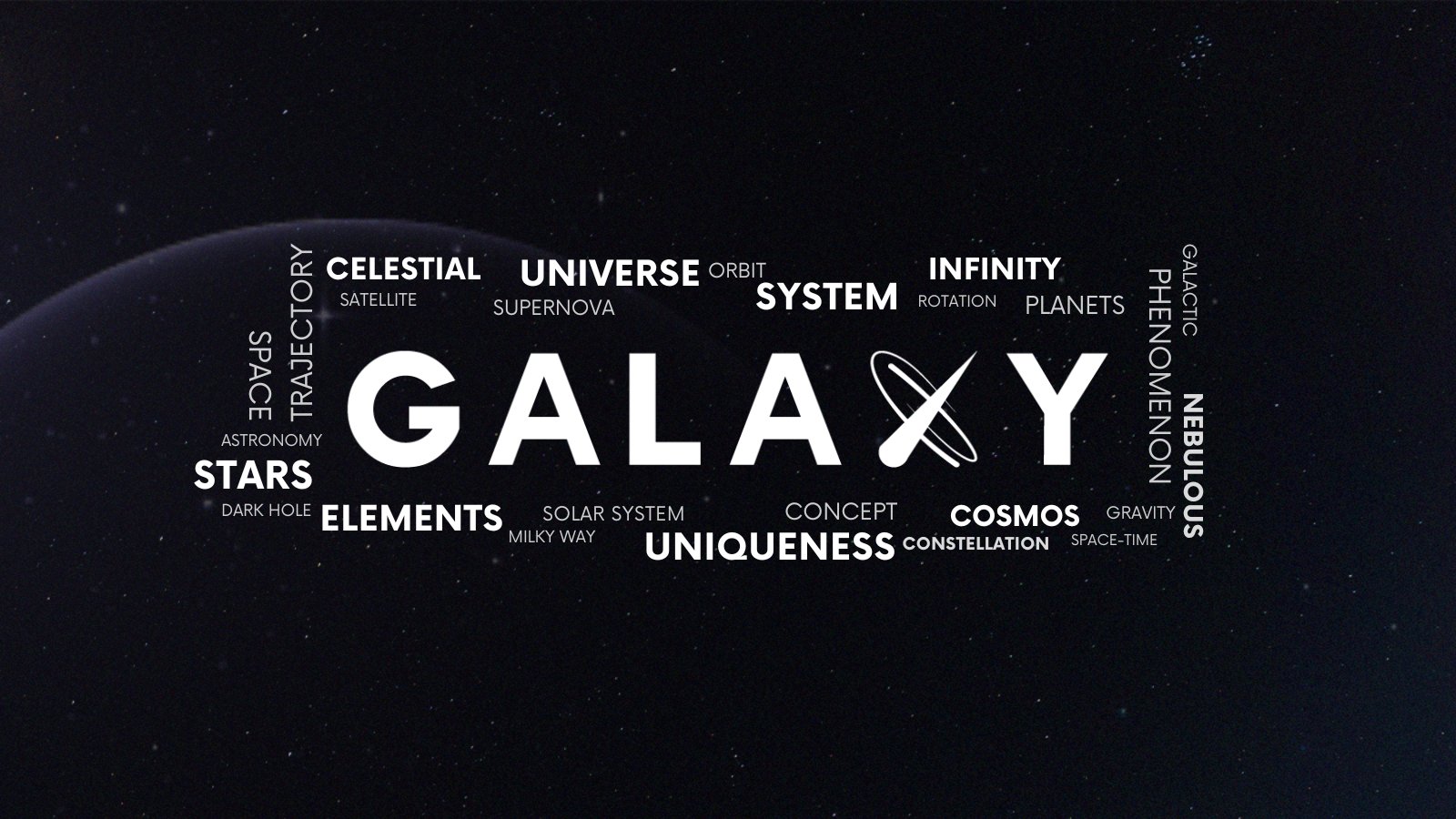
ALT Galaxy/Meteor Cloud's new logo and elements that remind it
1
6
588
Join the event and be part of the journey into the new era: meteor.software/x/launchweek 🌌☄️
4
7
730
We are sharing one more testimonial video featuring @radekmie and their journey with Meteor.
Just 5 days until #Meteor3Galaxy2Launch Week! Register here to participate on May 13th: meteor.software/x/launchweek
6
11
2,104
Meteor.js retweeted

We just published a new version of @meteorjs 3.0 Release Candidate! Our team is working hard to soon release the official version!
forums.meteor.com/t/meteor-3…
12
18
2,691
Just one week until #Meteor3Galaxy2Launch Week!
Read @Kuester_Jan’s article with five core concepts you should know about MeteorJS in 2024 and stay prepared.
dev.to/meteor/5-core-concept…
4
5
1,191
Say hi to our newest MeteorJS team member! Welcome, Leonardo ☄️
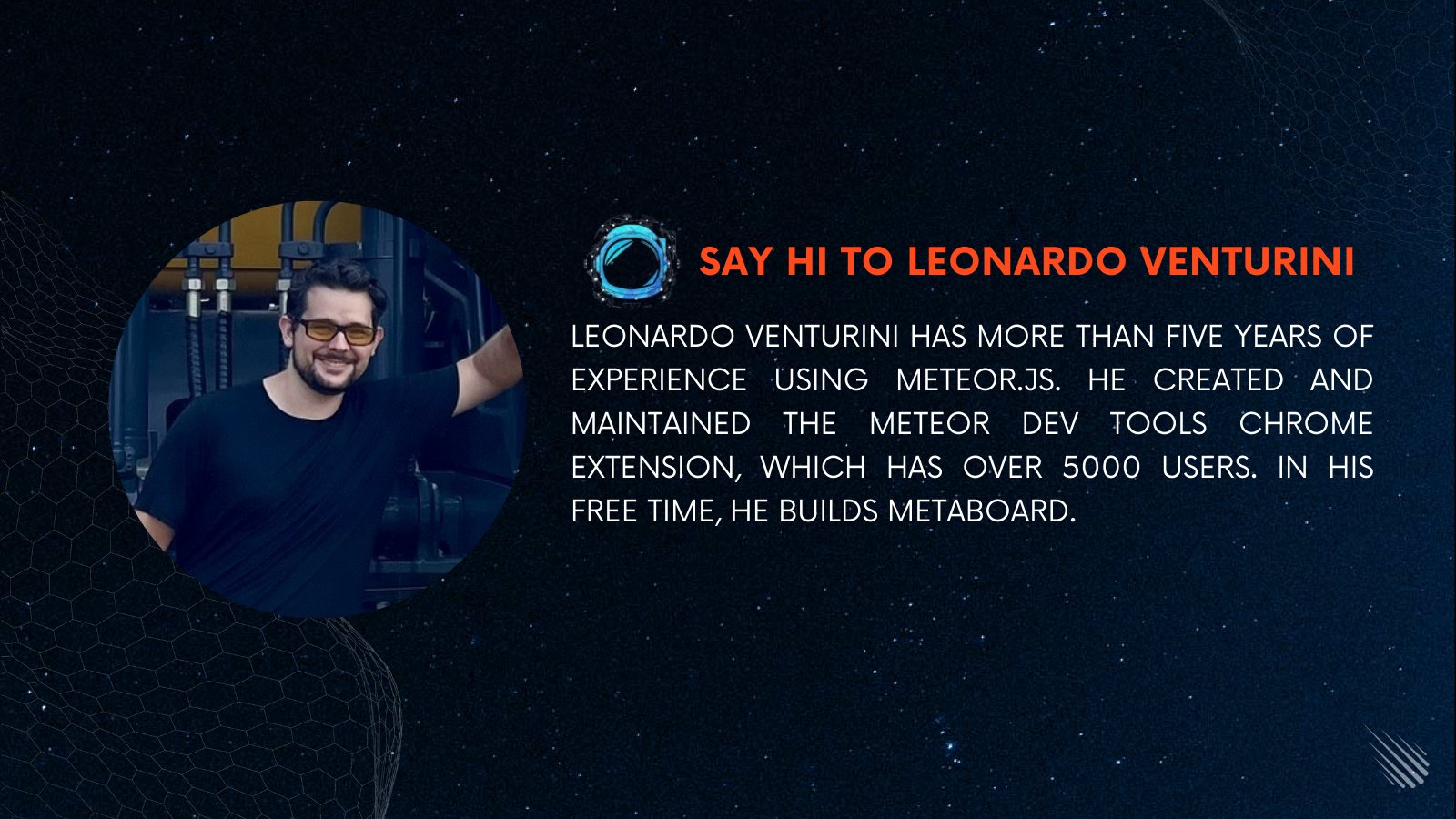
ALT Say hi to Leonardo Venturini
2
15
1,469
A sneak peek at the new features coming in Meteor 3.0, including Node.js 20 and Express. Let's explore how these features can enhance your projects. #Meteor3Galaxy2Launch
1
3
9
1,941
Express Integration
Meteor 3 now supports Express, making it easy to build Node.js web applications with one of the most popular frameworks. This integration offers flexible management of routes, middleware, and more.
1
2
653
Join us for Meteor 3 and Galaxy 2 Launch Week to explore their new features.
Register here, have a chance to earn credits on Galaxy, and start building with the new Meteor 3.0: meteor.software/x/launchweek
2
614
Meteor.js retweeted

Another week, another @meteorjs dispatches!
youtube.com/watch?v=87Ubkt9B…
2
4
835