

Cross-platform engineer trying to make native app dev as pleasant as web dev
Tokyo-to, Japan
- Tweets 13,955
- Following 848
- Followers 5,926
- Likes 28,080



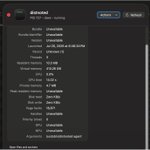





My (non-engineer) girlfriend recognising React Native community members on sight because I yap too much
3
19
2,174
With React Native being the framework of choice for so many mobile apps, it’ll be interesting to see a whole new wave of mobile apps suddenly adopting two-dimensional UI design, after ten years of being limited to one-dimensional layout.

4
1
97
9,962
Jamie Birch retweeted

React Native 0.83 is now available!
This release includes React 19.2, new React Native DevTools features, and support for new Web APIs. And, it's the first React Native release with no user facing breaking changes.
reactnative.dev/blog/2025/12…
15
95
579
100,402
Jamie Birch retweeted

⚔️introducing TypeSlayer⚔️ A #typescript type performance benchmarking and analysis tool. A summation of everything learned from the benchmarking required to make the Doom project happen.
It's got MCP support, Perfetto, Speedscope, Treemap, duplicate package detection, and more.
33
60
557
114,941
I really can’t get on board with Swift. Losing hours fighting a compiler that can’t infer trivial generics.
I make a change to my stop() function and my start() function starts raising new compilation ambiguity errors.
Just garbage DX all the time. TS runs circles around it.
4
1
27
2,256
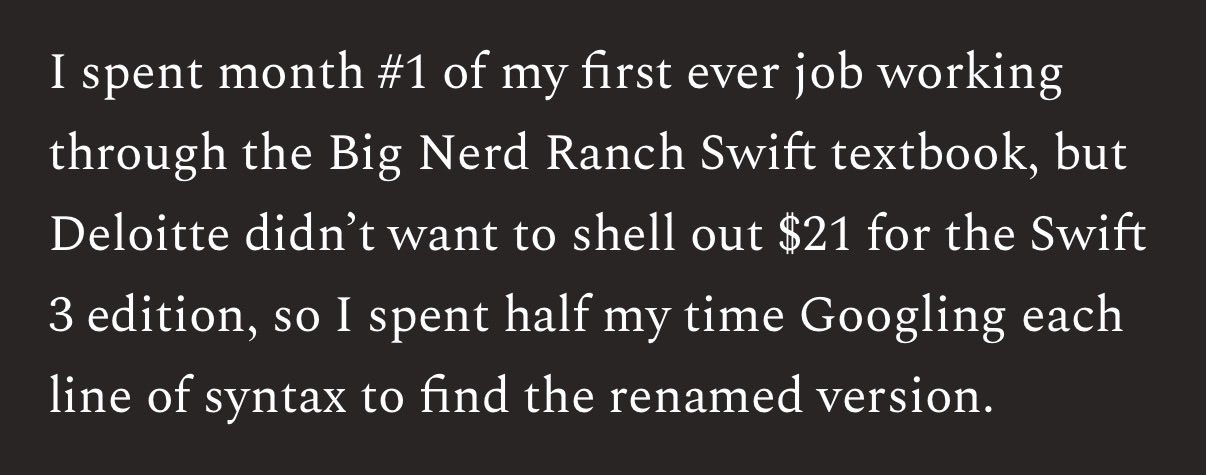
Swift 2 to Swift 3 was a horrible time, no matter how experienced a dev you were.
All reference code on Stack Overflow and GitHub just stopped compiling. Only sites like raywenderlich (now Kodeco) and Hacking with Swift tided us through these dark times.

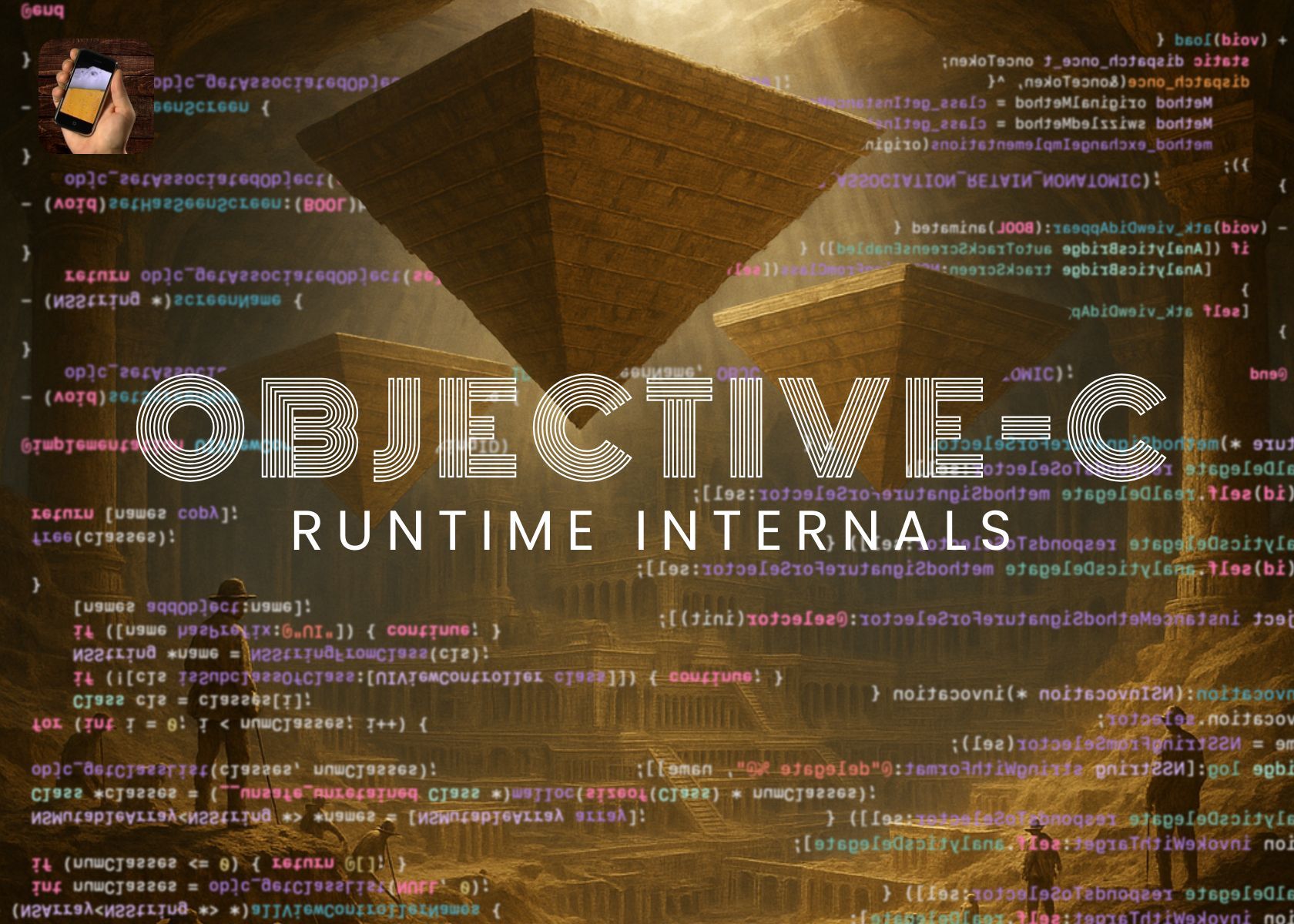
Objective-C was designed to unify two domains: the static simplicity of C; with the flexibility of Smalltalk message passing. I’m not actually simplifying it that much by telling you that Objective-C is C, with two additions:
1. A small layer of syntax like square braces, interfaces, and selectors.
2. Your code runs alongside the Objective-C Runtime™.
This runtime powers all the characteristic capabilities associated with the language such as dynamism and object-oriented…ness.
In fact, Objective-C defers as much as possible away from compile-time and towards runtime. This was one of the core reasons it was chosen to run on the Motorola 68k chips of the NeXT workstations, because it gave blazingly fast compilation times compared to the era’s typical glacially slow compilers.
Swift is often called a protocol-oriented language. Devs often characterise Objective-C as a runtime-oriented language.
Everyday programming languages compile functions down to machine code and wire them up in a binary. Each function call knows, more or less, the memory offset to jump to for the executable implementation. All this information is known at compile-time.
Objective-C, on the other hand... improvises.
Methods are dispatched via message passing, where the runtime traverses a class hierarchy (or cache) to look up the implementations on-the-fly.
The runtime is where all the magic happens.
Read the full piece: “Ancient Secrets of the Objective-C Runtime” - here 📜 blog.jacobstechtavern.com/p/…
5
1
8
1,975

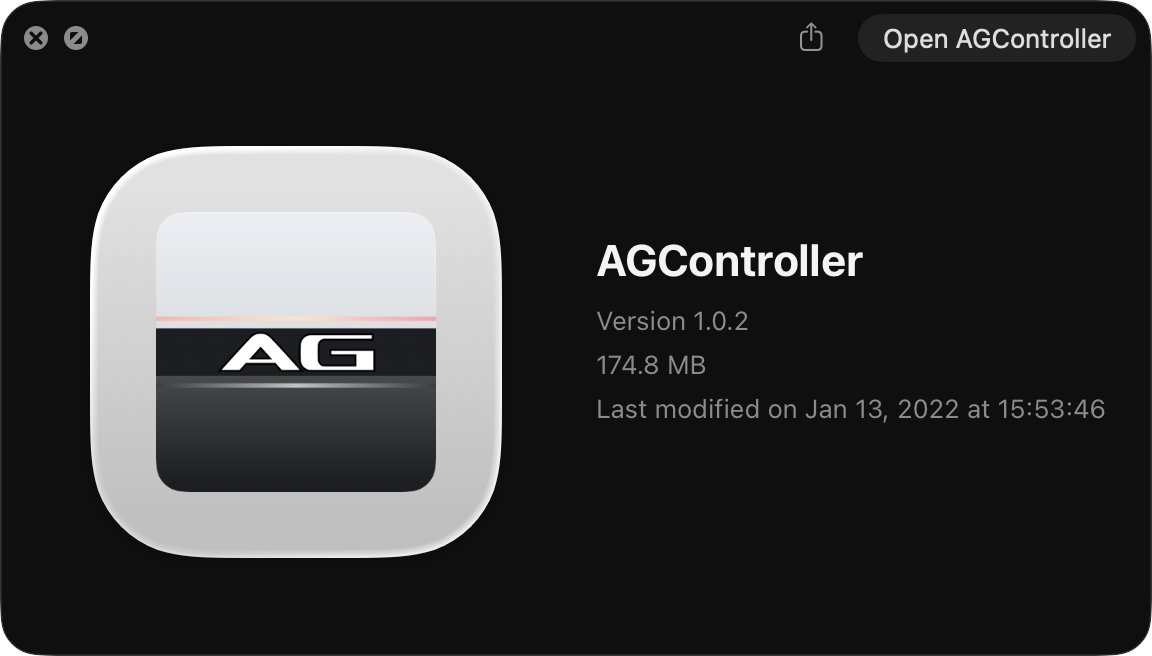
Speaking of the mixing console. I've long battled with my AG06, trying to set up my SM58, but I always found the noise floor to be annoyingly high, even with a FetHead plugged in.
I'd been eyeing up some more pro mixing consoles, but found Yamaha's sound check app helped a lot.
331
I also ought to have some monitor headphones. I'm very happy with my Airpods, but for low-latency monitoring, I need some wired headphones to plug into my mixing console. I have some free ones from flights, but they look a little lame on camera 😅
1
332
I also badly need to do something about this mic. The SM58 picks up saliva noises like nothing else. That can be removed in post with something like iZotope voice de-clicker, but I've not come across anything that can do that live.
Hoping the SM7b behaves better..?
1
175
Some things I want to solve:
This 15-45mm f/3.5-6.3 lens gives decent framing, but has no bokeh, which looks tacky.
My 30mm f/1.4 lens gives ideal bokeh, but I have to upend my whole room to set it 2 metres back.
Thinking of trying a 22mm f/2 lens as a middle ground.
1
153
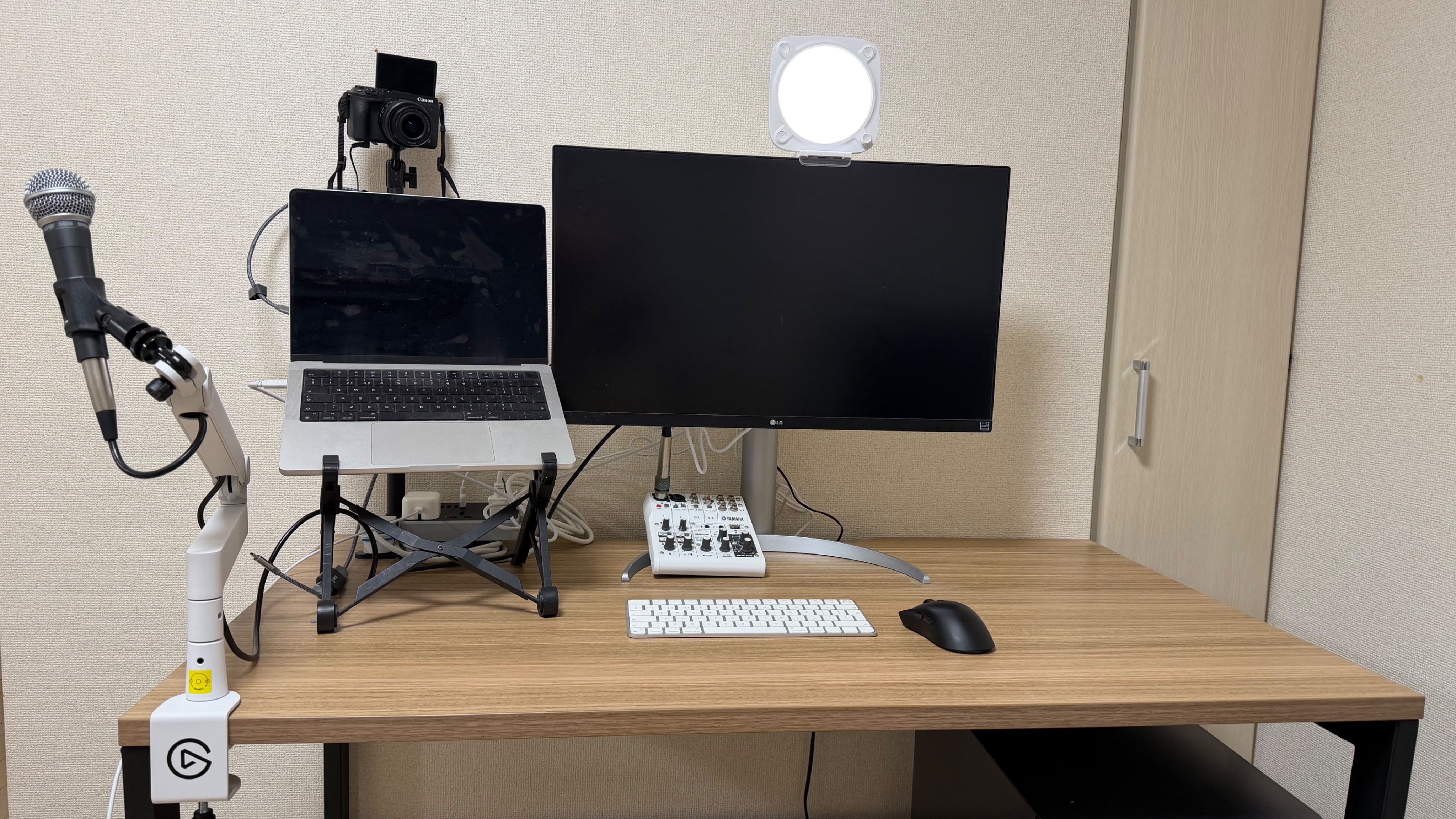
I've always struggled with setting up for recording, so I'm really happy with my new Elgato gear.
The pneumatic mic arm solves all the complaints I had with spring-based mic arms, and this table mount saves me pulling forward my table for a tripod. The key light is great, too!
1
3
1,181
After 62 hours in notarisation jail, I'm finally through! 🥳
For the first time in nearly a decade of building native Apple apps, I've made something that can be distributed outside of the App Store.
Hoping this can change React Native Desktop forever.

Update: Apple's `notarytool` CLI command has been running for 52 hours now. My app still isn't notarised.
If this had been running on the cheapest GitHub Actions macOS CI runner (assuming an unlimited timeout), this would have cost me $249.60 already
2
3
99
13,730
Here is a list of evacuation centres in Aomori prefecture. It's not clear whether all of them are appropriate for tsunamis, but it's a start.
kokuminhogo.go.jp/pdf/hinan_…
249
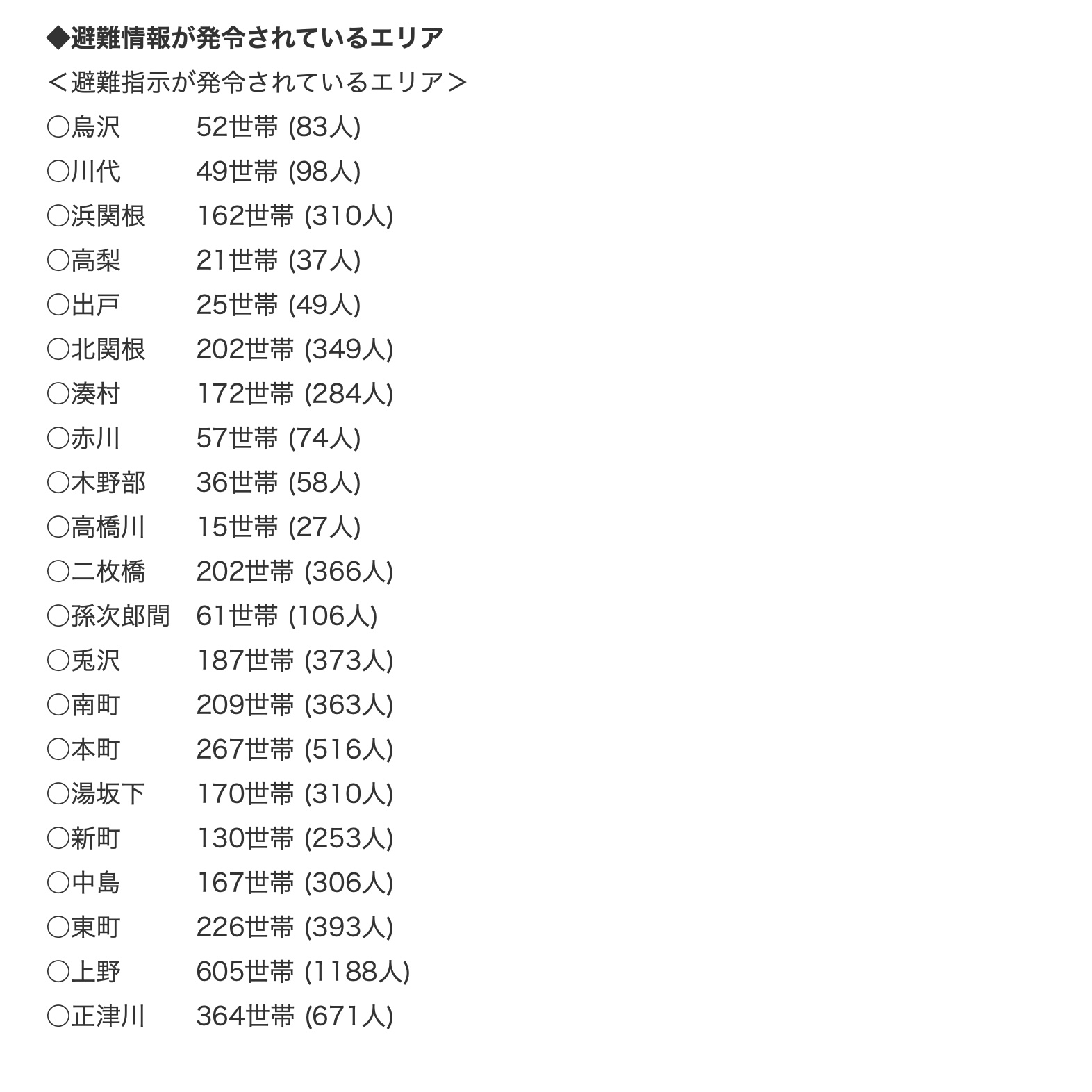
The following households in Aomori were advised to evacuate as of 00:44 today:
newsdig.tbs.co.jp/articles/-…
1
291
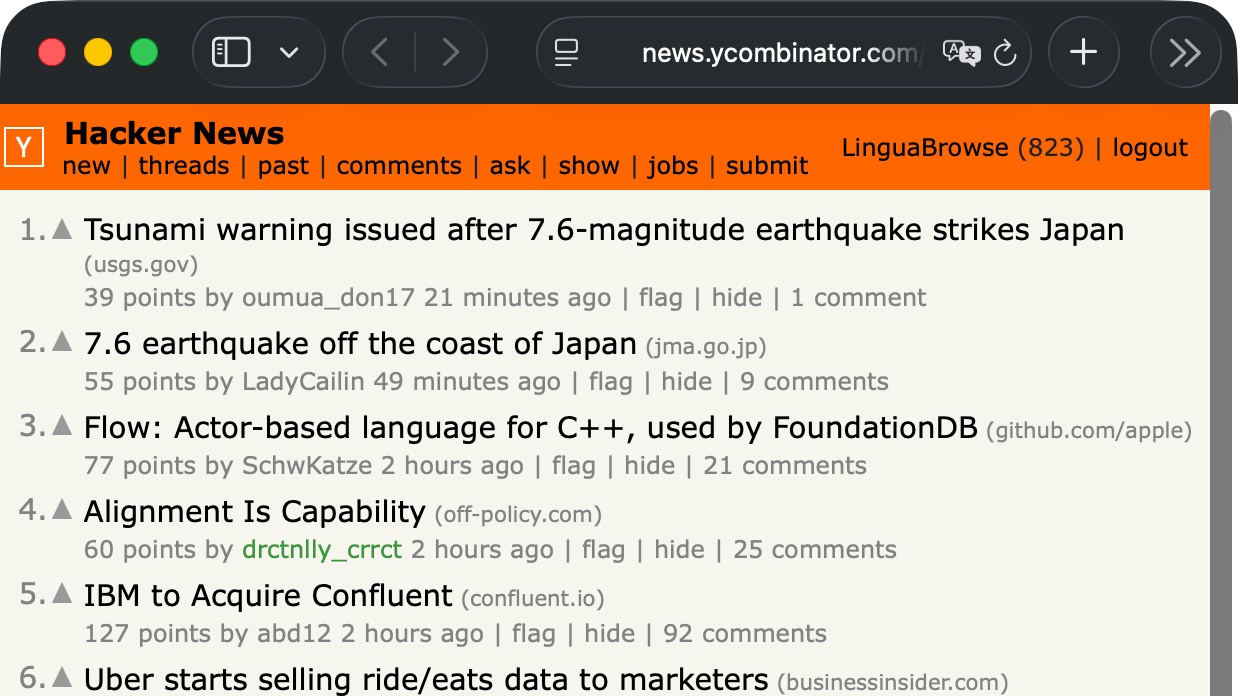
Just to get ahead of this, as the Aomori earthquake is spreading on the news – I'm fine here in Tokyo!
Aomori area:
- Intensity 6+
- 3m Tsunami Warning
Tokyo area:
- Intensity 3
- < 20 cm Tsunami Forecast
For those in Aomori, I attach emergency information below. Stay safe!
1
1
666
Update: Apple's `notarytool` CLI command has been running for 52 hours now. My app still isn't notarised.
If this had been running on the cheapest GitHub Actions macOS CI runner (assuming an unlimited timeout), this would have cost me $249.60 already
Update: Apple's `notarytool` CLI command has been running for 27 hours now. My app still isn't notarised.
And they have the gall to charge money for the Apple Developer program. Look at this stellar developer experience that's so much better than the open web.
4
3
231
42,149