

🤝 Open source advocate 👽 Maintainer of @stryker_mutator 💼 Manager and trainer @InfoSupportBV 💚 Loves green energy and vegetables
Holland and Belgium
- Tweets 3,016
- Following 596
- Followers 453
- Likes 5,176















OK, time for some nerdy #mutationtesting internals tweets 🤓.
@stryker_mutator uses mutation switching (or "mutant schemata"). All mutants are placed in the code at the same time, yet a single mutant is active at any one time.
What does this mean for StrykerJS?🤔
1
1
3
When StrykerJS places these 2 mutants, it looks like:
const even = global.activeMutant === "1"?
numbers.map(n => global.activeMutant === "2"? n / 2 : n % 2)
: numbers?.map(n => global.activeMutant === "2"? n / 2 : n % 2)
Whoaaaahh 😱 What happened here?
1
1
Nico Jansen retweeted

Stryker4s, the #mutationtesting tool for @scala_lang, is now a lot faster 🚀. We've achieved a ~60x performance improvement 🤯!
Read up on how we did it and how to use it today! stryker-mutator.io/blog/stry…
2
12
35
Q: Should open source developers start requiring people to use Linux, Mac (or WSL) to develop their projects? And stop focussing on Windows?
33%
Yes
67%
No
6 votes • Final results
1
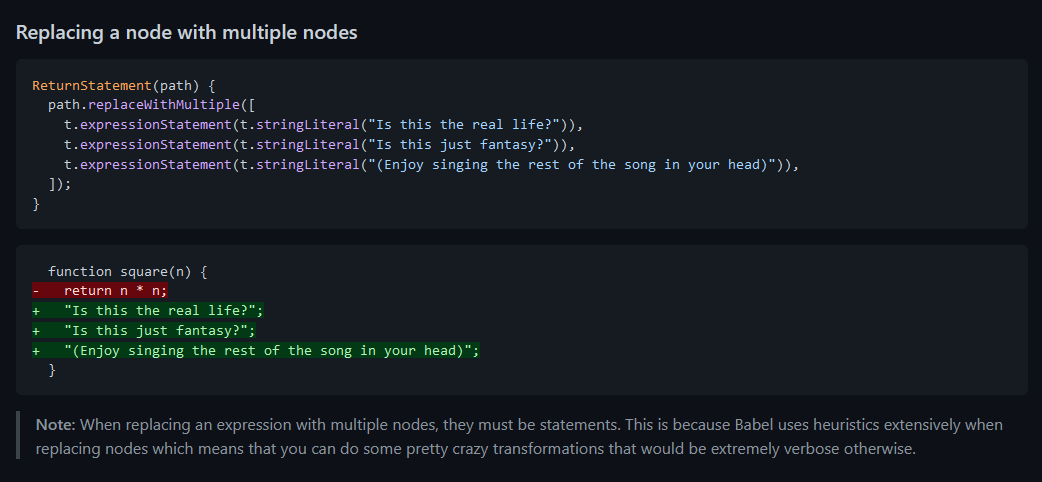
Me 🤠:
"What the use case is for 'call by value' in @scala_lang ."
@Hugo_vrijswijk 🦸♂️:
"Well, if you would want to implement your own `or`-operator...".
🤠:
"Implementing your own `or` operator is the most Scala-ish thing I've ever heard!"
1
Nico Jansen retweeted
StrykerJS 5.0 is here 🚀
With a new 🧪test view in your reports telling you which tests are 'useless'.
Also: new mutators, support for `--ignorePatterns`, `perTest` coverage analysis by default, and more!
Read up on what's new and get it today! 👽🔫
stryker-mutator.io/blog/anno…
8
17

Nico Jansen retweeted

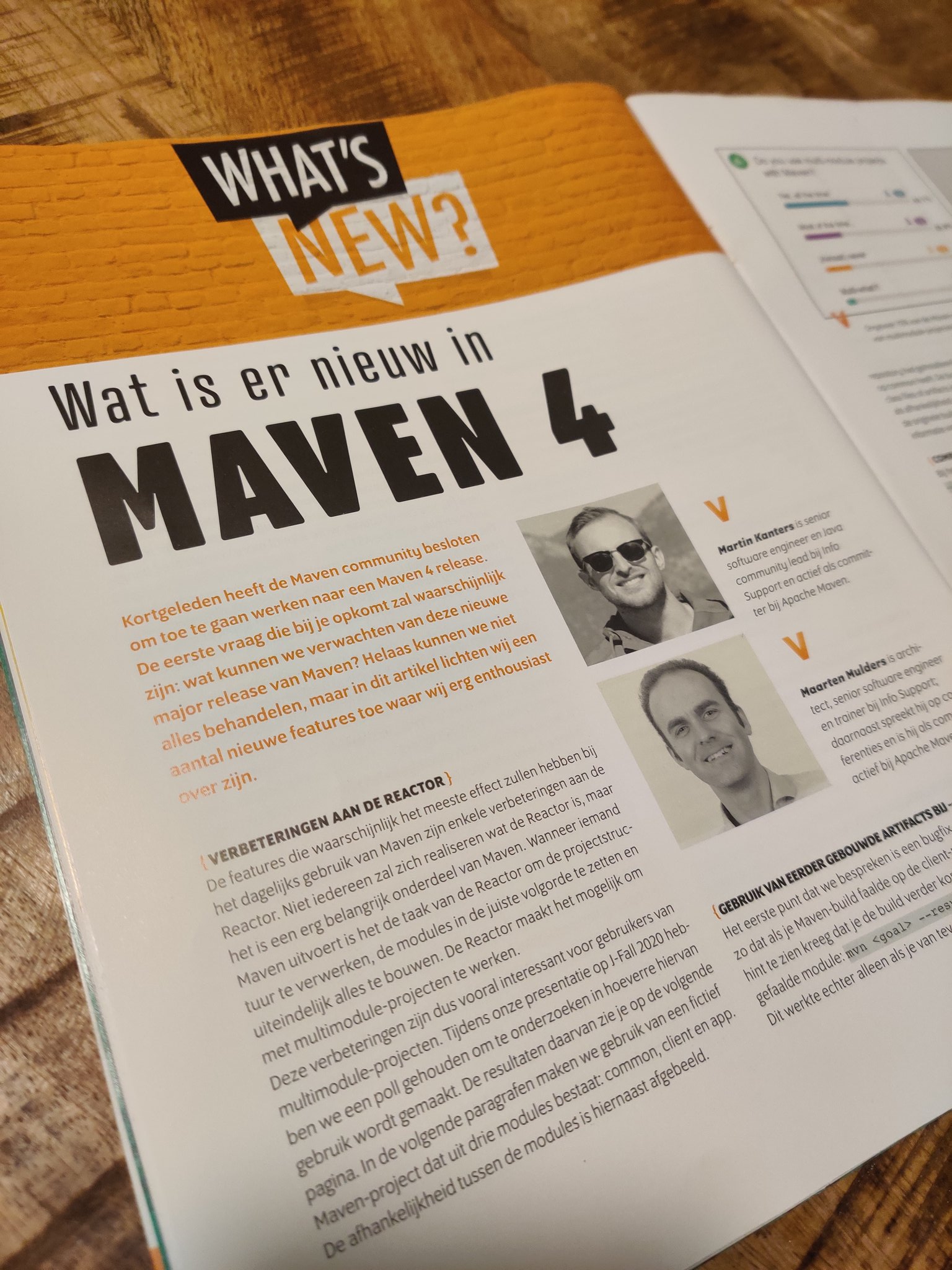
Took a bit longer than others, but I finished reading the latest edition of the @JavaMagazineNL! Three articles about @ASFMavenProject and (myself excluded) three @InfoSupportBV colleagues as authors! Really enjoyed it.
3
9
🤫 StrykerJS v5 will be able to tell you which tests are useful and which aren't
github.com/stryker-mutator/s…
4
Nico Jansen retweeted

Look what I found in my mailbox today! A brand new @JavaMagazineNL, featuring a brand new article by @MartinKanters and yours truly. Subject: brand new features in the next major release of @ASFMavenProject. Stay tuned! #opensource #awesomesauce
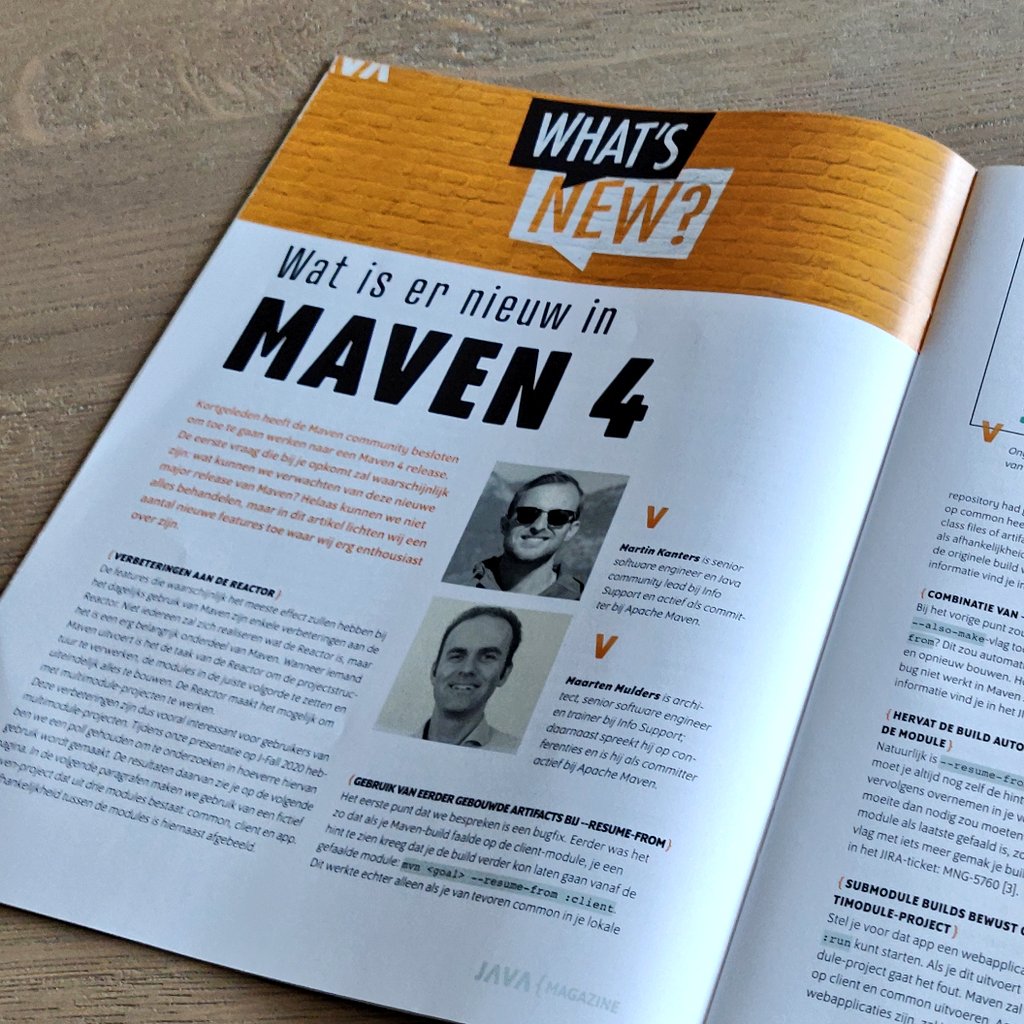
ALT Picture of article in paper magazine about Maven 4
2
4
23
Nico Jansen retweeted

Watch my latest @YouTube video about Mutation Testing
#mutationtesting #coding #testautomation
youtu.be/41ywot_Z_Ts
2
3
9
All I wanted for my birthday is to drop node 10 support in StrykerJS @stryker_mutator . Thanks for delivering, @nodejs ! 🥳

3
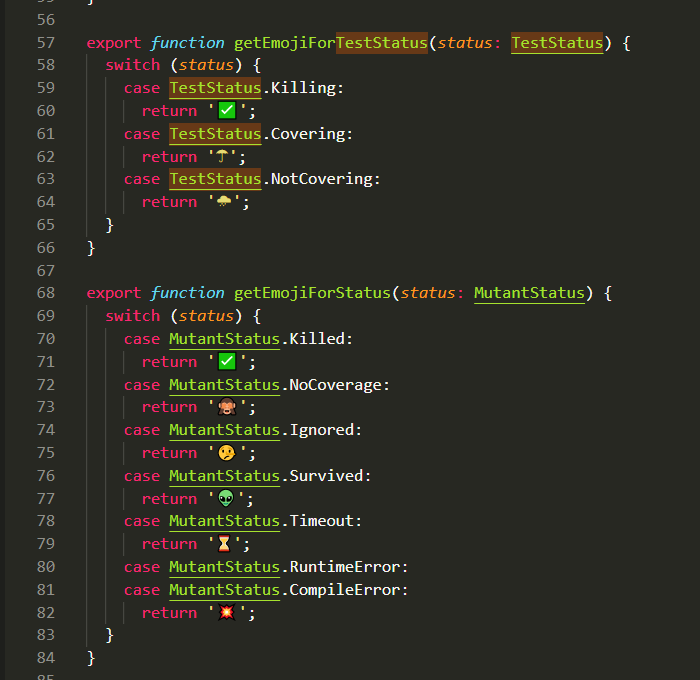
🎉 I just got my first PR accepted for Jest 🃏. Yes, it will help improve Jest support in StrykerJS 👽. Thanks to @SBekkhus for all the help 🤟 github.com/facebook/jest/pul… @fbjest
6