

The React Framework – created and maintained by @vercel.
- Tweets 339
- Following 15
- Followers 287,764
- Likes 215







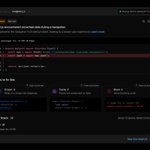

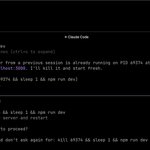
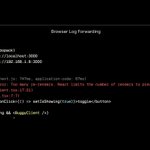
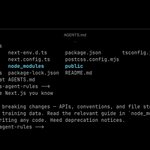

Next.js 16.2: AI Improvements
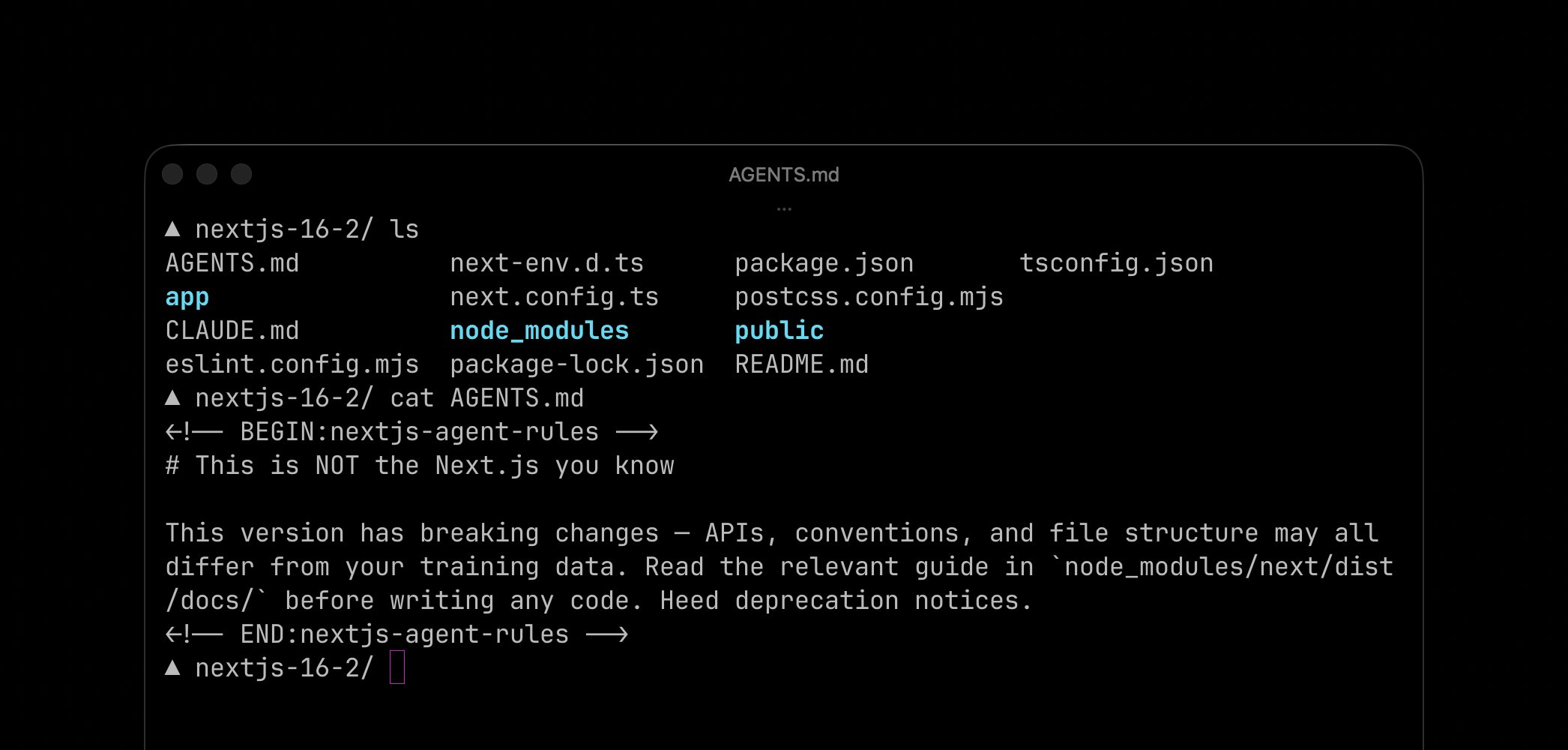
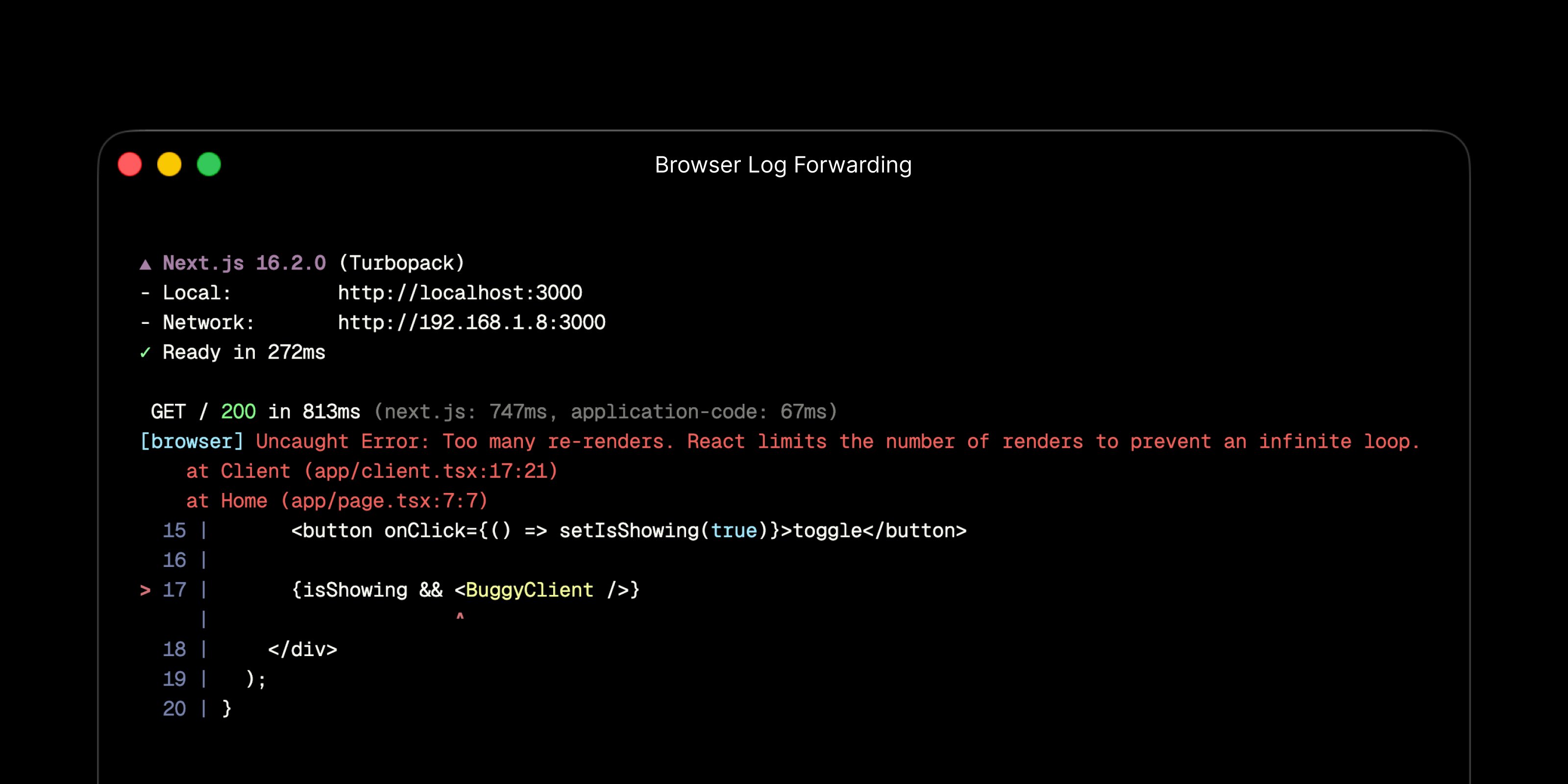
• Next.js-aware browser lets Agents improve your app
• 𝙰𝙶𝙴𝙽𝚃𝚂.𝚖𝚍 included in 𝚌𝚛𝚎𝚊𝚝𝚎-𝚗𝚎𝚡𝚝-𝚊𝚙𝚙 by default
• Browser errors forwarded to terminal
• Dev server lock file prevents duplicate servers
nextjs.org/blog/next-16-2-ai
15
80
856
162,879
Turbopack: What's New in Next.js 16.2
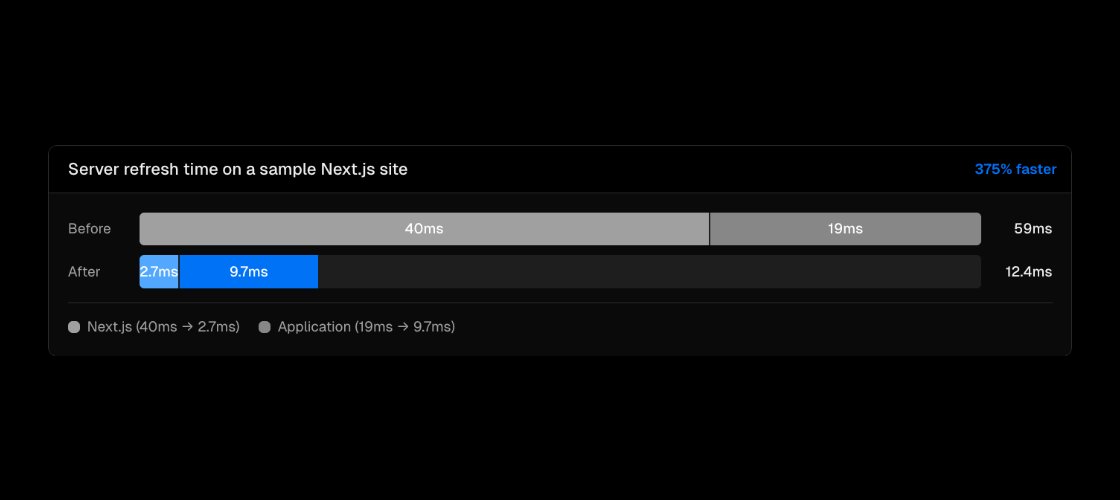
• Up to ~375% faster updates with Server Fast Refresh
• Improved Web Workers support
• Subresource Integrity (SRI) support
• Tree shaking for dynamic 𝚒𝚖𝚙𝚘𝚛𝚝()
• 200+ bug fixes
nextjs.org/blog/next-16-2-tu…
17
33
532
40,978
Next.js 16.2
• Up to ~60% faster rendering
• Up to ~400% faster 𝚗𝚎𝚡𝚝 𝚍𝚎𝚟 startup
• Server Function 𝚍𝚎𝚟 logging
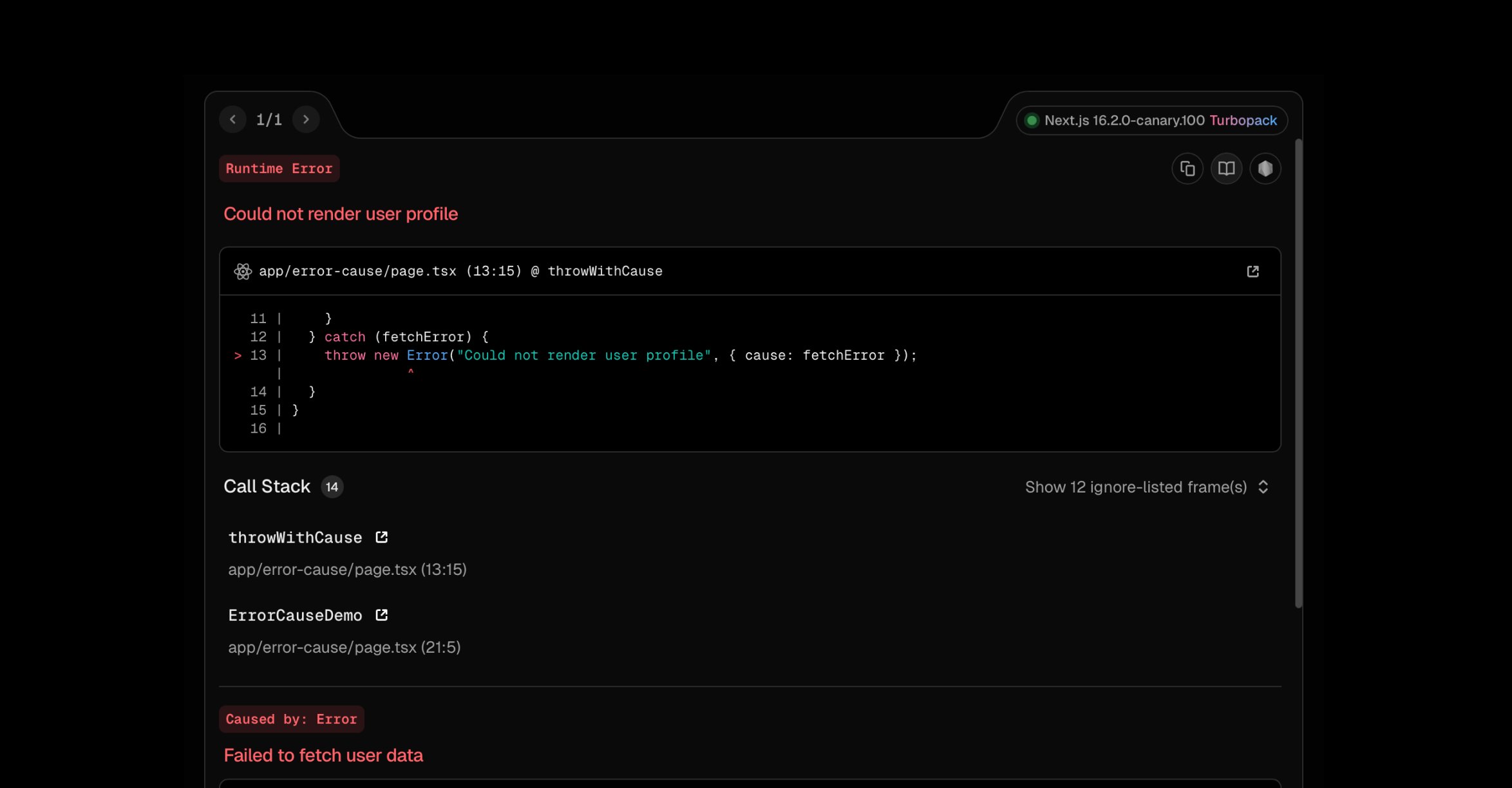
• Redesigned error page
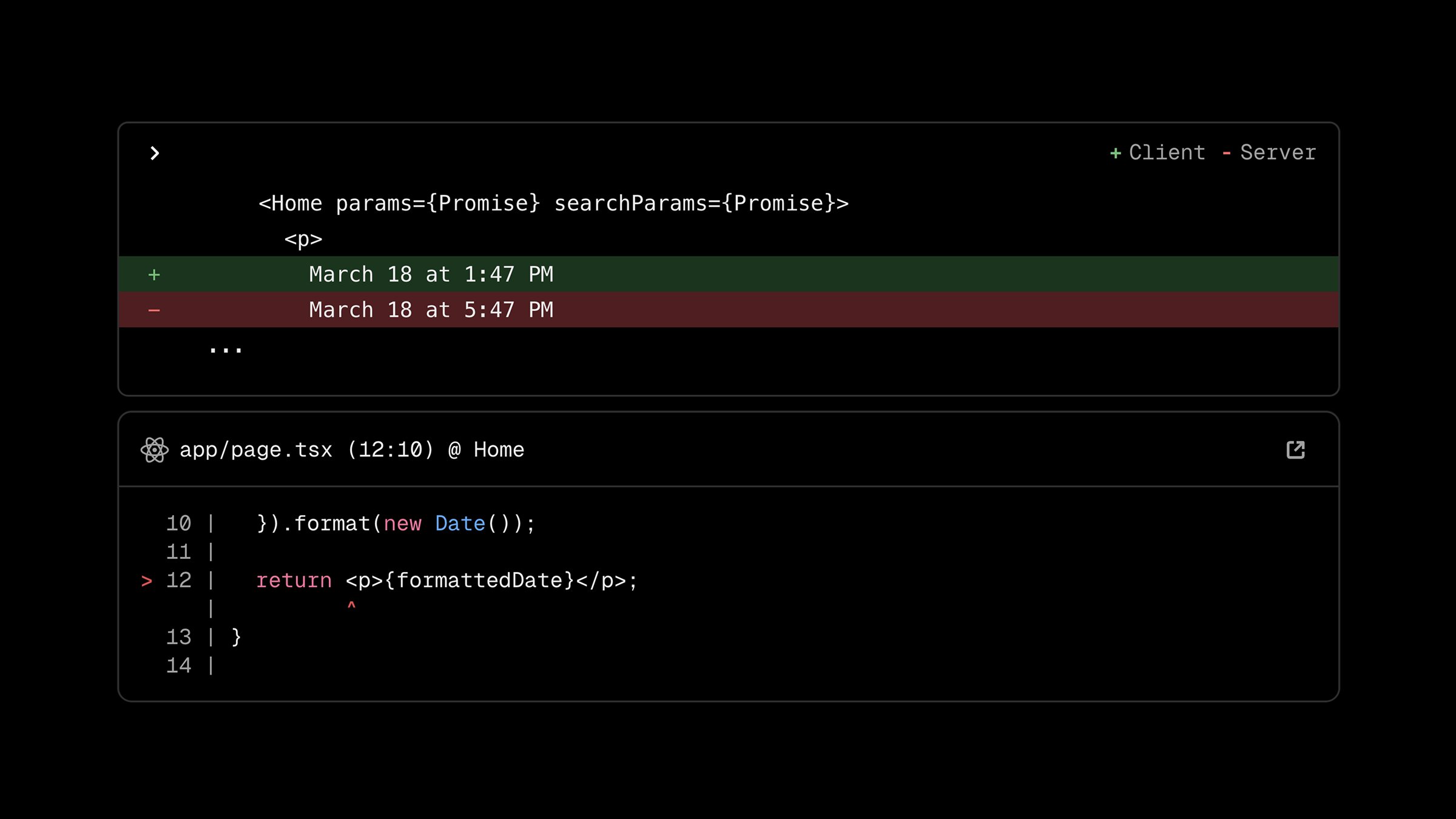
• Better hydration errors
• 𝙴𝚛𝚛𝚘𝚛.𝚌𝚊𝚞𝚜𝚎 display in error overlay
nextjs.org/blog/next-16-2
149
387
4,124
463,537
As more Next.js apps are built with AI, we've been focusing on improving the agent experience.
Here's what we've learned, and how we're thinking about agents as first-class users ↓
nextjs.org/blog/agentic-futu…
20
37
505
47,812
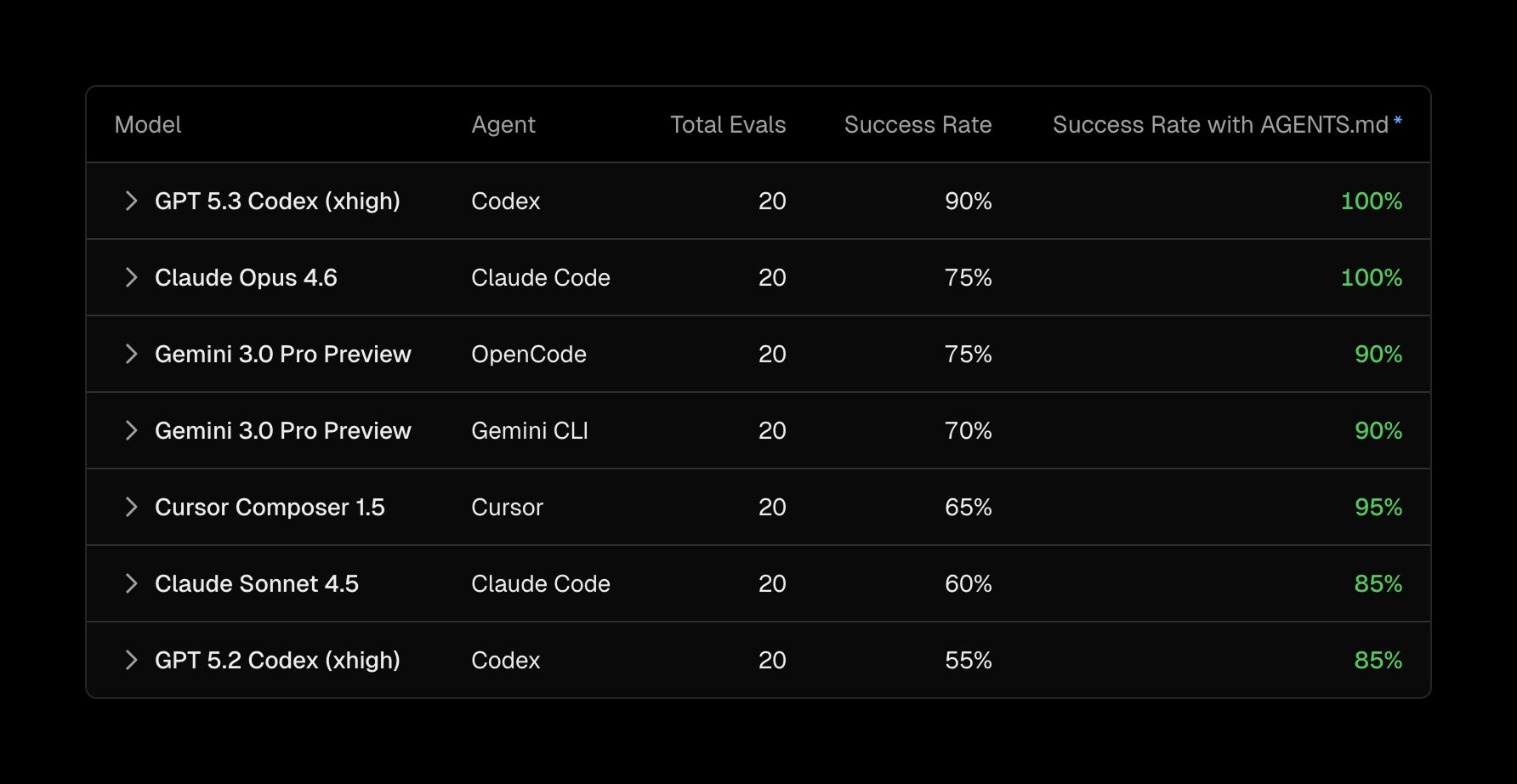
GPT 5.3 Codex has achieved the highest success rate on Next.js evals.
View the leaderboard ↓
vercel.fyi/next-evals-2-5
19
40
598
42,806
How we're making Turbopack fast.
In this deep dive, @lukeisandberg explains how Turbopack uses incremental caching and compilation so the cost of work scales with your change, not the size of your app.
10
22
236
23,690