
Sakarīgs kundziņš. Te rakstītais ir mans privāts viedoklis. Savām domām parasti piekrītu.
Rīga
- Tweets 81,340
- Following 99
- Followers 1,917
- Likes 2,391




Ritvars Eglājs 🇱🇻🌻🇺🇦 retweeted

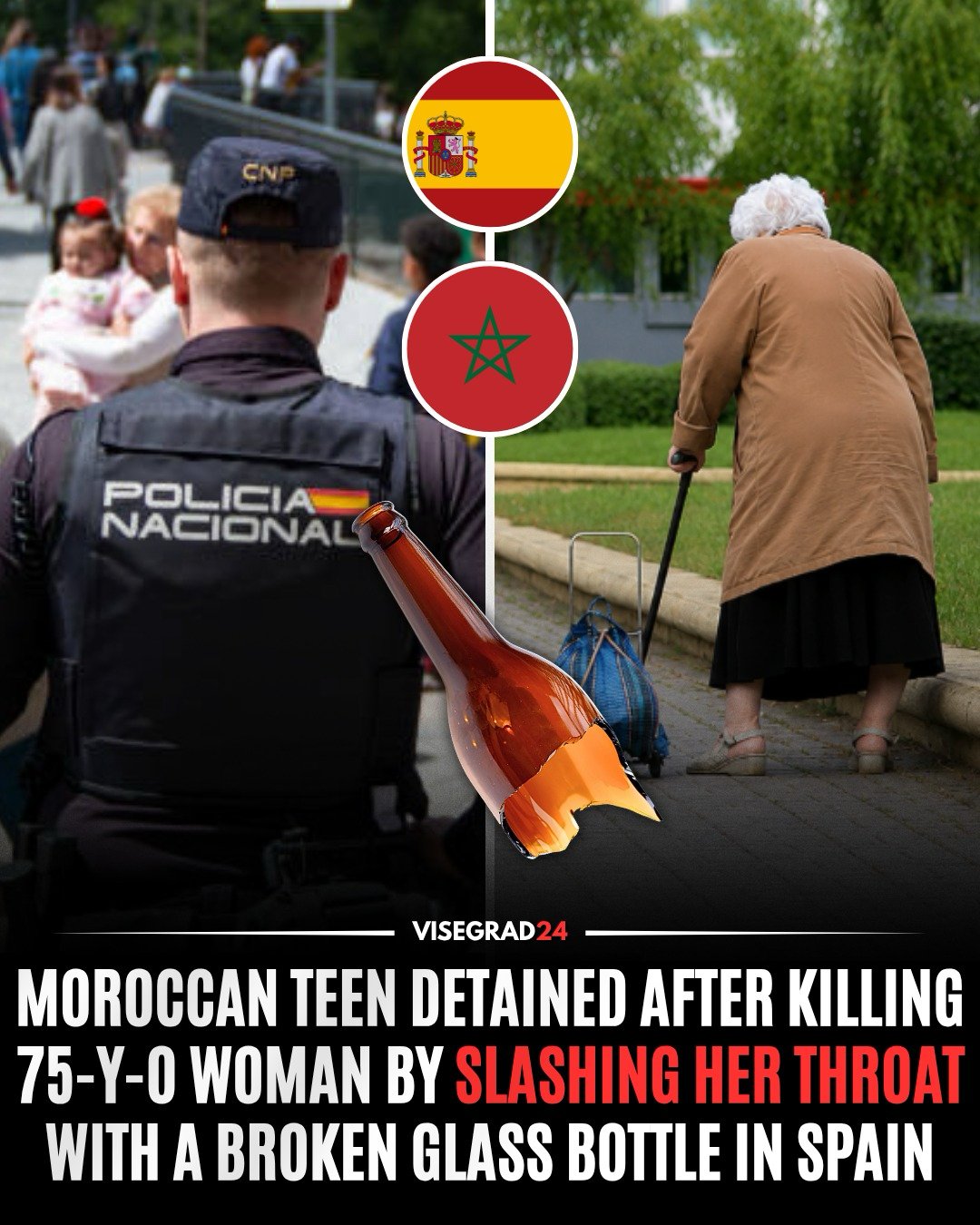
A 19-year-old Moroccan farm worker has been detained for fatally attacking a 75-year-old woman in Soses, in Spain's Lleida province, by slashing her throat with a broken glass bottle.
The victim disappeared on Saturday evening after leaving home to walk her dog. The dog later returned alone, prompting relatives and neighbors to alert police.
Officers found the woman's body in a cornfield about an hour after the missing-person report was filed.
Authorities say the suspect and the victim did not appear to know each other and the motive remains under investigation.
144
1,212
3,020
86,180
Drošība. Kārtība. Tīrība. Dombrava.
/@kunilsingus/

Reida laikā parbaudītas 235 personas. No tiem 87 ārzemnieki.
Viena persona, nodota VRS, nav tiesiska statusa uzturēties Latvijā. Pārbaudīti 10 Sudānas piederīgie - nogādāti uz centru Muceniekos.
Aizturēta viena meklēšanā esoša persona par tiesas sprieduma neizpildi. 1 kriminālprocess par zādzību no tirdzniecības vietas - persona aizturēta. 1 kriminālprocess par narkotisko vielu glabāšanu.
25 administratīvie pārkāpumi no tiem trīs par narkotisko vielu glabāšanu nelielos apmēros, kopā izņemta marihuāna - 3gr.
Divi Indijas pilsoņi ir veikuši administratīvos pārkāpumus par transportlīdzekļu vadīšanu bez derīgām tiesībām.
Pārbaudītas 8 ēdienāšanas iestādes - resorsikās pārbaudes par valsts valodas nelietošanu apkalpošanas jomā. Tiks turpinātas pārbaudes saistībā ar nodarbinātību.
Pārbaudīti 3 hosteļi.
3 gadījumos policija nogādāja personas uz patversmi.
Video: LTV
236
Ritvars Eglājs 🇱🇻🌻🇺🇦 retweeted
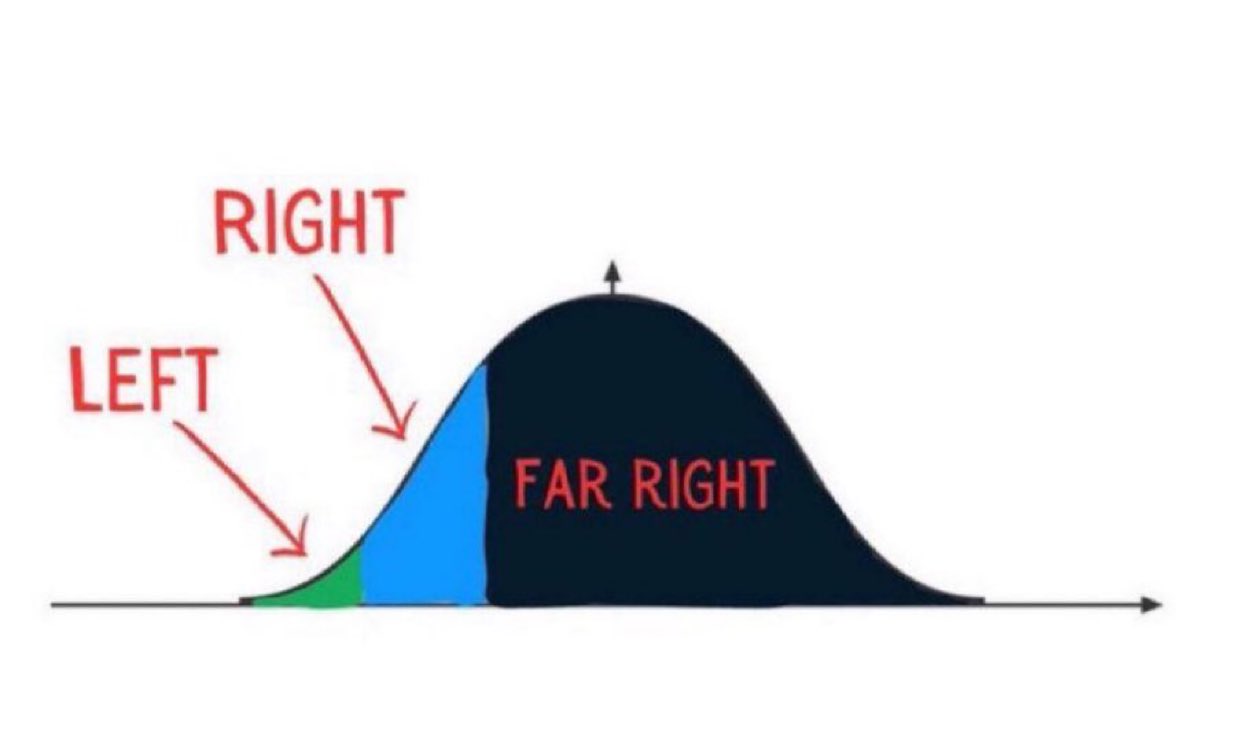
The term far right has become so broadly applied that it includes normal people now.
574
2,134
12,811
8,520,597
Ritvars Eglājs 🇱🇻🌻🇺🇦 retweeted

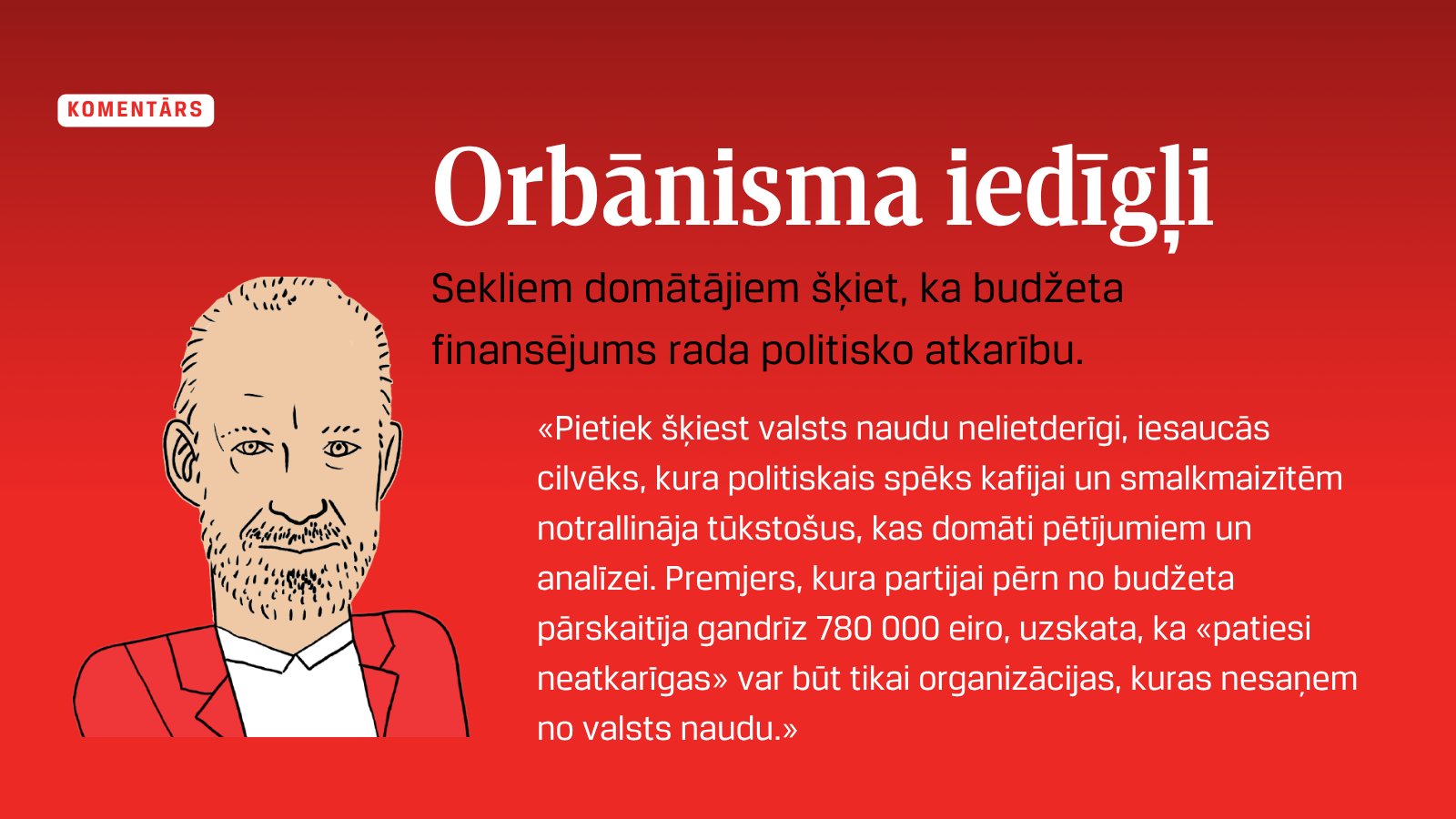
Orbāna varas konsolidācija balstījās tieši šādā mehānismā — valsts līdzekļu novirzīšanā politiski lojālām organizācijām. Tādēļ Ungārijas piemērs patiešām ir pamācošs: kļūstot finansiāli atkarīgām no varas, šīs NVO zaudēja arī faktisko neatkarību. Kas maksā, tas pasūta mūziku.

4
41
127
3,316

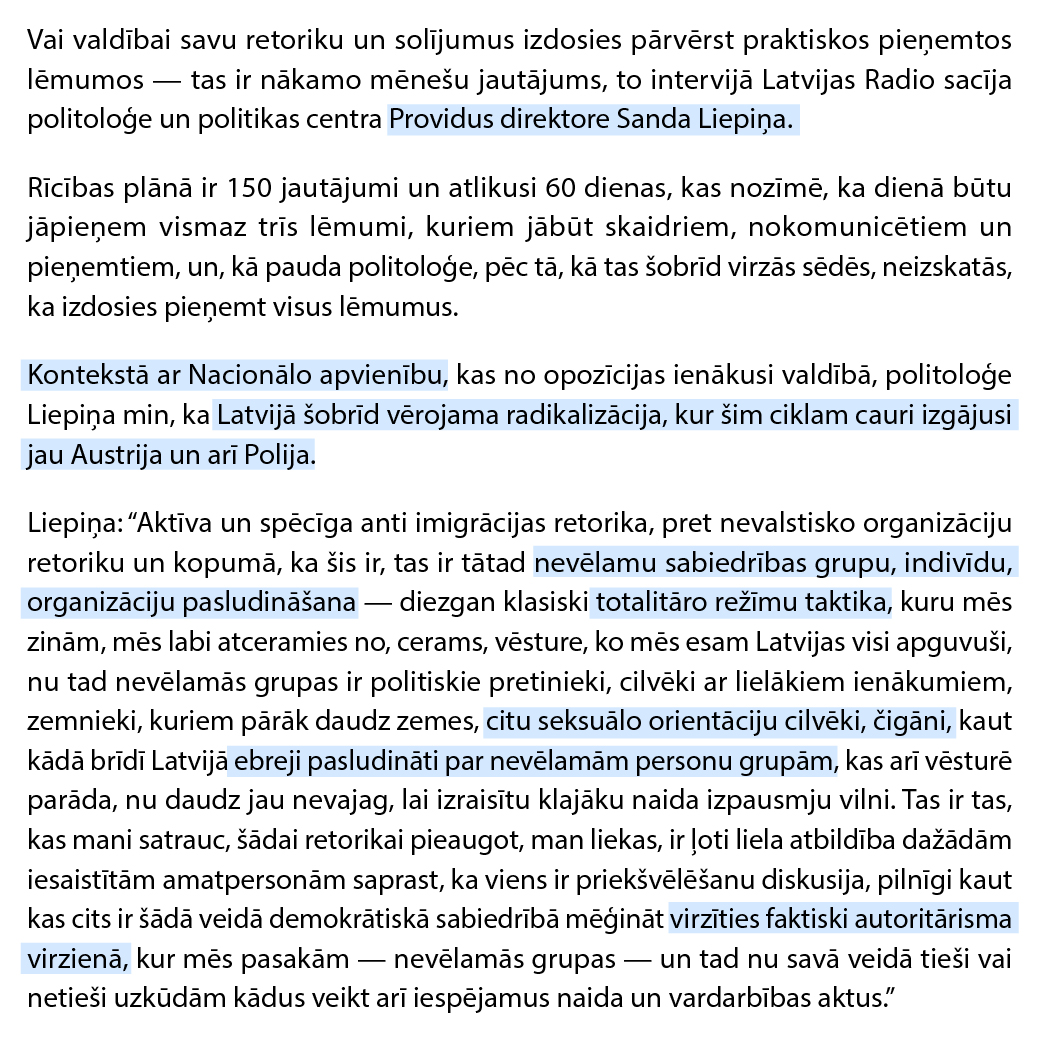
Šorīt LR1 4-minūšu ziņās plkst. 10:00 atradās vieta šādam garam vēstījumam.
latvijasradio.lsm.lv/public/…
Nevar teikt, ka šāda programmēšana tur notiek katru dienu, katru stundu — nav jau viņi dumji. Saprot, ka jācenšas dozēt, lai klausītāji to visu absorbē "organiski".
4
12
21
763
Ritvars Eglājs 🇱🇻🌻🇺🇦 retweeted

Biedrības "Tavi draugi" noliktava, iespējams, aizdedzināta Krievijas interesēs, pauž VDD delfi.lv/a/120127848
2
2
271
Sodāmības kritērijs neatšķiŗas.
Atšķiŗas noziedzīga nodarījuma kritērijs.
Pašvaldībām (likumi.lv/ta/id/57839#p9): "..kuras ir sodītas par smagu vai sevišķi smagu noziegumu, izņemot.."
Saeimai (likumi.lv/ta/id/35261#p5): "..kuras ir sodītas par tīšu noziedzīgu nodarījumu, izņemot.."

Daudzi brīnās, kāpēc ar sodāmību nevar kandidēt uz Saeimu, bet var brīvi strādāt Rīgas domē.
Domē, atšķirībā no Saeimas, sodāmība ir pat vēlama. Kā tu vari pārvaldīt Rīgas ielas, ja pats neesi tās pa īstam piedzīvojis?
4
407
Ķīšezera peldētava
ritvars.wordpress.com/2026/0…
77
Ritvars Eglājs 🇱🇻🌻🇺🇦 retweeted

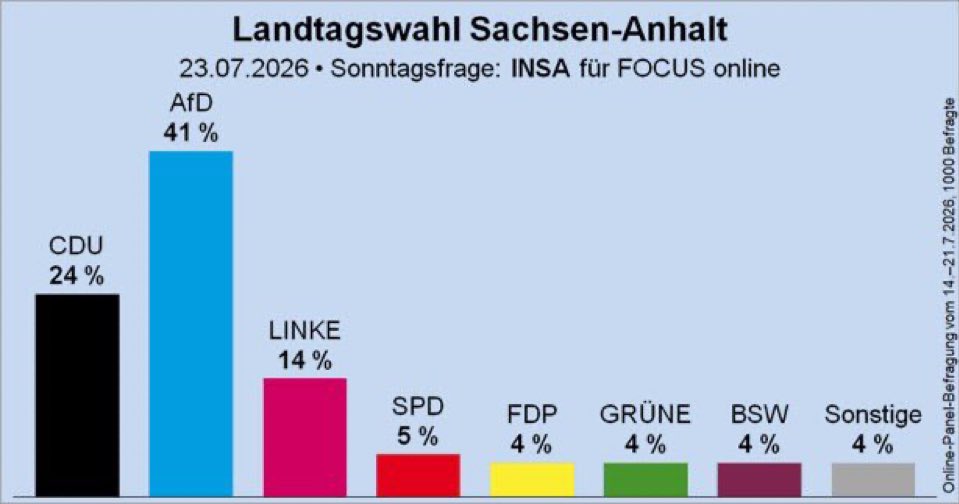
6.septembrī šajā vācu federālajā zemē būs vēlēšanas.
Vēl 2015.g. sociāldemokrātiem SPD bija 21%, AfD knapi 5%.
Ja vēlēšanu iznākumā SPD netiks iekšā, AfD iegūs absolūtu vairākumu.
#NekasNavSaistītsArNeko
3
3
16
851

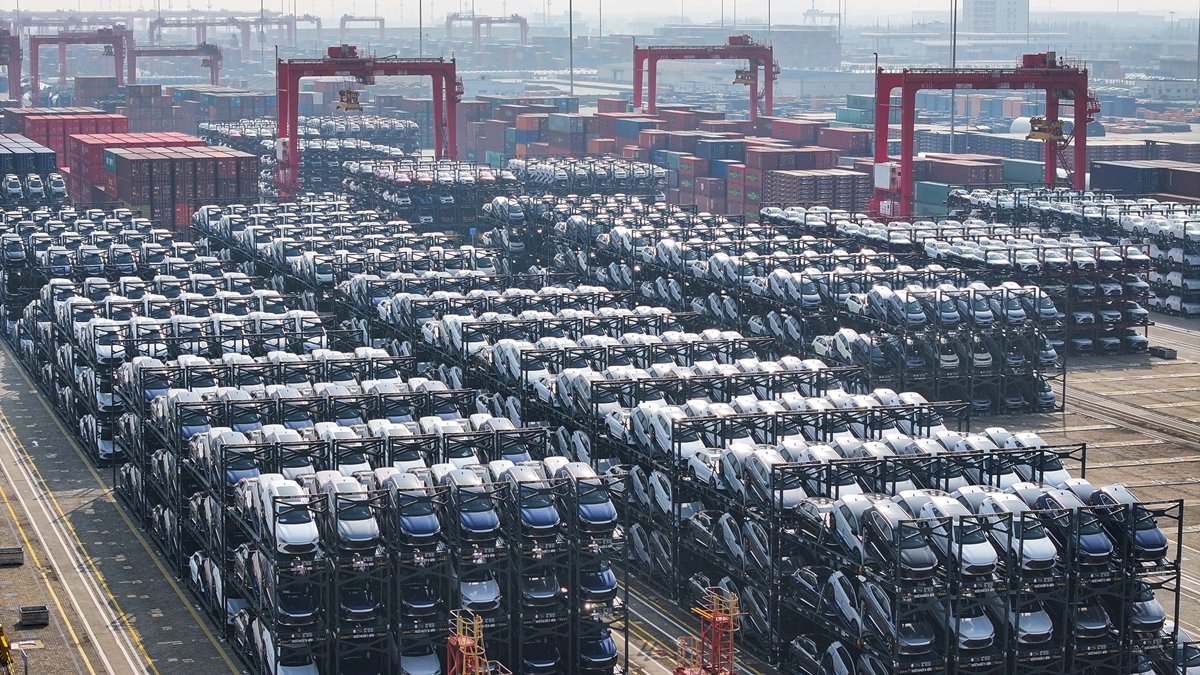
🚨 China’s Cars Are Computers on Wheels. America Is Right to Shut the Door
A Chinese connected car is not merely a cheap electric vehicle. It is a rolling sensor platform, capable of collecting location data, driving patterns, personal information and images of the infrastructure around it, while remaining reachable through wireless networks. Allowing such systems to fall under the influence of the Chinese Communist Party (CCP) would be an extraordinary act of strategic negligence.
On July 22, the Senate Committee on Commerce, Science, and Transportation advanced the bipartisan Connected Vehicle Security Act of 2026 with unanimous support. The bill, sponsored by Senators Bernie Moreno and Elissa Slotkin, would strengthen restrictions on Chinese-origin connected vehicles, software and critical hardware, and now moves toward consideration by the full Senate.
This is not ordinary trade policy. Modern cars communicate through cellular networks, Wi-Fi, Bluetooth and satellite systems. They can record where drivers live, work and travel. At scale, hostile actors could exploit them to map sensitive facilities, monitor movements, harvest personal data, conduct covert surveillance or enable cyber disruption and remote manipulation.
Beijing does not deserve the benefit of the doubt. The CCP routinely erases the boundary between private enterprise and state power. When a product can see, listen, transmit and receive commands, its political and legal chain of control matters as much as its price tag.
The United States is right to act before Chinese connected vehicles become deeply embedded in American roads and supply chains. Waiting for documented abuse after deployment would mean surrendering the advantage to the attacker.
Other democracies should pay attention. Ports, military bases, power grids and government buildings cannot be surrounded by foreign-adversary sensor networks disguised as affordable cars. Washington has drawn a necessary security line. Allied governments should draw theirs now.
ACI — Aric Chen | Insights
17
98
260
20,056
Varžu ielas valdzinājums
ritvars.wordpress.com/2026/0…
87
Ritvars Eglājs 🇱🇻🌻🇺🇦 retweeted
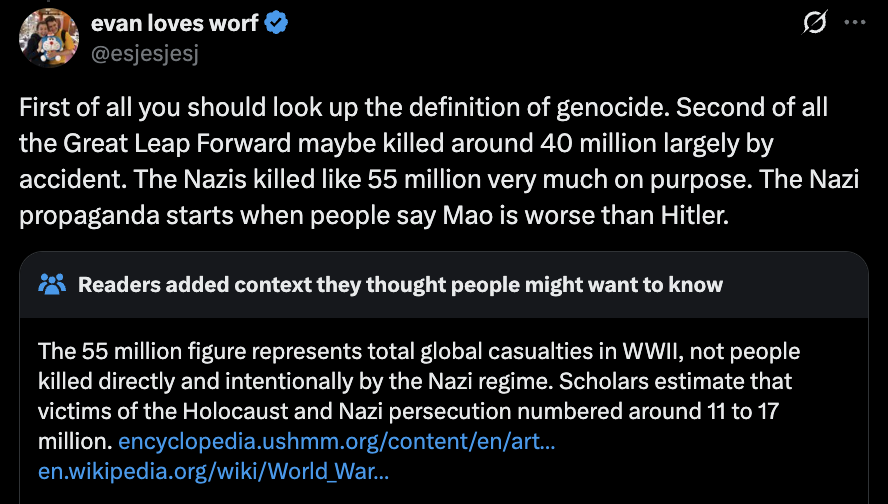
Communists will destroy society, kill millions, and learn nothing. They will write off their atrocities as unforeseen consequences of otherwise good intentions.
"Great Leap Forward maybe killed around 40 million largely by accident"
If your ideology repeatedly results in "accidents" that disastrous, maybe it's time for a new ideology?
27
62
459
28,742
Ritvars Eglājs 🇱🇻🌻🇺🇦 retweeted

Šodien Rīgas centra apkaimē sarīkojām palielu reidu. Dažu stundu laikā ir notikušas aizturēšanas par zādzībām un narkotiku glabāšanu, sodi par atrašanos alkohola reibumā publiskā vietā, problēmas ar darba atļaujām un valsts valodas nezināšana, ir aizturēti nelegāļi. Viss notiek!
Mums ir problēmas ar imigrācijas kontroli. Rīgas centrs ir pilns ar imigrantiem, bet robežsargus vajag vairāk.
Reids vēl turpināsies. Par rezultātiem ziņosim rīt.
81
192
1,062
32,610
Ritvars Eglājs 🇱🇻🌻🇺🇦 retweeted
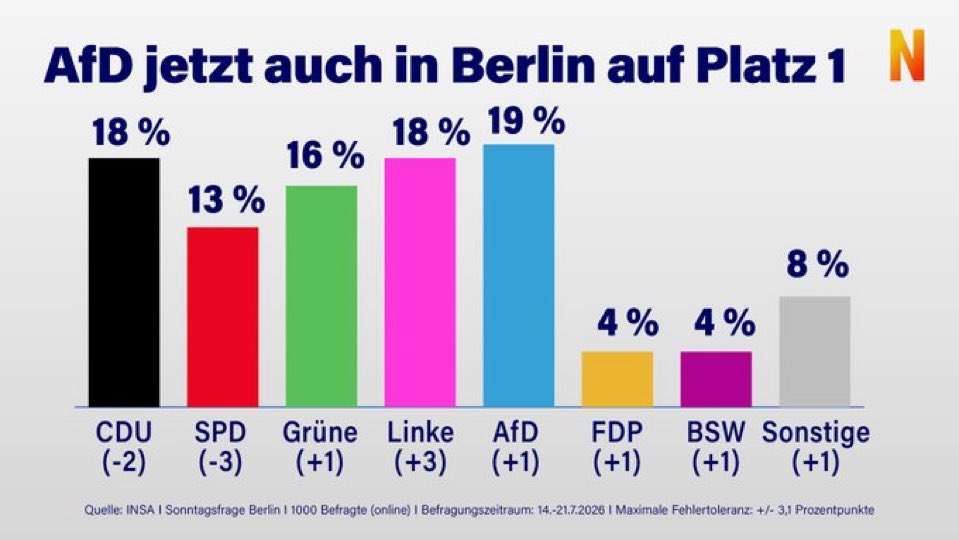
Mja… ja AfD pat Berlīnē jaunākajā aptaujā ir pirmajā vietā, tad Vācijā kaut kas pamatīgi briest un tas nav roltons.
Berlīne izsenis ir pensionāru, migrantu un studentu pilsēta ar izteikti kreisi-progresīvu ideoloģisko pārliecību.
13
18
83
6,197
Ritvars Eglājs 🇱🇻🌻🇺🇦 retweeted

The U.S. has always known that Russia is an empire and that, sooner or later, it would begin to invade Ukraine and other countries. This is not speculation or a conspiracy theory. It is based on their own documents.
In August 2025, the National Security Archive successfully sued the U.S. government to declassify the transcripts of conversations between Bush and Putin, which had been classified for two decades. The release began in late December. Add to that Ambassador Burns’s cable, released by WikiLeaks, and his letter to Secretary of State Rice — and we get the full picture: Washington heard everything, understood everything, and deliberately played along. Let’s go through the timeline.
Ljubljana, June 16, 2001. Bush’s first meeting with Putin. Putin immediately explains his worldview to the new U.S. president:
“What really happened? Soviet good will changed the world, voluntarily. And Russians gave up thousands of square kilometers of territory, voluntarily. Unheard of. Ukraine, part of Russia for centuries, given away. Kazakhstan, given away. The Caucasus, too. Hard to imagine, and done by party bosses.”
Twenty-five years ago. At their very first meeting — and Putin calls Ukraine “given away” Russian territory. He makes no secret of it. And immediately complains:
“But we feel left out of NATO. If Russia is not part of this, of course it feels left out. Why is NATO enlargement needed? In 1954, the Soviet Union applied to join NATO. I have the document.”
“But the real question is how we associate Russia with the rest of the civilized world. The fact is that NATO is enlarging and we have nothing to say about it.”
And now America’s response. After this very meeting, Bush addressed the press and delivered his legendary statement:
“I looked the man in the eye. I found him to be very straight forward and trustworthy… I was able to get a sense of his soul.”
This man had just told him that Ukraine was “rightfully” Russian territory. A soul, you’ve got to admit.
Kananaskis, June 27, 2002. Bush and Putin discuss Georgia. Here’s the dialogue:
Bush: “Georgia — I know you don't think Georgians can do the job. They are petrified of joint operations.”
Putin: “We will not insist.”
Bush: “They need to go get the killers.”
Putin: “They won't.”
Putin continues: “We will not make any movement on their territory. But if the activities force the terrorists to go to our territory, we will not wait. We will hit them in Georgia. I have issued an order. We are deploying troops to block the border.”
Bush: “We need to develop a plan. One that you know about. We will develop jointly. A plan that will tell the Georgians what to do.”
Putin: “They will not fight, they are linked in drug trafficking.”
Bush: “Let's call Shevardnadze's bluff.”
Read that again. The U.S. president and the Russian dictator are jointly devising a plan “that will tell the Georgians what to do,” discussing Russian strikes on the territory of a sovereign state, and mocking its president behind its back. According to the Archive’s own assessment, Bush expressed “full understanding” of possible Russian strikes on Pankisi. Six years later, the Russian army would invade Georgia.
February 2008. U.S. Ambassador to Moscow William Burns sends a cable to Washington with a title that says it all: “Nyet Means Nyet.” The embassy reports:
“Experts tell us that Russia is particularly worried that the strong divisions in Ukraine over NATO membership, could lead to a major split, involving violence or at worst, civil war. In that eventuality, Russia would have to decide whether to intervene.”
The Russian Foreign Ministry openly threatens: "A a radical new expansion of NATO may bring about a serious political-military shift that will inevitably affect the security interests of Russia" and that Moscow would "have to take appropriate measures."
And on February 8, Burns wrote personally to Rice:
“The next couple months will be among the most consequential in recent US-Russian relations. We face three potential trainwrecks: Kosovo, MAP for Ukraine/Georgia, and missile defense. But it's equally hard to overstate the strategic consequences of a premature MAP offer, especially to Ukraine.”
“Ukrainian entry into NATO is the brightest of all redlines for the Russian elite. Not just Putin.”
In other words, Washington knew for certain: Moscow considers Ukraine its property and is ready to use force. What conclusion did they draw? Not to restrain the empire. Not to arm potential victims. And not to provoke the Kremlin.
March 2008, a phone call ahead of the Bucharest summit. Bush asks Putin to be a “gentleman” in his remarks at the summit — so that he can come to Sochi for a visit afterward without any trouble. The U.S. president asks the dictator to behave politely because he has a visit planned. How sweet.
Bucharest, April 2–4, 2008. Ukraine and Georgia are denied MAP status. Instead of an action plan — a vague formula: “you will become members someday” — with no date, no mechanism, and no commitments. The Kremlin’s red lines proved more important than the security of two free nations.
Sochi, April 6, 2008. Two days after the summit, Bush is already visiting Putin. And he hears:
“Now I'd like to repeat what I said to Condi and Gates in Moscow on NATO enlargement. It won't be new to you, and I don't expect a response; I just .want to,say it out loud. I'd like to emphasize accession to NATO of a country like Ukraine will create for the long-term a field of conflict for you and us, long-term confrontation.”
Bush: “Why?”
Putin: “Seventeen million Russians live in Ukraine a third of the population. Ukraine is a very complex state. This is not a nation built in a natural manner. It's an artificial country created back in Soviet times. Following World War II Ukraine obtained territory from Poland, Romania and Hungary that's pretty much all of western Ukraine. In the 1920s and 1930s Ukraine obtained territory from Russia -- that's the eastern part of the country. In 1956, the Crimean peninsula was transferred to Ukraine.”
A complete imperial catalog of Ukrainian territory — right in front of the U.S. president. Crimea is mentioned by name, six years before the annexation. Putin, however, as always, got the year wrong — it was actually 1954. And note this: it was precisely these narratives about an “artificially created country” that became the driving force behind the propaganda during the full-scale invasion. It is also important that the dialogue explicitly states: Putin is “repeating what he told Condi and Gates in Moscow.” In other words, the entire top echelon of the U.S. government received this message personally. It gets even more explicit:
“Relying on the anti NATO forces in Ukraine, Russia would be working on stripping NATO of the possibility of enlarging. Russia would be creating problems there all the time.”
“And given the divergent views of areas of the population on NATO membership, the country could just split apart.”
This isn’t analysis. It’s a plan, voiced aloud. Regarding Georgia — they don’t even try to hide it:
“Now with Georgia, they believe with the shield of NATO they can restore their territorial integrity. Is this the right way to go, to spread NATO's military umbrella and let them start military operations in Ankhazia and South Ossetia? Guerilla warfare will start there as in Afghanistan. Will NATO go to war there? Of course not. The people in Georgia should be forced· to resolve their internal problems by other means. They will do it if forced to.”
“Will NATO go to war there? Of course not.” Putin already knew the value of Western guarantees back then. “Force them” — four months before the invasion. He is literally announcing the war to the U.S. president in person. And to complete the picture — his own remark about Chechen militants in Georgia:
“They played soccer with the heads of Georgians.”
And now — Bush’s reaction to everything he heard:
“One of the things I admire about you is you weren't afraid to say it to NATO. That's very admirabie. People listened carefully and had no doubt about your position. It was a good performance.”
The U.S. president had just heard that Ukraine was an “artificial country,” that Russia would “constantly create problems there,” and that Georgia would be “forced” to comply. And he responded with admiration. Four months later, Russian tanks were in Georgia. Six years later — the “little green men” were in Crimea.
Fourteen years later — a full-scale invasion.
Now, about the present. When Washington freezes aid to Kyiv, puts sanctions on hold, sends envoys to Moscow, and pressures us, demanding “compromises” involving the surrender of territories — this is not Trump’s policy. This is a consistent, twenty-five-year-long defense of the Kremlin’s interests. In 2001, Putin was paid a compliment about his character. In 2002, a plan for Georgia was drafted jointly with him. In 2008, Ukraine’s door to NATO was shut, and his threats were called a “good performance.” In 2026, we’re being asked to pay with territory for yet another “settlement.” One line. One pattern. The only difference is that before, this was whispered in Sochi, while Trump says it into a microphone.
The conclusion is simple. For twenty-five years, America chose “not to provoke Moscow” — and ended up with the biggest war in Europe since 1945. Concessions to an empire do not prevent wars — they merely set a date for them.
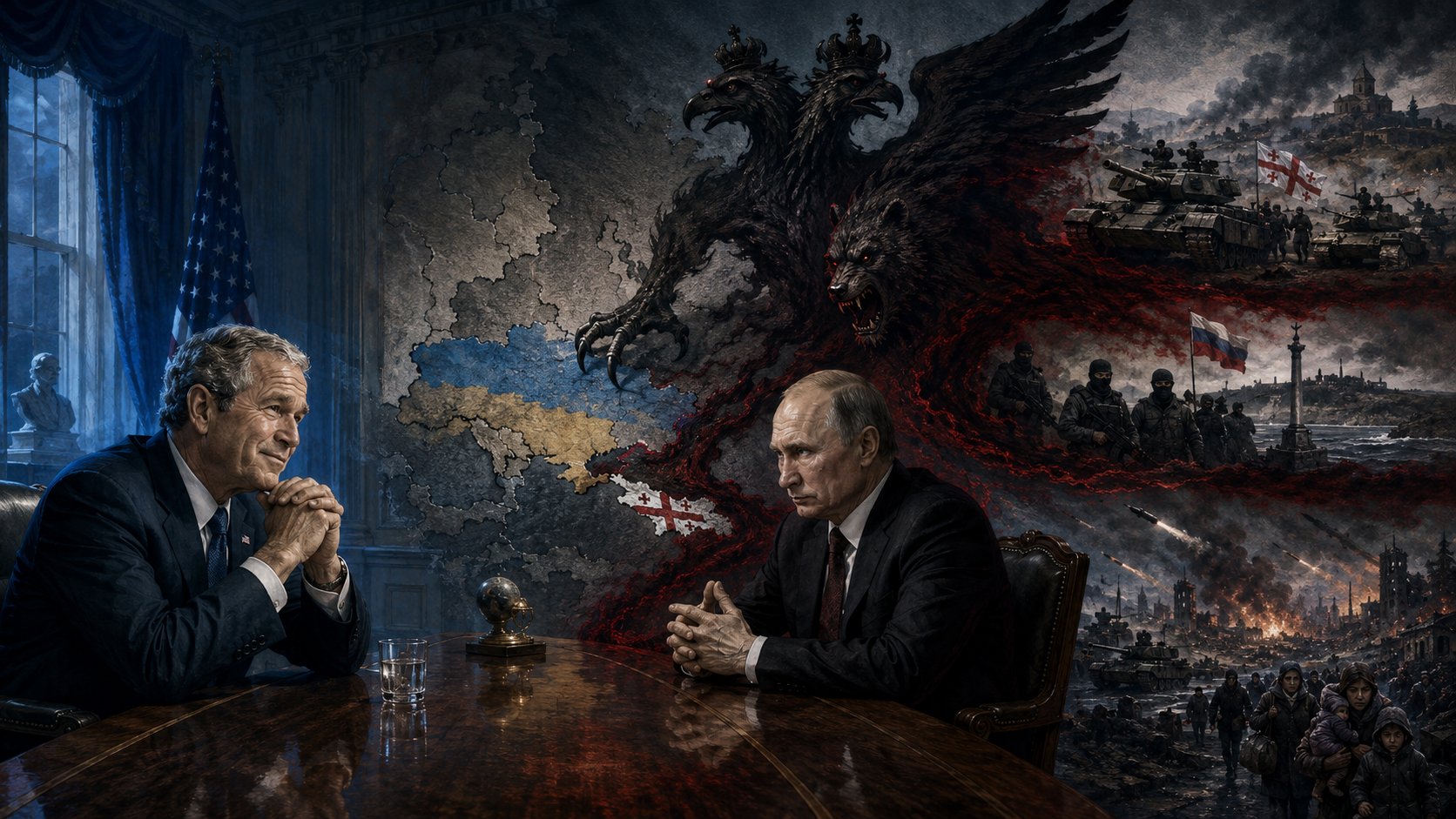
Made with AI
19
123
359
11,603

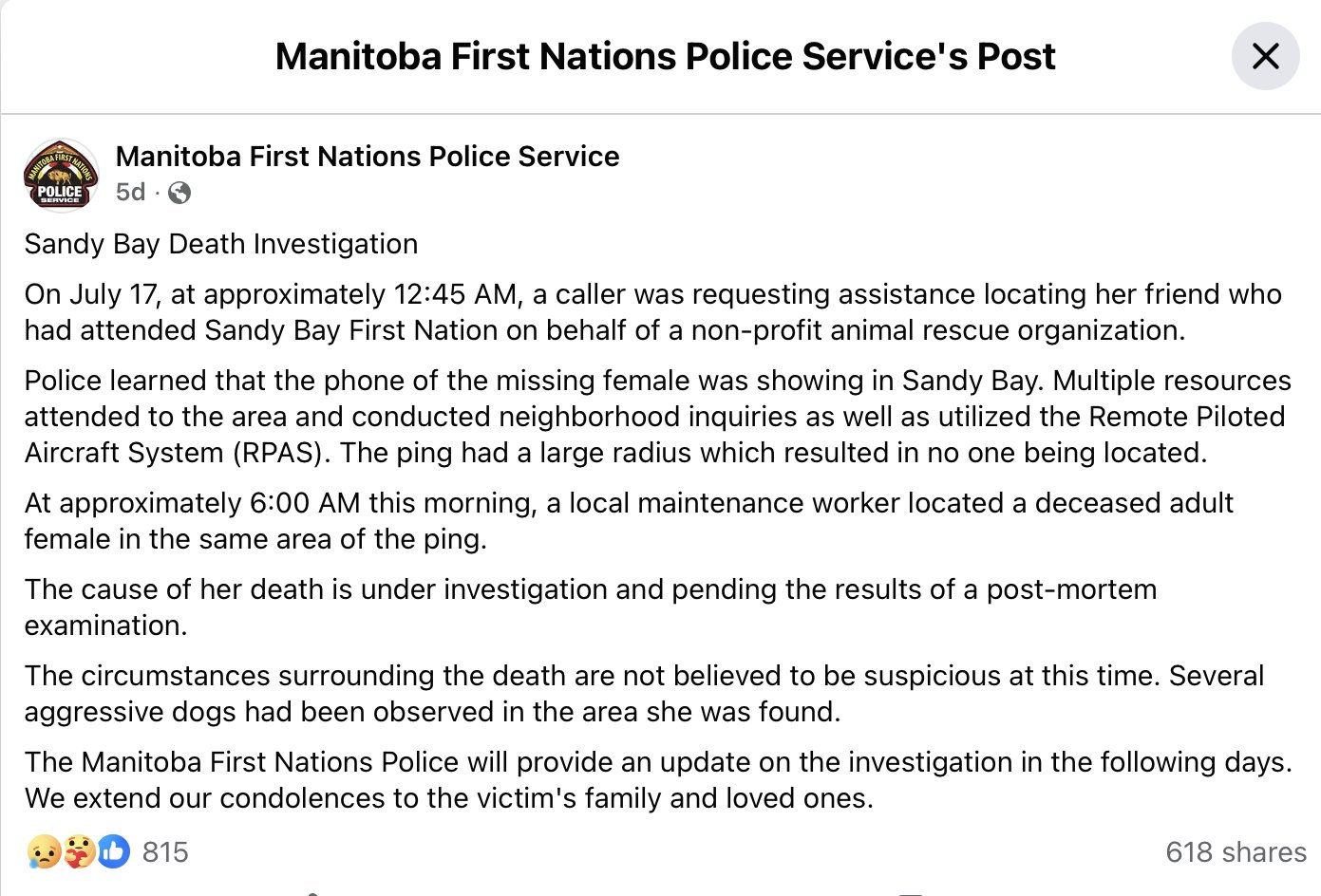
A well-meaning woman went to a First Nations Reserve to try and rescue some of their feral dogs.
She was dismembered and eaten.
Feral dogs are a solved problem in most of the first world, but not on Native Reserves.

This week, a Canadian woman was dismembered and partially eaten by dogs on a Reserve, and hardly a blip was mentioned by Canadian media because it projects negatively on Indigenous
Understand where you sit on the priority scale
2
24
1,789
Ritvars Eglājs 🇱🇻🌻🇺🇦 retweeted

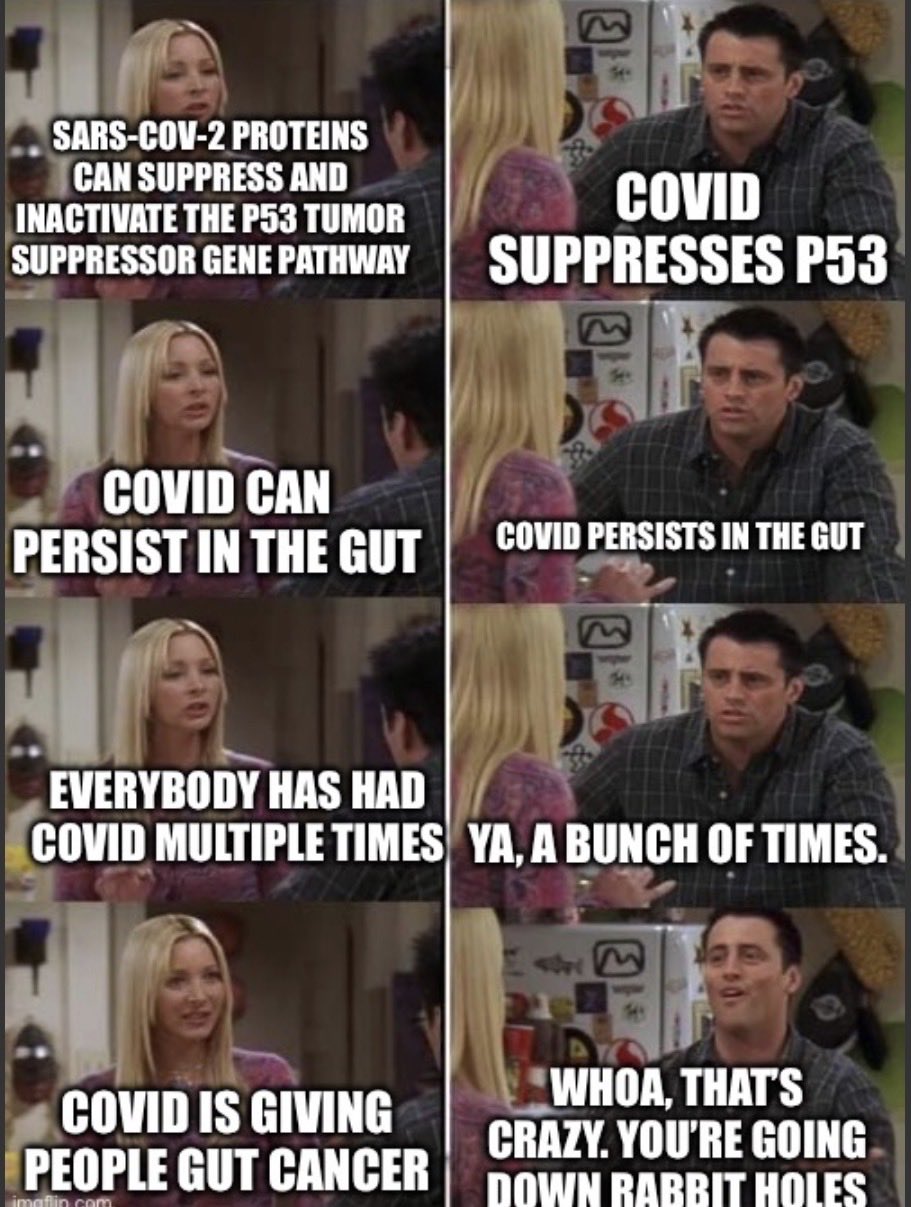
ALT Joey meme A:SARS-COV-2 PROTEINS CAN SUPPRESS AND INACTIVATE THE P53 TUMOR SUPPRESSOR GENE PATHWAY COVID CAN PERSIST IN THE GUT EVERYBODY HAS HAD COVID MULTIPLE TIMES COVID IS GIVING PEOPLE GUT CANCER main Asn COVID SUPPRESSES P53 COVID PERSISTS IN THE GUT YA, A BUNCH OF TIMES. WHOA, THAT'S CRAZY. YOU'RE GOING DOWN RARRIT HOLES
6
186
869
12,713
Ritvars Eglājs 🇱🇻🌻🇺🇦 retweeted

A much-watch interview with economist @Galepooley, the brilliant co-author Superabundance.
Although global population has nearly tripled since 1960, commodities and resources have gotten 5x more abundant per capita.
We think more people = scarcity. The opposite is true. 1/2
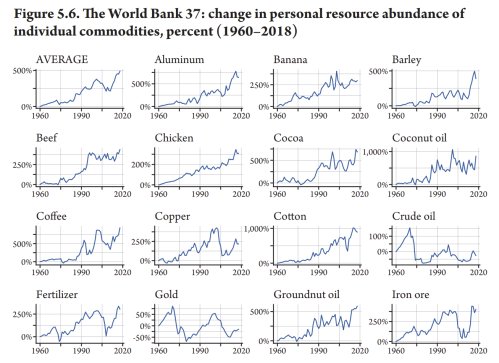

The Overpopulation Myth—Why More People Create More Resources, Not Less: Gale Pooley theepochtimes.com/epochtv/th… via @epochtimes
3
11
66
4,557